Mandatory Slavery Disclosure
California Senate Considers Bill Requiring Corporations to Disclose Historical Ties to Slavery
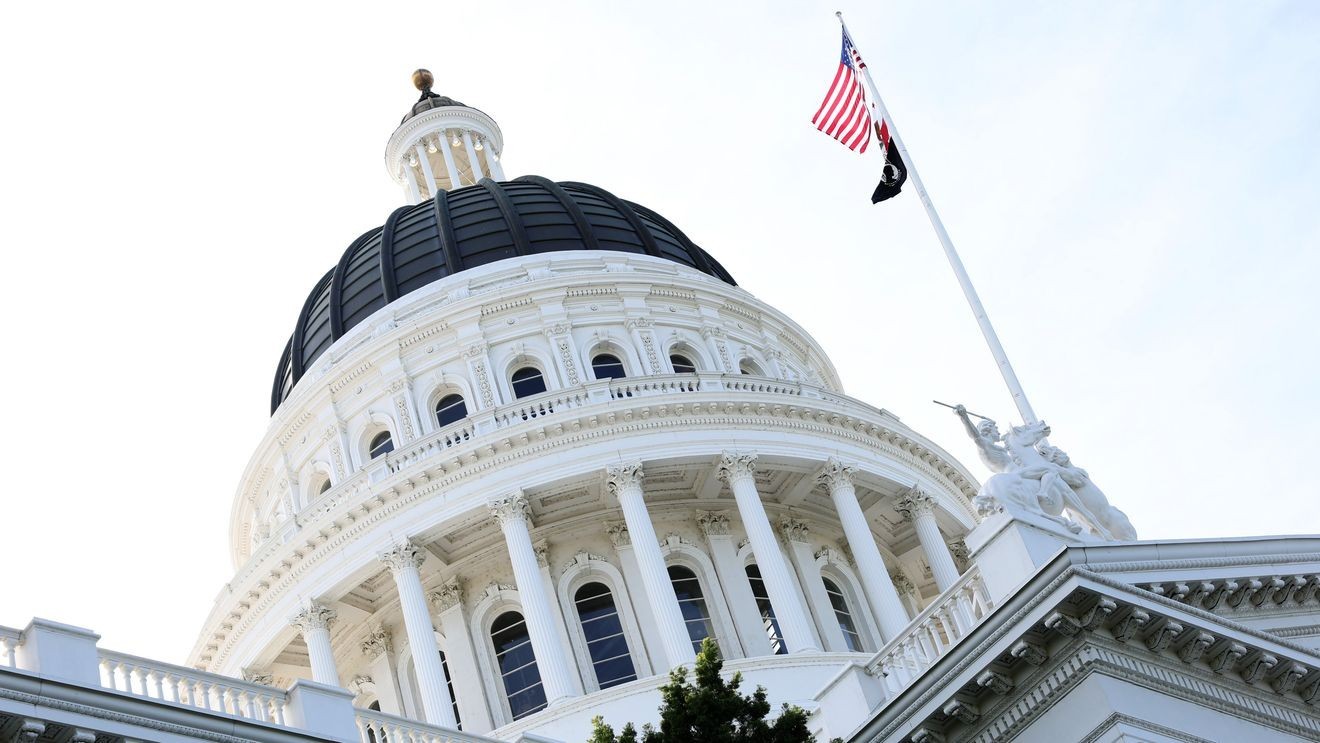
California's state Senate is considering a groundbreaking bill that would require major corporations to disclose their historical ties to slavery. Assemblymember Isaac Bryan introduced Assembly Bill 2599, the Truth in Disclosure Act, which would make California the first state to require corporations with annual worldwide gross receipts over $100 million to review their records and submit affidavits about any prior connections to chattel slavery Local12.
If passed and signed by Governor Gavin Newsom, the bill would also require California's Civil Rights Department to establish a digital platform by 2028 to archive all corporate disclosures. The measure reflects growing efforts to document corporate complicity in America's slavery system and create a foundation for potential reparations discussions IdahoNews.
What the Bill Actually Requires from Corporations
The Truth in Disclosure Act targets only large corporations. Companies must have annual worldwide gross receipts exceeding $100 million to be covered. They would be required to examine their historical records going back decades NewsChannel9. If they discover any financial or operational ties to slavery, they must file sworn affidavits detailing those connections with California state officials.
This disclosure requirement is unprecedented at the state level. No other state has passed such a law. The bill aims to create a comprehensive historical record rather than assign legal liability WACH. It represents a shift toward corporate transparency about America's painful economic history.
The Digital Archive and Long-Term Impact
California's Civil Rights Department would build and maintain a searchable digital platform containing all corporate slavery disclosures. The deadline for launching this archive is 2028. It would serve as a permanent public record of which companies benefited from slavery MyFox28Columbus.
Supporters believe the archive will inform future reparations conversations and hold corporations accountable. It could also pressure companies to invest in communities harmed by slavery. The platform would be open to researchers, historians, and the general public WLOS.
Political Obstacles and Broader Reparations Efforts
The bill faces strong political and budgetary headwinds. Some lawmakers worry about regulatory burdens on businesses. Others question whether disclosure alone addresses the injustices of slavery KomoNews. The measure comes as the California Legislative Black Caucus pushes for other reparations-related protections.
Lawmakers including Tina McKinnor have proposed shielding future reparations payments from state income taxes. These companion efforts aim to create a comprehensive reparations framework. However, they face opposition rooted in fiscal concerns and political disagreement about the state's obligations News3LV.
Why California is Leading on Corporate Slavery Disclosure
California has positioned itself as a national leader on reparations policy. The state passed legislation in 2023 establishing a reparations task force. Assembly Bill 2599 builds on that momentum by moving from study to action WUTV29. It signals growing recognition that corporations profited from slavery and bear responsibility for that history.
Other states may watch California's approach closely. If the bill passes, it could inspire similar disclosure laws elsewhere. The measure reflects changing attitudes toward corporate accountability and historical reckoning KMPH.
Sentiment
NeutralPublishers
15
Articles
14
Reach
15


