China Property Slump Deepens Unevenly
China's New Home Prices Continue Uneven Decline in June, Shanghai Shows Resilience
Anonymous
Key Points
1
City-level divergence is sharper than the summary indicates: Shanghai posted a 3.1% year‑on‑year rise in June new-home prices, while Beijing (-2.1%), Guangzhou (-2.6%) and Shenzhen (-3.6%) all posted year‑on‑year declines.
2
Shanghai stands out within the first‑tier group, with June new-home prices up 3.7% year‑on‑year and 0.3% month‑on‑month, even as second‑hand prices in the city slipped 0.7% MoM and 5.6% YoY.
3
Policy‑landscape and outlook: a Reuters poll cited by analysts suggests the housing downturn could deepen, with nearly 5% price declines in 2026 and little improvement in 2027, signaling a slow, uneven recovery.
4
Resale market weakness remains broad-based: resale prices across 100 cities fell 0.42% month‑on‑month in June, with first‑tier cities seeing a 6.95% year‑on‑year decline and second‑tier cities an 8.21% YoY drop.
5
Real estate’s outsized role in the economy persists as a drag: estimates still place the real estate sector and related industries at roughly 30% of GDP, underscoring why policymakers target demand support despite fragmented improvements.
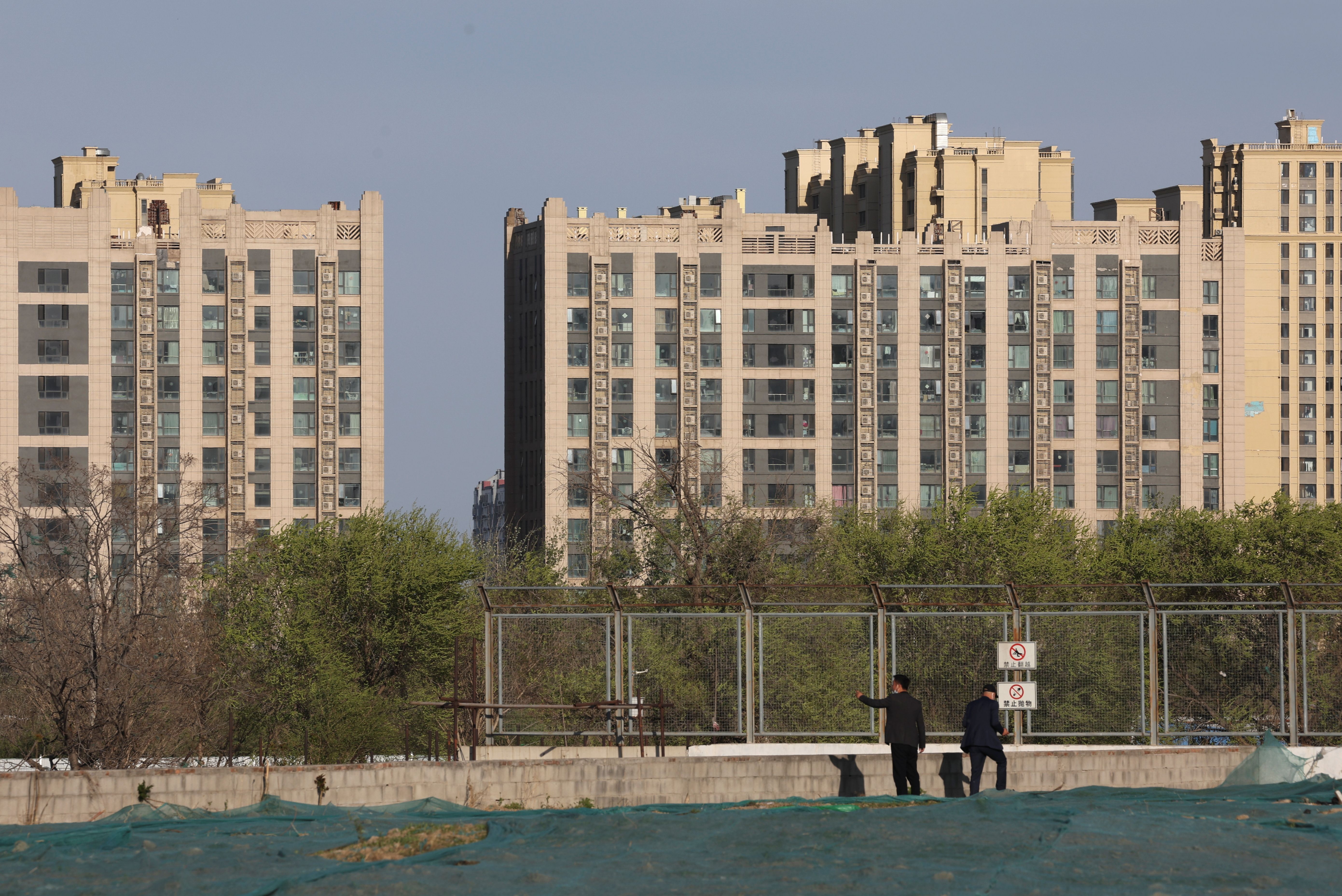
China's new home prices fell 3.3% year-on-year in June, marking a fourth straight year of annual declines, according to National Bureau of Statistics data. Month-on-month, prices slipped 0.1% — a slightly slower drop than the 0.2% decline in May, offering a faint sign of stabilization.
But the slowdown is uneven. Investing Live reports this was the 35th consecutive month of falling home values nationwide, and the resale market remains deeply troubled. A broad recovery looks far off.
Shanghai Rises While Beijing and Shenzhen Keep Falling
China's top cities are moving in very different directions. Shanghai stands out as the one bright spot, with new-home prices up 3.7% year-on-year and 0.3% month-on-month in June. That makes it an outlier in a market where most cities are still sliding.
The other three first-tier cities tell a different story. Beijing fell 2.1% year-on-year. Guangzhou dropped 2.6%. Shenzhen slid 3.6%, according to Market Screener. Even within China's wealthiest urban markets, the gap between winners and losers is growing sharper.
Resale Homes Are Getting Hit Even Harder
While new-home prices show a modest slowdown in declines, the resale market is much weaker. Across 100 cities, resale prices fell 0.42% month-on-month in June. On a yearly basis, first-tier cities saw resale prices drop 6.95%, and second-tier cities fell 8.21%, according to Freedom 96.9.
Even Shanghai, which leads in new-home prices, is not immune. Second-hand home prices in the city slipped 0.7% month-on-month and 5.6% year-on-year. That gap between new and resale prices signals weak buyer confidence and a market still flooded with supply.
Recovery Outlook Stays Gloomy Despite Slower Declines
Analysts are not calling a bottom yet. A Reuters poll cited by Fresno Bee suggests home prices could fall nearly 5% in 2026, with little improvement expected in 2027. Weak demand and high unsold inventory continue to weigh on the market.
Policymakers have introduced targeted support measures. But with real estate and related industries accounting for roughly 30% of GDP, the sector's drag on the broader economy remains significant. Consumer sentiment stays fragile, and housing investment has not recovered meaningfully.
What the Numbers Mean for China's Broader Economy
China's housing slump is now in its fourth year. The property sector is not just a real estate problem — it touches construction, steel, furniture, and local government finances. A prolonged downturn at this scale slows the entire economy.
Private surveys cited by Crypto Briefing show new home prices actually rose 0.16% month-on-month in June, slightly better than official figures. But that small discrepancy aside, most data points to the same conclusion: stabilization is happening in isolated pockets, not across the board. A broad turnaround remains distant.
Sentiment
Mostly NegativeNEGATIVENEUTRALPOSITIVE
Publishers
14
Articles
203
Reach
217
Topics
A
AnonymousAuthor


