Iran Train Disruption
Iran suspends main train link to Mashhad after alleged US-Israeli attack ahead of Khamenei burial
Anonymous
Key Points
1
Backdrop: The Tehran–Mashhad disruption occurs within a broader pattern of US-Israeli actions against Iran, including strikes on February 28, a June memorandum of understanding for an immediate ceasefire across fronts, and a renewed round of strikes on July 8.
2
Damage was reported to affect a specific section of the Tehran–Mashhad railway, with repair crews dispatched and road transport arranged to bypass the damaged section, while authorities aim to restore service in the shortest possible time.
3
Iranian state media quoted the railway operator as describing the incident as a 'criminal attack by the US-Israeli enemy' and said repair teams had been deployed to fix the damage.
4
Times of Israel reports that Israel has not participated in the recent US strikes on Iran, a detail noted in coverage of the disruption.
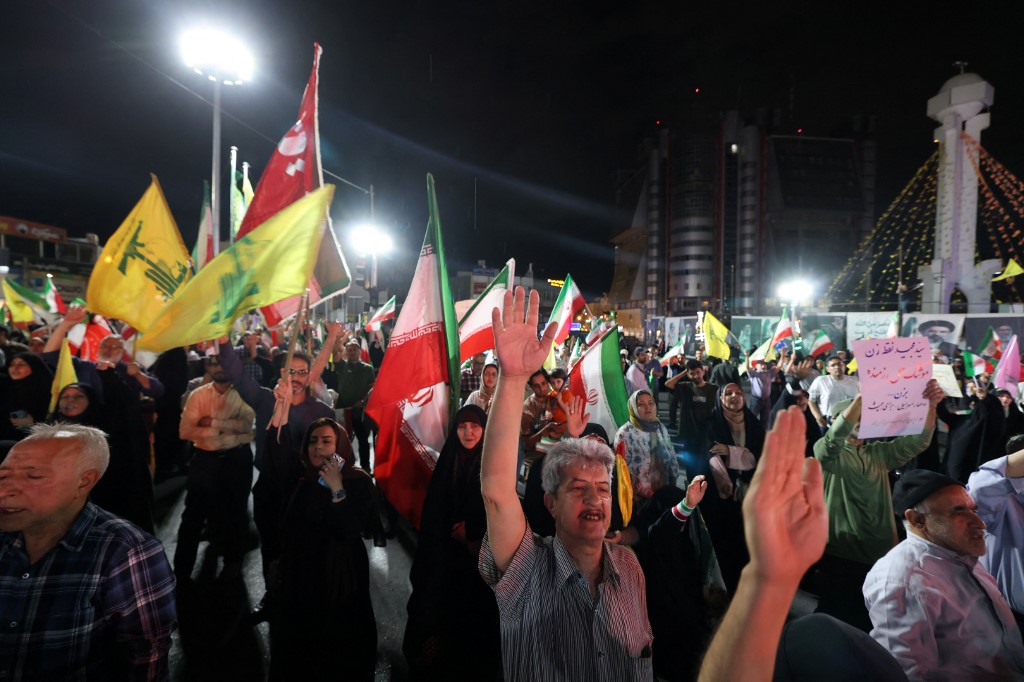
Iran has suspended all train service between Tehran and Mashhad after a US strike damaged the railway line, according to Middle East Eye. The disruption comes just hours before the scheduled burial of Supreme Leader Ali Khamenei in Mashhad on July 9.
The Islamic Republic of Iran Railways called it a 'criminal attack by the US-Israeli enemy,' Times of Israel reported. Repair crews have been sent to the damaged section, and road transport is being arranged for stranded passengers.
Strike Hits Rail Line Hours Before Khamenei Burial
The overnight US strike on July 8 hit a section of the Tehran–Mashhad railway, knocking out one of Iran's busiest train corridors, according to Caspian Post. Mashhad, a holy city in northeastern Iran, was set to host Khamenei's burial on July 9, drawing enormous crowds.
Iranian authorities moved quickly to set up road transport to carry passengers around the damaged section. The railway operator said teams were working to restore service 'in the shortest possible time,' according to Middle East Eye.
Israel Sat Out the Latest Round of US Strikes
Times of Israel noted that Israel did not take part in the July 8 strikes on Iran. That detail separates this round of attacks from earlier joint operations. The US acted alone this time, though Iran's railway operator still blamed a 'US-Israeli enemy' in its statement.
Iran Strikes Back at US Bases Across the Gulf
Iran did not absorb the blow quietly. Iranian military forces launched drones and targeted Patriot missile systems in Kuwait, a satellite antenna in Qatar, and a US military fuel depot in Bahrain, according to L'Orient Le Jour. The strikes mark a sharp escalation in tit-for-tat attacks across the region.
Meanwhile, L'Orient Le Jour also reported that US President Donald Trump claimed Iranians had 'called, wanted to make deal so badly.' That claim came even as both sides traded blows, signaling that back-channel pressure may still be running alongside the military conflict.
A Conflict That Has Been Building Since February
The Tehran–Mashhad disruption did not happen in a vacuum. The current conflict traces back to US-Israeli strikes on February 28, which killed Supreme Leader Khamenei. A ceasefire memorandum was reached in June, but fresh strikes resumed on July 8, according to Caspian Post.
The railway attack adds a new dimension to the conflict — targeting civilian infrastructure during a period of national mourning. With Khamenei's burial drawing pilgrims and officials to Mashhad, the timing of the strike on the main rail link has drawn sharp condemnation from Iranian officials.
Sentiment
Mostly NegativeNEGATIVENEUTRALPOSITIVE
Publishers
23
Articles
27
Reach
50
A
AnonymousAuthor


