Kharkiv Strikes Hit Infrastructure
Russian Drone Strikes Kill One and Damage Railway and Historic Stud Farm in Kharkiv
Anonymous
Key Points
1
Ukraine’s prosecutor’s office said Lozova was attacked by five drones believed to be of the Geran type. The three injured civilians included two women with acute stress reactions and a 62-year-old man who sustained physical injuries.
2
The attack began at about 3 a.m.; one fire consumed roughly 200 square metres of an apartment-building roof. The State Emergency Service said Russian shelling caused eight fires across Kharkiv region that day, including at warehouses, outbuildings, a farm and cars.
3
The Lozova Stud Farm, founded in 1936, is Ukraine’s only state-owned stud farm breeding several pedigree types, including Ukrainian Riding, Orlov Trotter and Novo-Oleksandrivka Heavy Draft horses. It has also been working to preserve the Novo-Oleksandrivka breed after the occupation of the breed’s original farm in Luhansk region.
4
Farm director Ihor Dubovyk said the September 14 strike hit a warehouse holding more than 300 tonnes of oats, while the herd panicked and bolted after the explosion before handlers brought the horses back and calmed them. The farm had not previously been attacked since the full-scale invasion, although drone wreckage had been found in nearby fields.
5
The farm has developed a relocation plan if the security situation worsens; Ukraine previously moved the Zaporizhzhia and Dnipropetrovsk stud farms to safer locations.
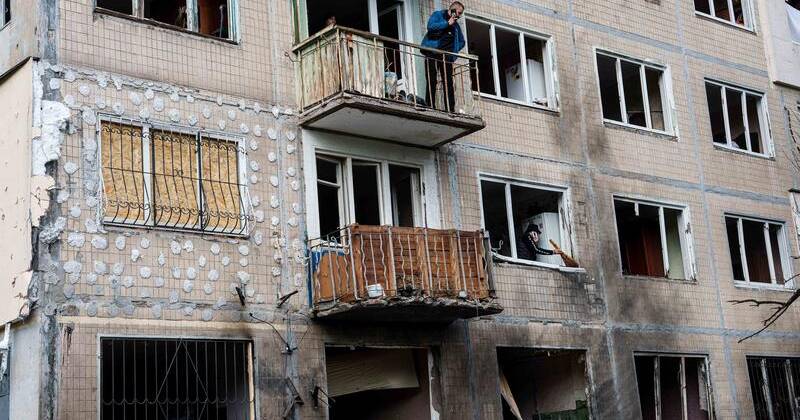
Russian drone strikes hit Lozova in Ukraine's Kharkiv region on September 21, killing one woman and injuring three civilians. Ukraine's Prosecutor's Office said five Geran-type drones attacked the city around 3 a.m., damaging the railway station, residential buildings, and other infrastructure. Passengers and railway workers sheltered safely during the assault.
The same week, Russian strikes also struck the Lozova Stud Farm twice, destroying over 300 tonnes of oats, hay, and grain needed to feed more than 200 horses through winter. No animals were injured in either attack, but farm officials estimate damage in the millions of hryvnias and have prepared an evacuation plan if security worsens.
Drone Attack Damages Railway Station and Kills Civilian
The early morning strike on September 21 caused fires across Lozova's residential areas. One blaze consumed roughly 200 square metres of an apartment-building roof. The State Emergency Service reported eight fires across Kharkiv region that day, including at warehouses, farms, and parked cars.
Three people were injured: two women experienced acute stress reactions, and a 62-year-old man sustained physical injuries. Railway officials said the station would be restored when conditions allow. Passengers and workers had taken shelter safely before impact.
Ukraine's Only State Stud Farm Faces Food Supply Crisis
The Lozova Stud Farm, founded in 1936, breeds rare Ukrainian horse breeds including the Ukrainian Riding, Orlov Trotter, and Novo-Oleksandrivka Heavy Draft. It houses over 200 horses and is Ukraine's sole state-owned stud farm. The farm was also preserving the Novo-Oleksandrivka breed after occupation closed the original breeding farm in Luhansk region.
On September 14, the first strike destroyed a warehouse holding more than 300 tonnes of oats. The explosion panicked the herd, which bolted before handlers calmed and returned them. Farm director Ihor Dubovyk said the facility had never been attacked since Russia's full-scale invasion began, though drone wreckage had appeared in nearby fields.
Farm Prepares Evacuation if Violence Intensifies
Officials estimate the feed destruction at millions of hryvnias — money needed to sustain the horses through winter. A second strike occurred later that week, compounding the crisis. Farm leadership has developed a relocation plan if security deteriorates further.
Ukraine previously relocated the Zaporizhzhia and Dnipropetrovsk stud farms to safer locations during the war. The Lozova farm now faces the same difficult choice: stay and risk losing Ukraine's breeding heritage, or evacuate and preserve these rare horse breeds for the future.
Sentiment
Mostly NegativeNEGATIVENEUTRALPOSITIVE
Publishers
15
Articles
66
Reach
81
A
AnonymousAuthor


