Banda's Extreme Heat
Banda Experiences Extreme Heatwaves, Straining Residents Amid Frequent Power Outages
Anonymous
Key Points
1
Banda has been recorded as the hottest place on Earth seven times this year, including a 48.2°C reading in May, with most of these extreme days occurring in April.
2
Humidity levels rose with the onset of the monsoon, leaving conditions muggy and uncomfortable even after peak daytime heat.
3
At Banda's vegetable market, 70-year-old Munni Devi and her four sons begin work at around 4 a.m., with outdoor temperatures about 30°C as they unload and sort produce for delivery.
4
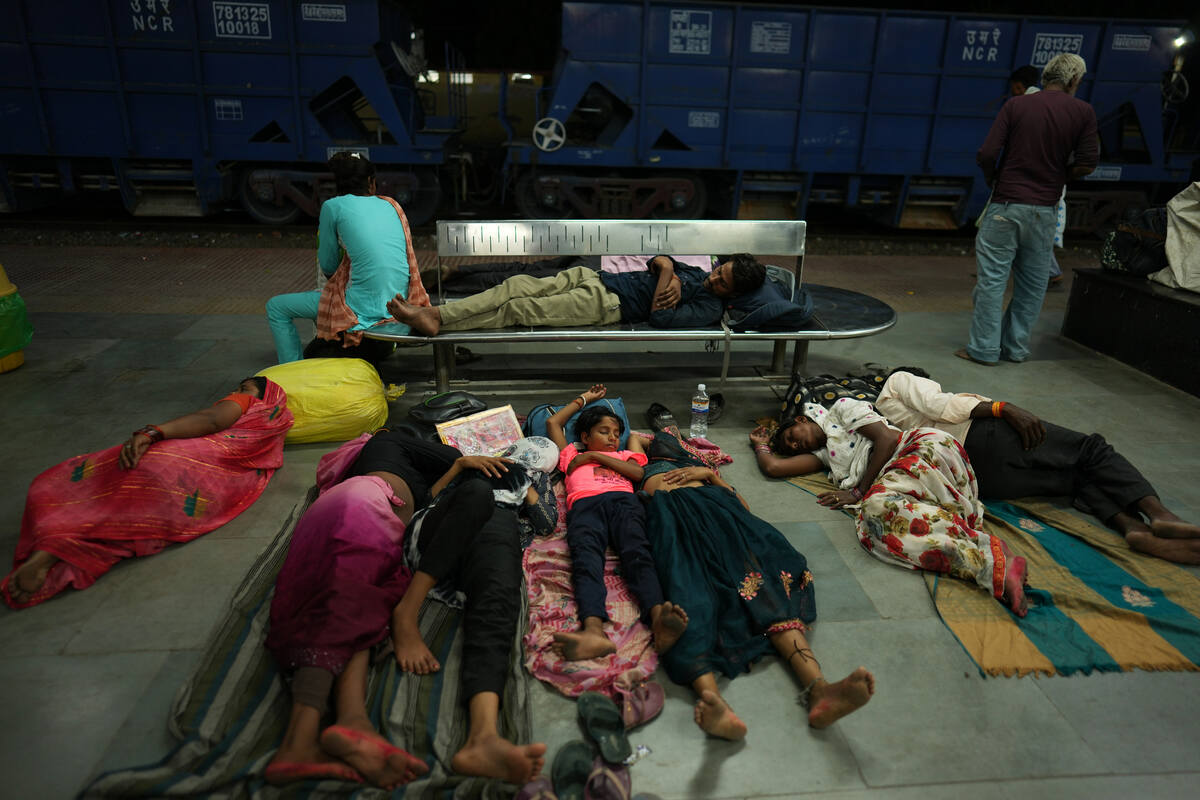
Electricity outages are prolonged enough that many homes cannot use basic cooling like fans for hours, prompting residents to spray themselves with water or sleep outdoors to cope.
Banda, a small town in India's Uttar Pradesh state, has been recorded as the hottest place on Earth seven times this year, according to Kyodo News. In May, temperatures hit 48.2°C — hot enough to cause rapid heat illness. Most of those record-breaking days came in April, with climatologist Maximiliano Herrera tracking each extreme reading.
The heat is not just a number. Residents cope with hours-long power outages, no fans, and rising humidity as the monsoon arrives. In 2023, a heat wave across Uttar Pradesh killed at least 119 people, showing how deadly these conditions can become, according to WTOP.
Banda Tops Global Heat Charts Seven Times This Year
Climate historian Maximiliano Herrera tracks heat extremes worldwide. He confirmed Banda reached 48.2°C in May — one of several times this year the town led all global temperature readings, Chron reported. Most of those record days fell in April, before the monsoon season arrived.
Scientists link the worsening heat to climate change driven by fossil fuels. Global warming is making heat waves across India hotter and more frequent. Banda sits in a flat, dry inland region that traps heat with little relief from wind or water nearby.
Residents Wake at 4 a.m. Just to Survive the Heat
At Banda's vegetable market, 70-year-old Munni Devi starts her day around 4 a.m. Outdoor temperatures are still about 30°C at that hour. She and her four sons unload and sort produce before the brutal midday heat arrives. By mid-morning, working outside becomes nearly impossible.
Spraying water on the body and sleeping outdoors at night are common ways to cope. Many residents have no other choice. Power outages last long enough that fans — a basic form of cooling — stop working for hours at a stretch, Chron reported.
Power Cuts Leave Families With No Way to Cool Down
Electricity outages are a daily reality in Banda. When power goes out, fans and coolers stop working. Homes heat up fast. Families spray themselves with water or move outside to sleep under open sky. For the elderly and the very young, this is especially dangerous.
The combination of extreme heat and no reliable power creates a deadly gap. Air conditioning is out of reach for most residents. Even fans require stable electricity, which Banda does not have. Kyodo News noted that outages compound the physical toll of each hot day.
Monsoon Brings Humidity but Little Relief to the Region
When the monsoon arrived, it did not bring comfort. Humidity levels rose sharply, making the air feel thick and heavy. Even as peak afternoon temperatures dipped slightly, the muggy conditions left residents sweating through the night, Chron reported.
Experts warn conditions like Banda's will grow more common. Rising heat, sticky humidity, and unreliable power form a dangerous mix. In 2023, that mix contributed to at least 119 deaths across Uttar Pradesh in a single heat wave. Climate scientists say the pattern will keep getting worse unless fossil fuel emissions drop significantly.
Sentiment
Mostly NegativeNEGATIVENEUTRALPOSITIVE
Publishers
13
Articles
114
Reach
127
A
AnonymousAuthor