Qatar Attack Impact
Child Injured by Shrapnel in Qatar After Iranian Attack, Ministry Confirms
Anonymous
Key Points
1
Three people were reported injured in the Qatar incident, including a child, according to Gulf News citing the ministry.
2
Ras Laffan LNG production was halted on March 2 due to strikes, with a later attack damaging the Pearl gas-to-liquids facility; QatarEnergy warned repairs could take up to five years, and two damaged trains represent about 17% of Qatar's national production capacity.
3
Oil markets reacted to the disruption with Brent crude May futures up roughly 4.5% to $112.19 per barrel, underscoring energy-export risk from the region.
4
Dawn reports that Al Jazeera covered the interior ministry’s confirmation of the child’s injury, illustrating cross-channel reporting on the incident.
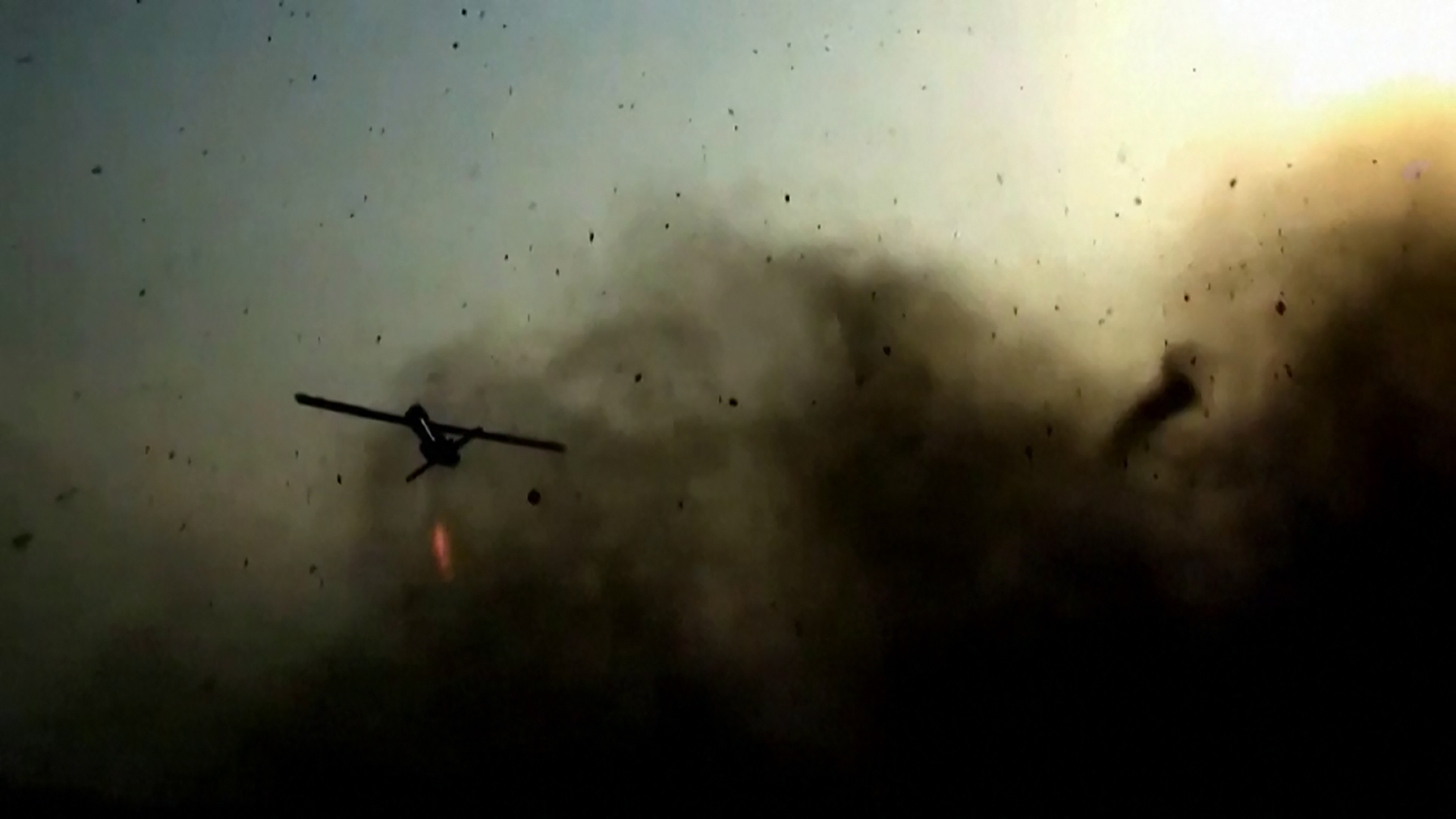
A child has been wounded by falling shrapnel in Qatar after Iranian attacks triggered air-defense interceptions, the country's Ministry of Interior confirmed, according to Middle East Eye and ARN News Centre. The child is receiving medical treatment. Three people in total were injured in the incident, Crypto Briefing reported.
Qatar's security and Civil Defence teams activated emergency response plans as the attack unfolded. Authorities urged the public to rely only on official sources and warned that spreading unverified content could carry legal consequences.
Shrapnel From Interceptions Poses Risk on the Ground
Qatar's air defenses intercepted Iranian missiles, but the debris came down in populated areas. One child was struck by falling shrapnel and is now getting medical care, according to Middle East Eye. The injury shows that even successful interceptions carry danger. Fragments from destroyed missiles can travel far and hit civilians below.
The Ministry of Interior confirmed the incident and called on residents to stay calm. Officials asked people to share information only through official channels. Spreading rumors or unverified content, the ministry warned, could lead to legal accountability, according to Dubai Eye.
Iran's Strikes Hit Qatar's Critical Energy Infrastructure
The attacks have already caused major damage to Qatar's energy sector. Ras Laffan, one of the world's largest LNG facilities, halted production on March 2 after strikes hit the complex. A later attack damaged the Pearl gas-to-liquids facility. QatarEnergy warned that repairs could take up to five years.
The two damaged production trains represent about 17% of Qatar's total national output capacity, according to Crypto Briefing. Qatar is one of the world's top LNG exporters. Losing that share of output for years would have serious ripple effects on global energy markets.
Oil Prices Jump as Gulf Energy Risk Climbs
Energy markets reacted quickly to the disruption. Brent crude May futures rose roughly 4.5% to $112.19 per barrel as news of the strikes spread, according to Crypto Briefing. Traders priced in the risk of further attacks on Gulf export infrastructure. The region supplies a large share of the world's oil and natural gas.
Analysts say the situation shifts how investors view Qatar's air-defense success. Intercepting missiles sounds like a win, but debris still reaches the ground. That reality adds a new layer of risk for energy facilities and civilians alike.
Authorities Urge Calm as Cross-Channel Reporting Spreads
The incident drew wide media coverage across the region. Al Jazeera broadcast the interior ministry's confirmation of the child's injury, with ARN News Centre and other outlets corroborating the same details. The cross-channel reporting highlighted the speed at which information — and misinformation — can spread during an active conflict.
Qatar's government pushed back firmly against rumors. The ministry stressed that only official sources should be trusted during active security operations. Residents were told to follow Civil Defence guidance and stay alert to updates from verified government channels.
Sentiment
Mostly NegativeNEGATIVENEUTRALPOSITIVE
Publishers
16
Articles
10
Reach
26
A
AnonymousAuthor


