Ukraine Command Change
Ukraine's Zelensky Dismisses Syrskyi, Appoints Drapaty Amid Protests Over Military Reforms
Anonymous
Key Points
1
Protest organizers in Kyiv and other cities issued two clear demands: reinstating Defence Minister Mykhailo Fedorov and removing Syrskyi as commander-in-chief.
2
Syrskyi’s background includes being born in Novinki, Vladimir Oblast, in 1965, and studying at the Moscow Higher Military Command School, with service in the Soviet Artillery Corps after graduation.
3
Fedorov has been widely praised for energising the defense ministry, transforming the armed forces, and leading a drive against corruption.
4
Zelensky publicly announced that Mykhailo Drapaty would be the new Commander-in-Chief, saying 'I have decided that the new Commander-in-Chief of the Armed Forces of Ukraine will be Mykhailo Drapaty' and thanking Syrskyi.
5
Global Research notes that British media reported Zelensky may be preparing to reshuffle inner circles amid mounting political pressure, with Zaluzhny described as ambassador to the UK.
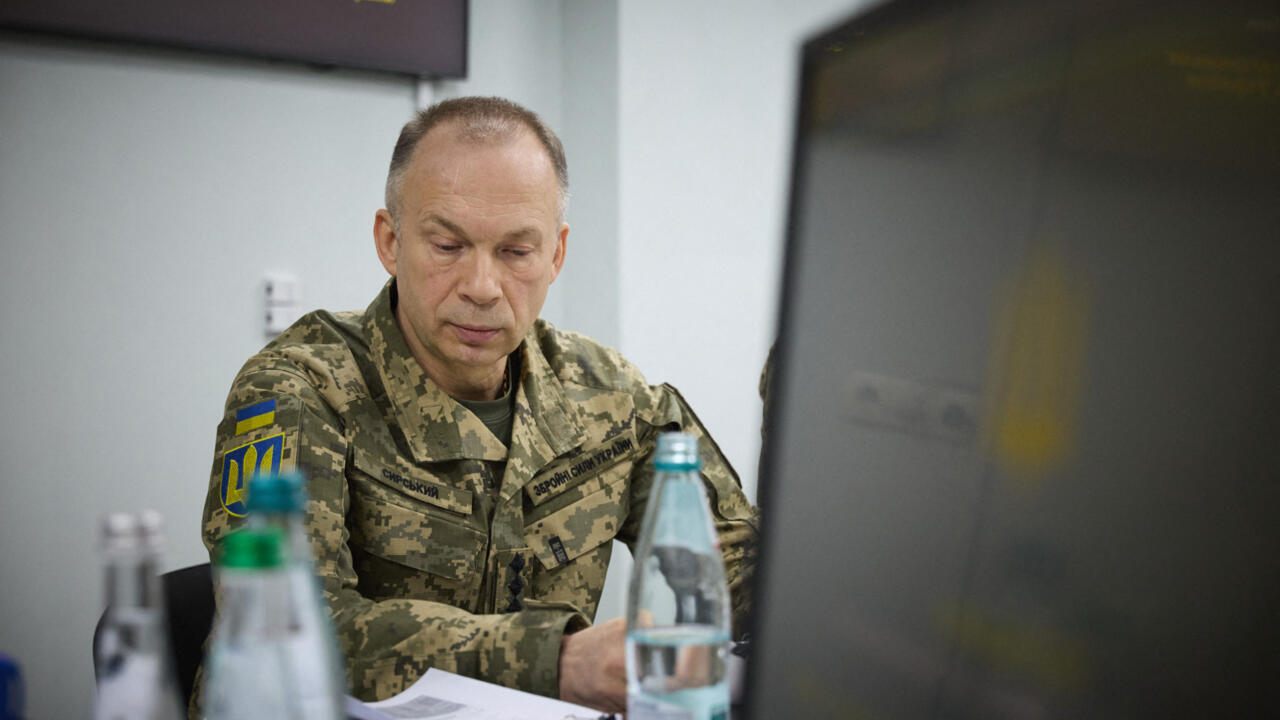
Ukrainian President Volodymyr Zelensky has fired army commander-in-chief Oleksandr Syrskyi and named joint forces commander Mykhailo Drapaty as his replacement, according to France 24 and Newsmax. The move follows days of mass protests in Kyiv and other cities demanding Syrskyi's removal.
Zelensky made the announcement directly, saying: 'I have decided that the new Commander-in-Chief of the Armed Forces of Ukraine will be Mykhailo Drapaty.' He also thanked Syrskyi for his service. The shake-up is the latest in a string of high-level personnel changes rattling Ukraine's military leadership.
Protests Forced Zelensky's Hand on Military Command
Demonstrators in Kyiv and across Ukraine had two clear demands: bring back Defense Minister Mykhailo Fedorov and fire Syrskyi. WTOP reported that Zelensky moved quickly after the protests grew in size and intensity. The public anger was enough to push Ukraine's president into action at the top of the military chain of command.
Fedorov had been widely praised for shaking up the defense ministry and leading a push against corruption. His removal had already sparked outrage. Protesters saw Fedorov's departure as a step backward on reform — and Syrskyi's continued leadership as a threat to that progress.
Who Is Syrskyi — and Why Did So Many Want Him Gone
Syrskyi was born in Novinki, in Russia's Vladimir Oblast, in 1965. He studied at the Moscow Higher Military Command School and served in the Soviet Artillery Corps. Critics said his background shaped a leadership style that was centralized and rigid — more Soviet than modern.
Many veterans, lawmakers, and protesters accused Syrskyi of micromanagement and resistance to reform. His approach clashed directly with the changes Fedorov had championed. For many Ukrainians, keeping Syrskyi in command meant slowing down the transformation of their armed forces at exactly the wrong time.
Drapaty Steps In as Ukraine Bets on Fresh Leadership
Mykhailo Drapaty comes from the role of joint forces commander. Zelensky chose him to signal a break from the old style of command. France 24 reported that Zelensky offered formal thanks to Syrskyi even as he announced the replacement, keeping the transition outwardly calm.
The appointment is seen as Zelensky's attempt to satisfy protesters while keeping military operations stable. Analysts note the move shows serious internal pressure at the highest levels of Ukraine's government. Whether Drapaty can rebuild trust with both the public and the troops remains the key question.
A Pattern of Reshuffles Raises Questions About Stability
This is not an isolated change. Zelensky has made a series of top-level personnel moves in recent months. Former commander Valery Zaluzhny is now serving as Ukraine's ambassador to the United Kingdom, according to Newsmax. Each reshuffle has drawn fresh scrutiny from allies and observers watching Ukraine's war effort.
Critics warn that repeated leadership changes — even necessary ones — can disrupt military planning and signal instability to both allies and adversaries. Supporters argue Zelensky is doing what is needed to keep reform alive and respond to legitimate public pressure. The outcome of Drapaty's appointment will shape that debate for months to come.
Sentiment
Mostly NegativeNEGATIVENEUTRALPOSITIVE
Publishers
12
Articles
38
Reach
50
A
AnonymousAuthor


