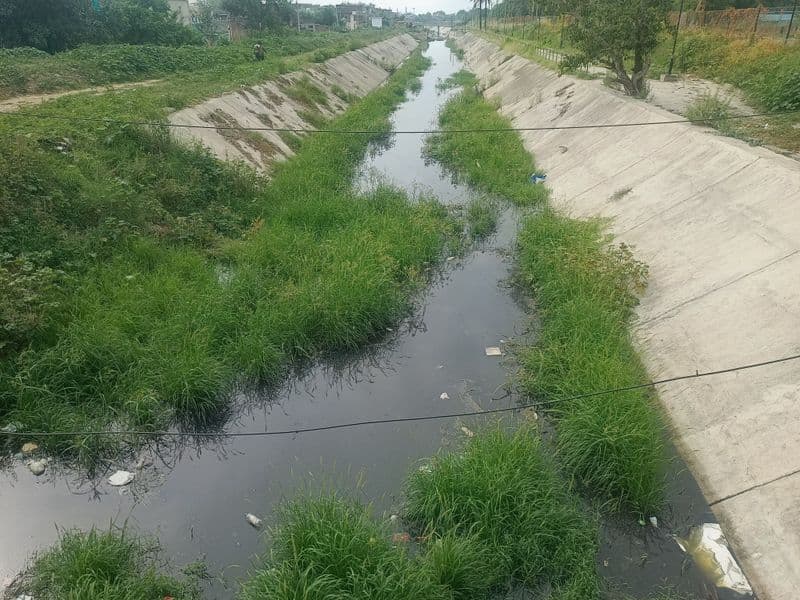
Simultaneous Health Crises in Bangladesh
Bangladesh Faces Public Health Crisis as Combined Measles and Dengue Toll Reaches 1,193
Anonymous
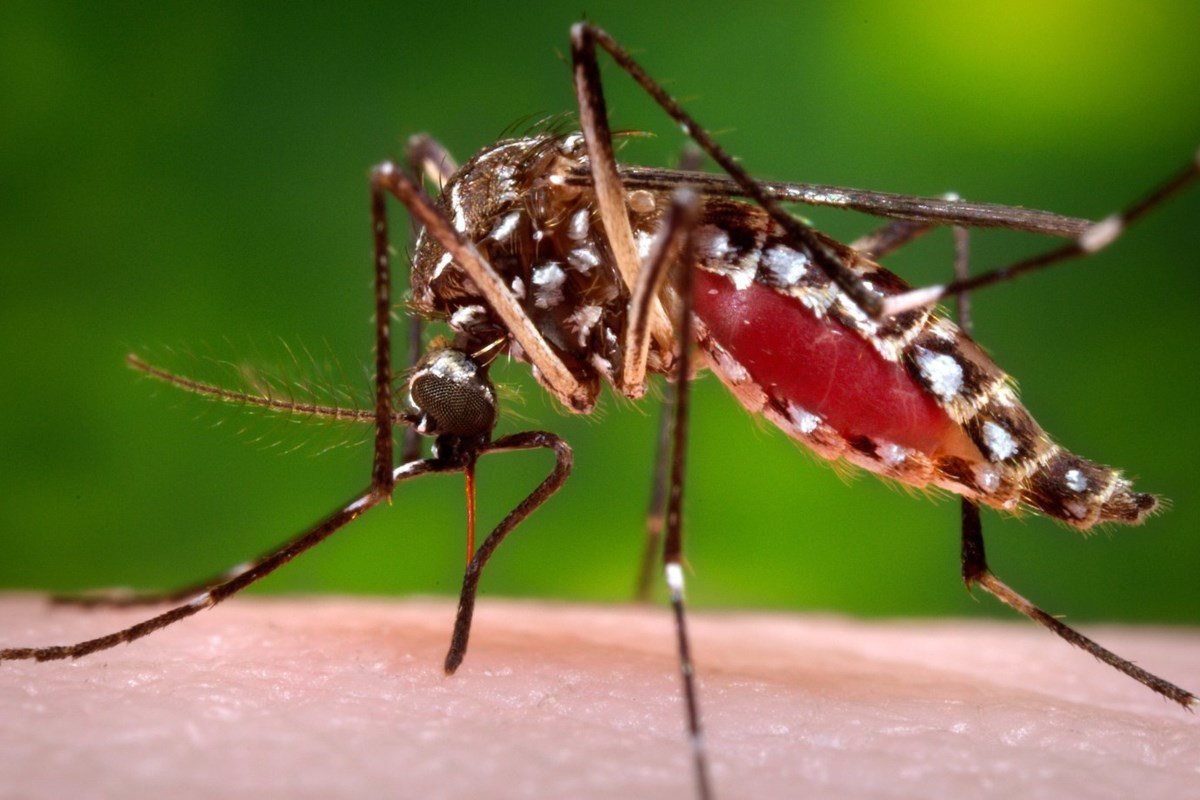
Key Points
1
Since March 15, 153,279 patients with suspected measles have been hospitalized nationwide, and 147,386 have recovered, according to DGHS data.
2
The latest dengue fatalities included six women and two men; two of those who died were children aged between six and 10, while another was aged between 16 and 20.
3
Dengue deaths increased from two each in January and February and none in March or April to 13 in June, 36 in July, 43 in August and 60 in September so far; the highest single-day death toll was nine on September 8.
4
Women account for 52.6% of dengue deaths this year, compared with 47.4% for men, according to DGHS statistics.
5
Of the 1,561 dengue patients admitted during an earlier 24-hour reporting period, Dhaka Division accounted for 627 admissions, followed by Khulna with 275, Barishal with 202 and Chattogram with 181; 1,394 patients were discharged during the same period.
Bangladesh faces a devastating dual epidemic as measles and dengue deaths surge past 1,193, overwhelming hospitals across the country DGHS. The measles outbreak has claimed 1,036 combined confirmed and suspected deaths, including 100 confirmed fatalities, with more than 173,000 suspected cases. Dengue deaths have reached 157 this year, marking a sharp acceleration from just two deaths each in January and February DGHS.
The crisis stems from vaccine shortages triggered by health sector restructuring in March 2025 and a lack of immunization campaigns since 2020, leaving millions of children unprotected ReliefWeb. The WHO rated Bangladesh's health risk as HIGH in April 2026, warning of accelerating measles transmission WHO.
Measles Deaths Peak as Immunization Gaps Widen
Measles fatalities have escalated dramatically, with six children dying in the latest 24-hour period alone DGHS. The deadliest single day was May 4, when 17 children died in one 24-hour window. Eight deaths were reported in an earlier period, showing consistent mortality pressure on the hospital system DGHS.
Since March 15, over 153,000 measles patients have been hospitalized nationwide, with 147,386 recovering DGHS. However, 72% of confirmed measles cases had received zero prior vaccination doses, exposing the depth of immunization failure. Children under five account for 81% of measles deaths, making them the outbreak's primary victims ReliefWeb.
Dengue Surge Accelerates Into September Peak
Dengue deaths climbed from zero in March and April to 60 in September alone, with the single deadliest day recording nine deaths on September 8 DGHS. Hospital admissions for dengue jumped to 1,733 in the latest reporting period, with over 53,500 total hospitalizations this year DGHS.
Dhaka Division accounts for the heaviest caseload, with 627 hospital admissions in one 24-hour reporting period, followed by Khulna with 275 and Barishal with 202 DGHS. Women represent 52.6% of dengue deaths despite lower overall admission rates, revealing a disproportionate severity burden on female patients DGHS.
Vaccine Shortages and Administrative Collapse Fueled Crisis
Bangladesh's health sector restructuring in March 2025 dismantled a 27-year-old framework without immediate transition planning, triggering measles-rubella vaccine stockouts ReliefWeb. No supplementary immunization campaigns have occurred since 2020, leaving approximately 20 million children under-immunized or completely unvaccinated ReliefWeb.
The combined burden of concurrent measles and dengue epidemics creates severe triage complications. Measles requires strict isolation due to extreme airborne transmissibility, preventing shared ward space with dengue patients and intensifying capacity pressure ReliefWeb. Hospital case-fatality rates of 3.9–4.7% at sentinel facilities represent an unconscionable outcome for a preventable childhood disease ReliefWeb.
Healthcare System Overwhelmed Across Four Divisions
Major public hospitals in Dhaka, Khulna, Barishal, and Chattogram report extreme overcrowding, with patients overflowing into corridors and floors ReliefWeb. Dhaka's Infectious Diseases Hospital recorded 560 measles admissions in early 2026 compared to just 69 during the entire previous year ReliefWeb.
While the government emphasizes recovery rates—over 150,000 patients successfully discharged—critics highlight severe accountability gaps and institutional paralysis following the 2025 restructuring ReliefWeb. International warnings from WHO and UNICEF before the acute overcrowding took hold went unheeded, deepening the preventable nature of this emergency WHO.
Sentiment
Mostly NegativeNEGATIVENEUTRALPOSITIVE
Publishers
43
Articles
102
Reach
145
A
AnonymousAuthor