Data collection erodes privacy
License plate readers and government data collection erode privacy rights, Susan Shelley warns.
Anonymous
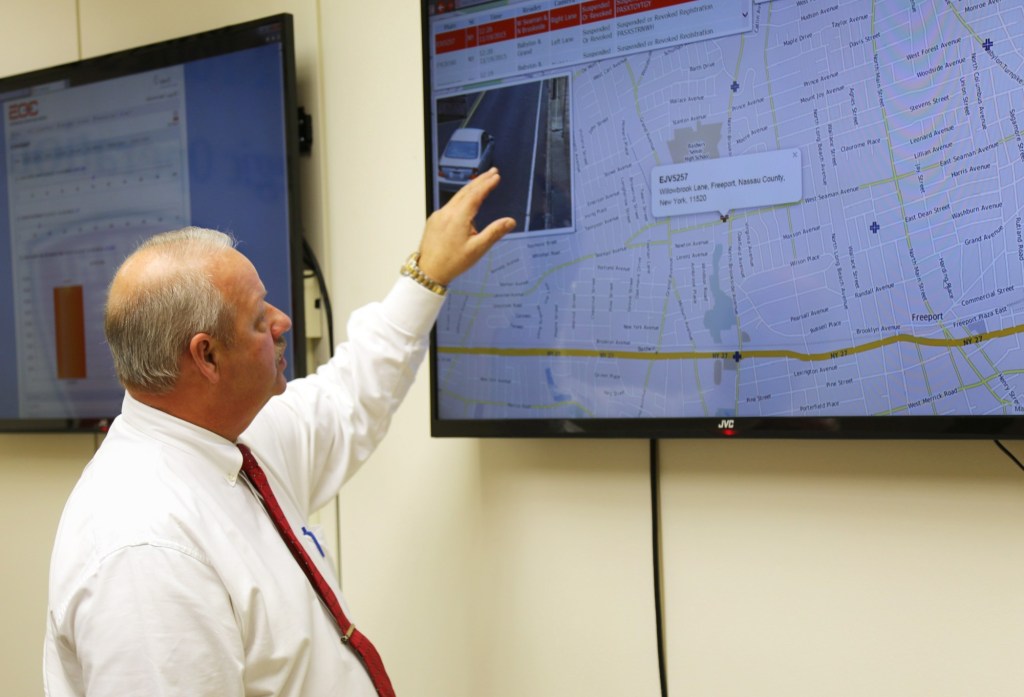
Privacy rights in America are shrinking fast — from your mailbox to your car's license plate to your text messages, according to columnist Susan Shelley. OCRegister and several other Southern California outlets published her warning this week that legal protections Americans assume exist are either weak or already gone.
The column covers three separate fronts: automated license-plate readers that track where you drive, a recent Los Angeles police decision about surveillance cameras, and a bombshell about the Department of Justice reading texts from 44 members of Congress. Daily News reported the same piece across the region, signaling broad concern about the trend.
License Plate Readers Record Every Move You Make
Automated license-plate readers are now legal tools for law enforcement across the country. These cameras photograph your plate, log the time, and record your location — every time you pass one. The data is then stored and can be pulled up later by police. Most drivers have no idea this is happening, Press Telegram noted.
Shelley points out a critical detail: the data collected by these systems is owned by "the customer" — meaning the police department that paid for the system. That makes it very hard for regular citizens to challenge how the information is used or how long it is kept.
LA Drops Flock Safety Contract But Not the Technology
The Los Angeles Board of Police Commissioners recently let its contract with Flock Safety expire. That company had operated 138 license-plate reading cameras around the city under a three-year deal with the LAPD. On the surface, it looks like a step back from surveillance. It is not, according to SB Sun.
The LAPD made clear this is not a rejection of license-plate reader technology. The department still supports using these cameras. The contract expiration was procedural, not a policy change. Los Angeles residents should not expect fewer cameras watching their movements anytime soon.
DOJ Pulled Texts From 44 Sitting Members of Congress
Perhaps the most alarming part of Shelley's column involves Congress itself. Records show the Department of Justice got text messages from 44 members of Congress. These members had been communicating with White House officials. The government read those messages, according to OCRegister.
This is a serious constitutional problem. The Speech or Debate Clause of the Constitution is supposed to protect lawmakers from criminal prosecution for things they say or do as part of their official duties. Grabbing their private texts cuts right through that protection. Shelley argues this is exactly the kind of government overreach the Founders feared.
Mail Privacy Laws Are Weaker Than Most People Think
Federal law does make it illegal to intercept, steal, open, hide, damage, or destroy U.S. mail. That sounds strong. But Shelley argues the broader reality of privacy — across mail, phones, and public movement — is eroding fast. The laws protecting you on paper are not keeping up with the technology being used against you, Daily Breeze reported.
The core message of Shelley's column is simple: Americans are losing privacy in ways they do not see and did not vote for. License plates are tracked. Texts are seized. Congressional communications are read. Each step seems small. Together, they add up to something much bigger.
Sentiment
NeutralNEGATIVENEUTRALPOSITIVE
Publishers
5
Articles
4
Reach
5
A
AnonymousAuthor


