Permanent Navy Secretary Nominated
Trump Nominates Veteran Hung Cao to Permanently Lead the Department of the Navy
Anonymous
Key Points
1
Cao personally led the team that recovered the bodies of John F. Kennedy Jr., Carolyn Bessette, and Lauren Bessette after their 1999 plane crash.
2
The aircraft carrier USS Abraham Lincoln spent about nine months deployed at sea without a port call, a record-long deployment that coincided with concerns about sailors' mental health and shortages of essential supplies.
3
Cao has publicly advocated for returning service members who resisted the Biden-era COVID-19 vaccine mandate.
4
In the private sector, Cao worked as a vice president and client executive focusing on electronic warfare, counter-drone technology and enterprise IT support for defense clients.
5
Cao's nomination follows the sudden departure of acting Navy secretary John Phelan in late April, part of a broader period of leadership turnover at the Pentagon.
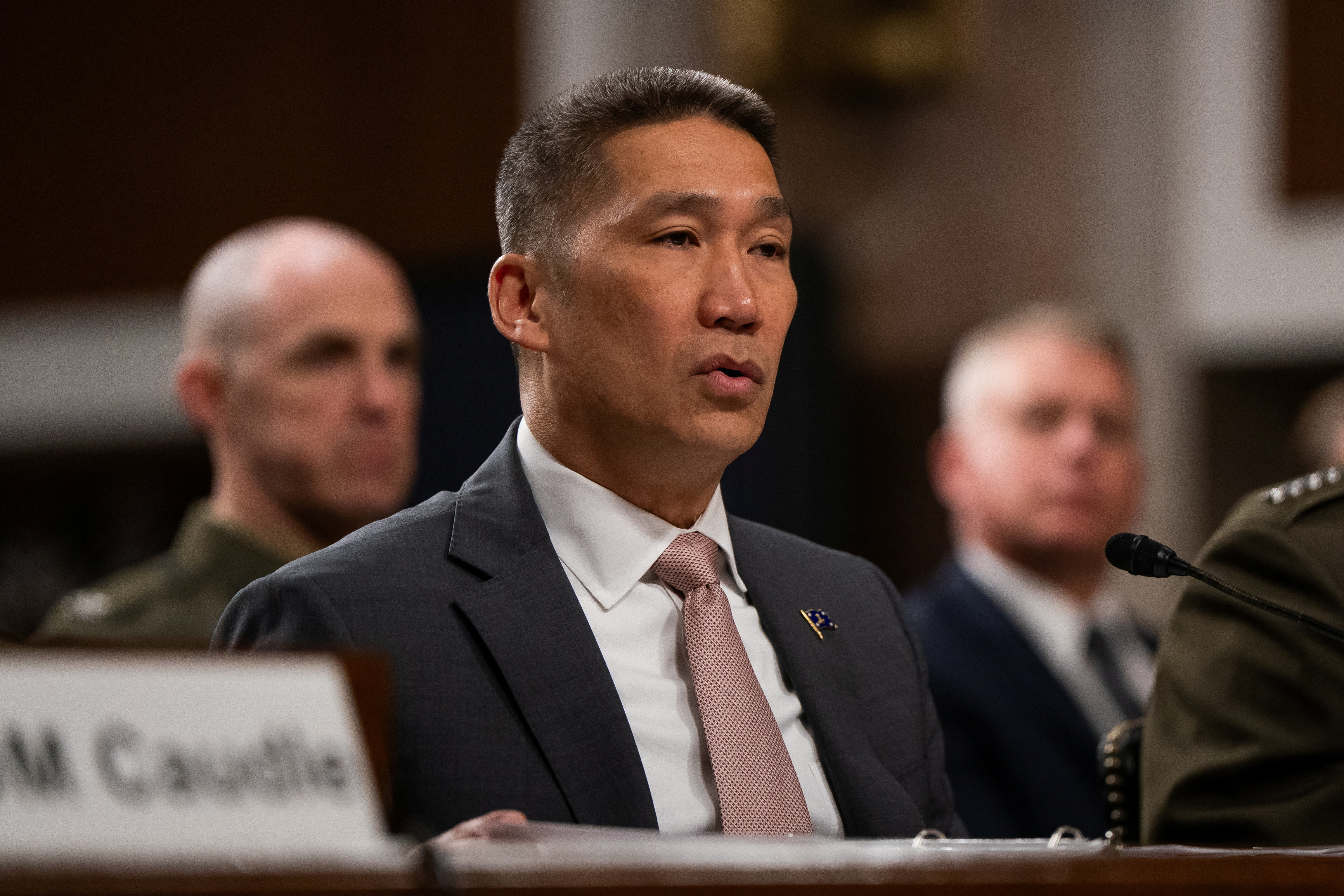
President Donald Trump has nominated Hung Cao, the acting Navy secretary since April, to permanently lead the Department of the Navy Military.com. Cao, a 25-year Navy veteran and special operations expert, would become the first Asian immigrant to lead the service National Interest. Trump called him a "true WARRIOR" and urged swift Senate confirmation as the Navy faces strain from long deployments and personnel challenges.
Who Is Hung Cao and His Navy Background
Cao brings 25 years of Naval service and prior experience as under secretary focused on readiness and shipbuilding MeriTalk. He has deep special operations credentials and spent years in the private defense sector as a vice president handling electronic warfare and counter-drone technology. Cao personally led the recovery team for John F. Kennedy Jr. and his family after their 1999 plane crash.
Before Trump's nomination, Cao ran as a Senate candidate in Virginia Military Times. His confirmation would make him the first Asian immigrant to permanently lead the U.S. Navy, a historic milestone for the service.
The Navy Faces Severe Strain From Long Deployments
The USS Abraham Lincoln recently spent nine months deployed at sea without docking at a port—a record-long stretch. This extended deployment raised serious concerns about sailor mental health and created critical shortages of essential supplies needed to keep the ship running smoothly.
Cao takes the helm as the Navy manages demanding operational commitments tied to Iran-related tensions. The service also confronts broader personnel challenges, including recovery efforts for sailors affected by previous policy changes and leadership gaps from recent Pentagon turnover.
Trump Ally With Biden-Era Resistance Credentials
Cao has publicly advocated for reinstating service members who refused the COVID-19 vaccine mandate during the Biden administration. This stance aligns closely with Trump's stated goals to overturn pandemic-era military policies and reverse discharges tied to vaccine resistance.
His appointment reflects Trump's broader Pentagon overhaul. Cao replaces acting secretary John Phelan, who departed suddenly in late April, part of a wave of leadership changes reshaping the Defense Department MeriTalk.
Senate Confirmation Likely Next Step
Cao's nomination moves to the Senate for confirmation hearings and a vote. His prior Pentagon tenure and close alignment with Trump are expected to streamline the confirmation process, though senators will likely probe his vision for naval readiness and personnel management.
If confirmed, Cao will lead 330,000 active-duty and reserve sailors and Marines. He inherits a service navigating extended deployments, recruitment pressures, and the challenge of maintaining operational readiness during heightened global tensions.
Sentiment
Mostly NegativeNEGATIVENEUTRALPOSITIVE
Publishers
11
Articles
167
Reach
178
A
AnonymousAuthor


