Indigenous Energy Investment
Five First Nations Secure C$1 Billion Investment Option for LNG Canada Expansion Tank
Anonymous
Key Points
1
The five First Nations forming the MNT Investments LP are Kitsumkalum, Kitselas, Haisla, Gitga’at and Gitxaala.
2
MNT Investments LP is equally owned by the participating First Nations' economic development entities, and profits are shared equally.
3
The storage tank would be 225,000 cubic metres in capacity, one of the largest tanks in the world, purchased by the SPV and leased back to LNG Canada for the facility’s life, with LNG Canada operating and maintaining it.
4
Financing for the tank would be via a loan based on long-term contracted revenue from leasing the tank back to LNG Canada, with MNT evaluating financing structures.
5
The expansion contemplates adding two LNG trains, potentially boosting capacity to about 28–30 million tonnes per year, with a final investment decision expected by the end of 2026; the project is led by Shell Canada with partners including Petronas, PetroChina, Mitsubishi Corp and KOGAS.
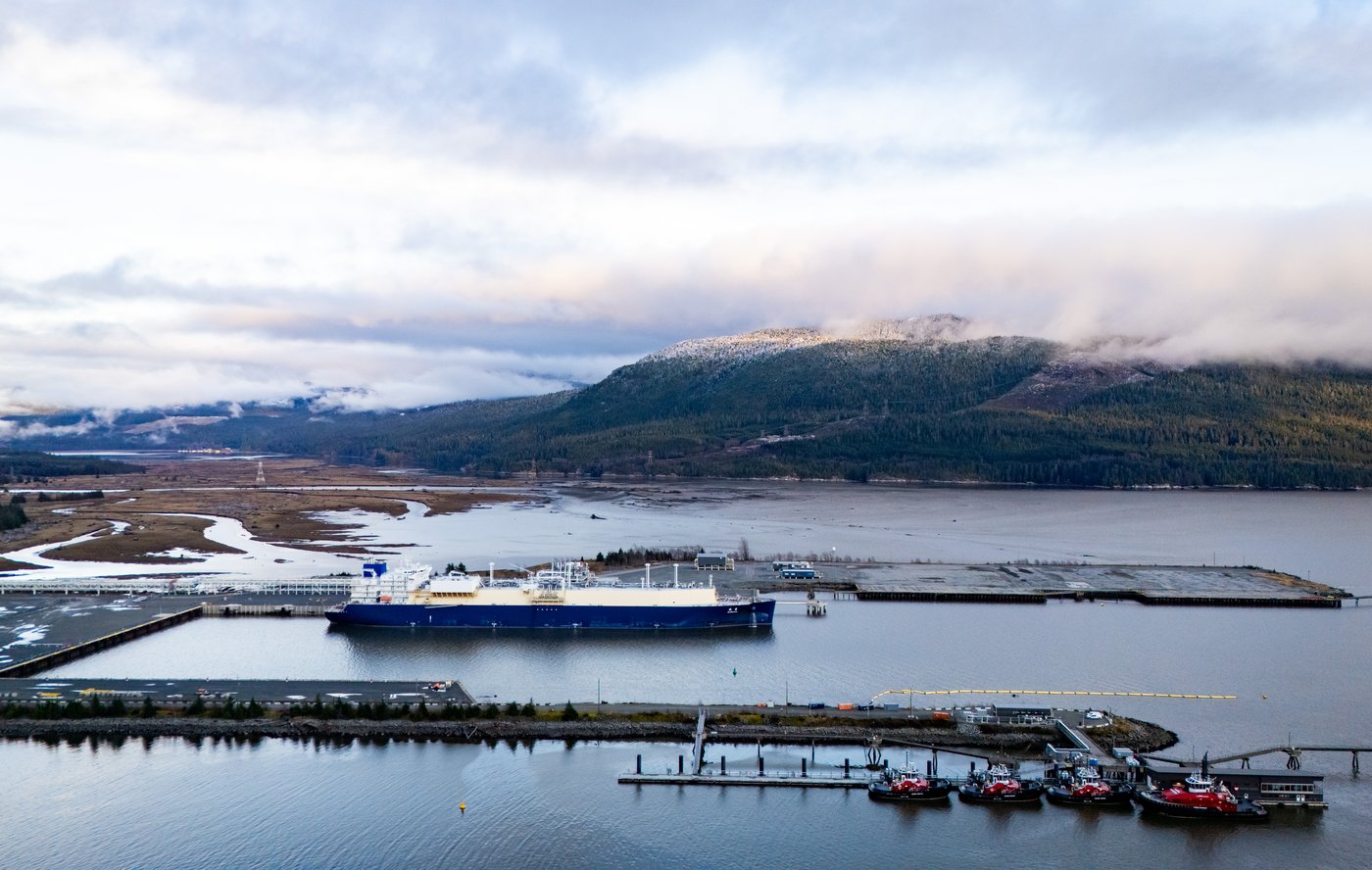
Five northwestern British Columbia First Nations have signed a deal to invest up to C$1 billion in LNG Canada's planned second phase, according to Castanet. The agreement gives MNT Investments LP an option to buy a massive storage tank and lease it back to LNG Canada for the life of the facility.
The deal marks one of the largest Indigenous equity moves in Canadian energy history. It positions the five nations for long-term ownership of a key piece of infrastructure tied to a potential doubling of LNG output on their traditional territories.
Five Nations Join Forces Through MNT Investments LP
The five First Nations behind the deal are Kitsumkalum, Kitselas, Haisla, Gitga'at, and Gitxaala. Each nation's economic development entity holds an equal share in MNT Investments LP, and profits are split equally among them, Castanet reported.
MNT Investments LP would set up a special-purpose entity to purchase the storage tank outright. LNG Canada would then lease the tank back, operating and maintaining it for the full life of the facility. The nations would own the asset and collect lease revenue over that entire period.
A 225,000-Cubic-Metre Tank at the Heart of the Deal
The tank at the centre of the agreement would hold 225,000 cubic metres of liquefied natural gas. That makes it one of the largest LNG storage tanks in the world. It would be a core component of Phase 2, which aims to add two new LNG processing trains to the existing facility near Kitimat, B.C.
If Phase 2 goes ahead, LNG Canada's total export capacity would grow from roughly 14 million tonnes per year to about 28–30 million tonnes per year. MNT is still evaluating its financing options. The loan to buy the tank would be backed by long-term revenue from the lease agreement with LNG Canada, according to Winnipeg Free Press.
Final Investment Decision Expected by End of 2026
LNG Canada has not yet committed to building Phase 2. A final investment decision is expected by the end of 2026, Nanaimo News Now reported. Shell Canada leads the project. Its partners include Petronas, PetroChina, Mitsubishi Corp, and KOGAS.
The option agreement locks in the First Nations' right to invest if and when that decision is made. It gives the nations a seat at the table before the project is approved, not after. That timing is key to securing meaningful ownership rather than a smaller stake negotiated from a weaker position.
Indigenous Equity Deals Reshaping Canadian Energy Projects
This agreement fits a growing pattern across Canada. Indigenous communities are pushing beyond consultation rights to gain direct financial stakes in major energy projects on their lands. Equity ownership means communities share in profits, not just one-time payments or jobs.
For the five First Nations involved, the deal offers a path to long-term, stable income tied to a contracted revenue stream. The lease payments from LNG Canada would flow to MNT for as long as the facility operates. That could span several decades, turning a single infrastructure asset into a generational economic engine.
Sentiment
Mostly PositiveNEGATIVENEUTRALPOSITIVE
Publishers
14
Articles
56
Reach
70
A
AnonymousAuthor