Fentanyl's New Threat
Animal Sedative Medetomidine Infiltrates Minnesota Fentanyl Supply, Complicating Overdose Treatment
Anonymous
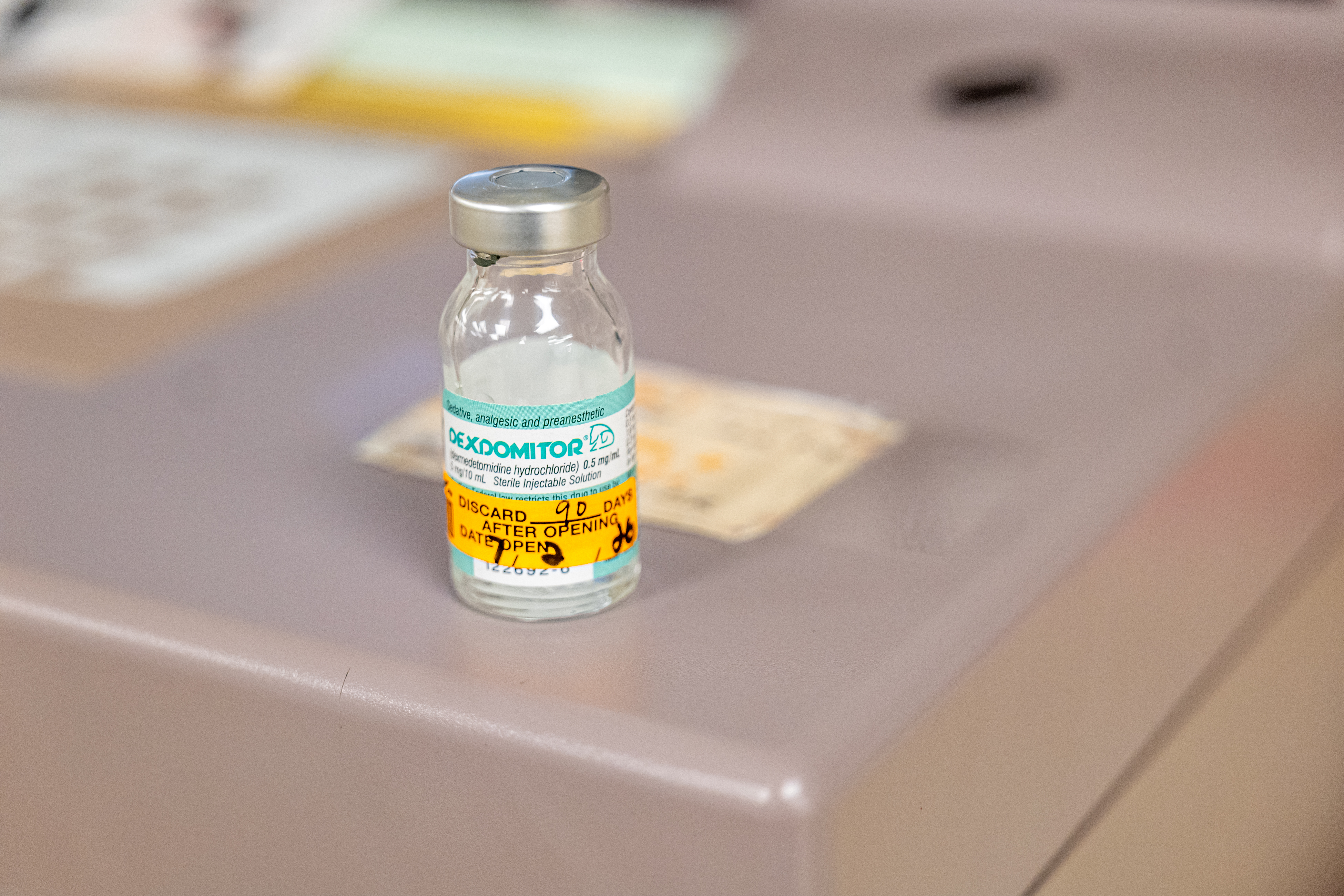
A powerful animal sedative called medetomidine is showing up in Minnesota's illegal fentanyl supply, raising alarms among health officials and drug enforcers, according to San Luis Obispo Tribune. The drug is not approved for human use. It can slow breathing and heart rate to deadly levels and trap users in a prolonged sedative state that naloxone — the standard overdose reversal drug — cannot fully counter.
Federal drug enforcers in Minnesota have seized nearly 250 grams of medetomidine mixed with fentanyl in the past 15 months, News & Observer reported. Experts warn the drug's spread could trigger a new wave of overdose deaths across the U.S. Minnesota's overdose deaths have already risen 3% from their 2024 peak.
What Medetomidine Does to the Human Body
Medetomidine is used by veterinarians to sedate animals. In humans, it causes breathing and heart rate to drop to dangerous levels. It can lock users in a deep sedative state for hours. Unlike fentanyl, it does not respond to naloxone, the drug most first responders carry to reverse overdoses, according to Bellingham Herald.
Withdrawal from medetomidine is severe enough to require hospitalization. That makes it far more dangerous than fentanyl alone. Users may not even know they are taking it, since drug dealers often mix it into fentanyl without any warning. This makes every dose a potential blind risk.
250 Grams Seized as Minnesota Braces for Spread
Federal agents have seized close to 250 grams of medetomidine mixed with fentanyl in Minnesota over the last 15 months, according to Island Packet. That is enough to raise serious concern, though experts say the drug is not yet as widespread in Minnesota as it is in other parts of the country. Cities like Philadelphia have already seen large clusters of medetomidine-linked overdoses.
Local, state, and federal officials have all issued warnings about the drug's growing presence, Tri-City Herald reported. The concern is that Minnesota could follow the same pattern seen elsewhere — a slow creep, then a sudden surge. Health workers are being trained to recognize the signs of medetomidine exposure.
Overdose Deaths in Minnesota Already on the Rise
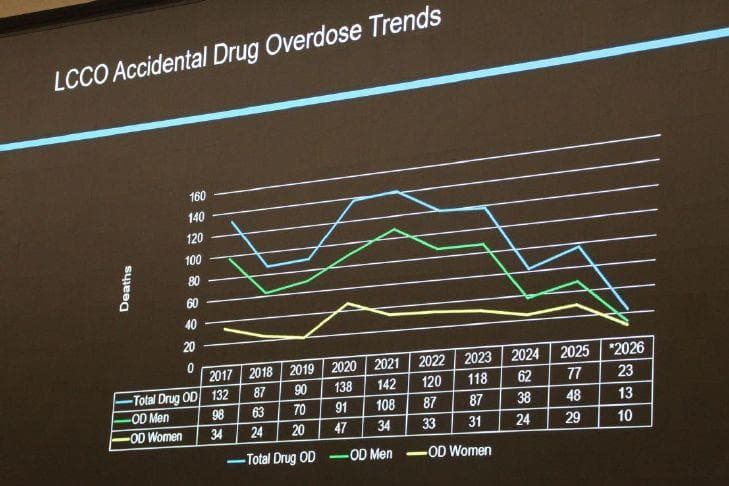
Minnesota's overdose death toll was already climbing before medetomidine entered the picture. Deaths rose 3% from the state's 2024 peak, according to Bradenton Herald. The arrival of a new, harder-to-treat drug adds fresh pressure on emergency rooms, harm reduction groups, and first responders already stretched thin.
The timing is especially dangerous. Standard overdose response tools were built around opioids like fentanyl. Medetomidine breaks that model. First responders may give naloxone and see no improvement — not realizing a second drug is at work. That confusion can cost critical minutes during an overdose.
A National Warning Sign Hidden in One State's Drug Supply
Health experts say Minnesota's situation is a preview of what could hit the rest of the country. Medetomidine is cheap to produce and easy to mix into fentanyl. Drug suppliers have little reason not to use it. Once it takes hold in a local supply, it spreads fast, according to News & Observer.
Officials are urging people who use drugs to carry fentanyl test strips and to never use alone. Harm reduction groups are pushing for wider access to test kits that can detect medetomidine specifically. Without those tools, users have almost no way to know what is in their supply, San Luis Obispo Tribune reported.
Sentiment
NeutralNEGATIVENEUTRALPOSITIVE
Publishers
8
Articles
8
Reach
8
A
AnonymousAuthor