Graham's Trans-Atlantic Vision
NATO Allies Honor Senator Lindsey Graham's Trans-Atlantic Foreign Policy Vision Amidst Fading Influence
Anonymous
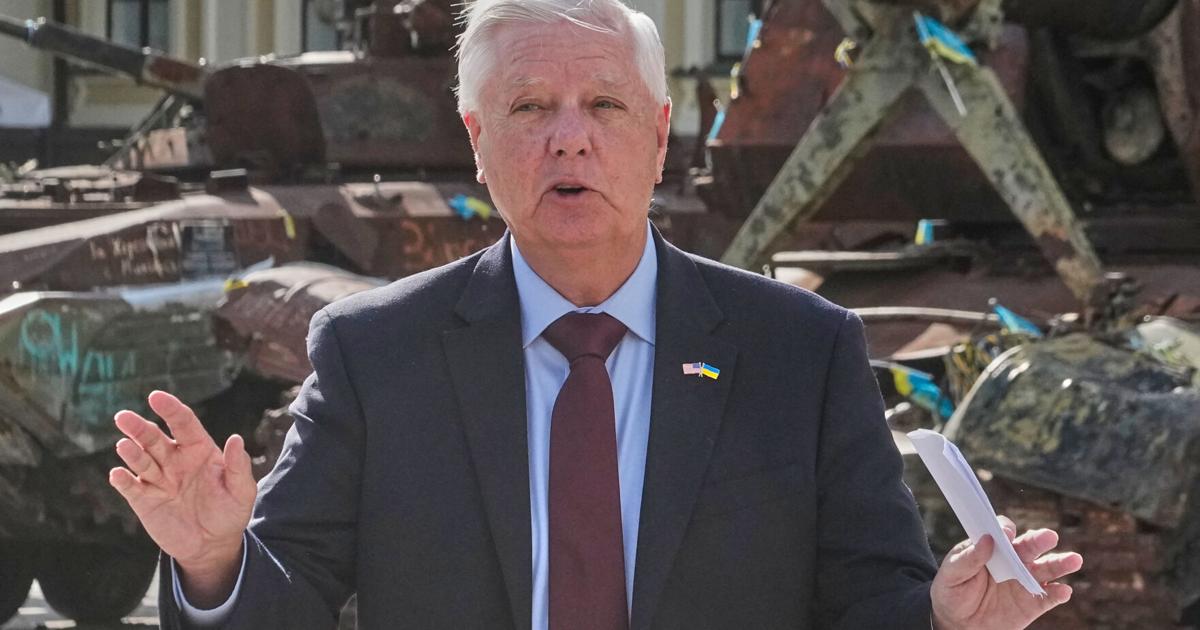
Former South Carolina senator Lindsey Graham died unexpectedly at age 71 after a brief and sudden illness, according to Dayton Daily News. His death has drawn an outpouring of tributes from NATO allies, Ukraine, and Israel — nations that saw him as one of their strongest champions in Washington.
Graham was known for pushing a muscular, engaged U.S. foreign policy at a time when that vision is losing ground in Washington. His passing leaves a rare voice for trans-Atlantic ties and military alliances without a clear replacement, The Reflector reported.
A Bridge Between Parties on U.S. Military Power
Graham was what few lawmakers are today — a bridge between Republicans and Democrats on foreign policy. He believed strongly that America must lead the world, not pull back from it. That put him at odds with a growing isolationist wing inside his own party, according to Post Register.
His death at 71 came suddenly. There had been no long public illness. Friends and colleagues said they were shocked. He had been active in foreign policy circles almost until the end, Daily Advance noted.
NATO and Ukraine Lose a Loyal American Ally
NATO allies quickly paid tribute to Graham after news of his death broke. He had visited Ukraine multiple times during the war with Russia. Ukrainian officials saw him as one of the most consistent American voices calling for military support, according to WDRB.
Graham pushed hard for U.S. weapons to reach Ukraine. He was vocal when others went quiet. His advocacy stood out in a Washington that has grown more divided over how much to help Kyiv. That kind of support will now be harder to find, Lufkin Daily News reported.
Israel Mourns One of Its Strongest Senate Voices
Israel also expressed grief over Graham's death. He was a firm supporter of the U.S.-Israel alliance and visited the region often. Israeli officials called him a true friend, according to Enid News.
Graham backed military aid to Israel and defended the country's actions publicly, even when it drew criticism. He saw a strong U.S.-Israel bond as central to Middle East stability. Few Republican senators matched his level of personal engagement with Israeli leaders, Journal-News noted.
Graham's Foreign Policy Vision Is Now Fading Fast
Graham's style of foreign policy — big commitments, strong alliances, and American military leadership — is no longer the dominant view in either party. The Republican Party has shifted sharply toward putting America first and avoiding foreign entanglements, according to Woonsocket Call.
Analysts say his death removes one of the last high-profile figures who could make the case for global engagement inside the GOP. No obvious successor has stepped up. His passing marks the end of an era in American foreign policy thinking, Daily Item reported.
Sentiment
NeutralNEGATIVENEUTRALPOSITIVE
Publishers
14
Articles
13
Reach
14
Topics
A
AnonymousAuthor


