Waymo Enters Munich Market
Waymo begins robotaxi testing in Munich, marking its first expansion into the European Union.
Anonymous
Key Points
1
Waymo has logged about 221 million fully autonomous miles in the U.S. as of March and operates in 11 U.S. cities with plans to expand to 19, underscoring its extensive experience as it moves into Germany.
2
Munich is Waymo's third international market after London and Tokyo, illustrating the pace and order of its European expansion.
3
Waymo's U.S. operations have driven over 350 million kilometres without a human driver and completed more than 20 million paid journeys, a metric the company highlights to support its safety narrative ahead of Munich rollout.
4
Germany laid the legislative groundwork for driverless road transport in everyday life in 2021, creating the regulatory path Waymo is navigating for its Munich plans.
5
Waymo has established European subsidiaries in France, Spain and the Netherlands and has registered a subsidiary in Switzerland, signaling a broader European footprint alongside its Munich rollout.
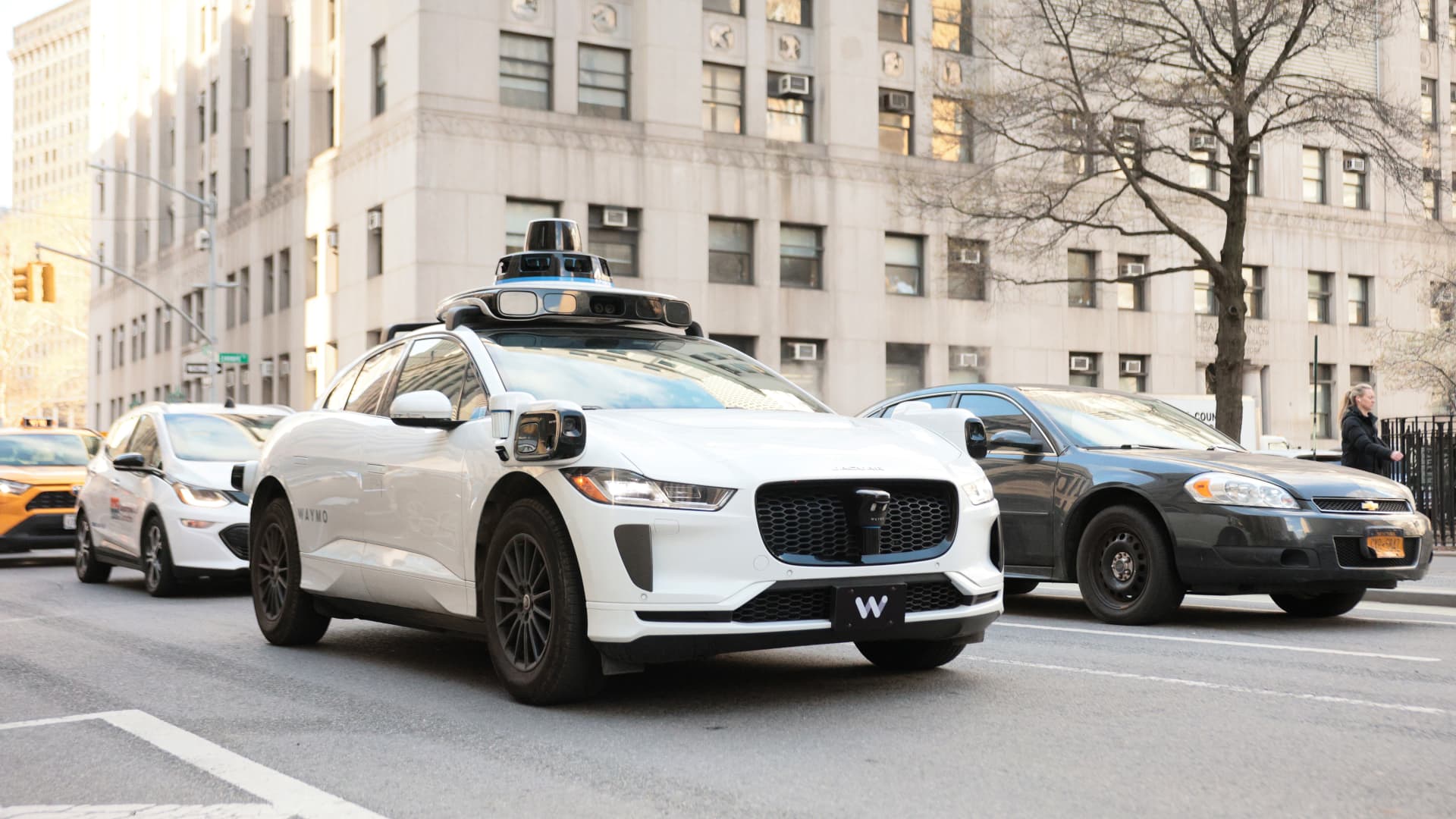
Waymo is bringing its robotaxi fleet to Munich, marking its first European foothold and third international market after London and Tokyo. CNBC reports the company will begin phased testing in coming weeks, with trained safety specialists mapping streets and tailoring software to German traffic rules. Commercial driverless rides are planned by the end of 2027, pending regulatory approval.
The expansion underscores Waymo's confidence in its autonomous driving technology. Inside EVs notes the company has logged 221 million fully autonomous miles in the U.S. as of March and completed over 20 million paid journeys—a safety track record the company is leveraging as it enters the European market.
Germany's Open Door for Driverless Cars
Germany created a regulatory pathway for autonomous vehicles in 2021, laying legal groundwork for driverless road transport in everyday life. CNBC reports Waymo is coordinating with the Federal Motor Transport Authority and local Munich authorities to secure necessary approvals. This supportive framework makes Germany an attractive second European market for the ride-hailing company.
Mapping and Training Before Public Launch
Waymo's initial phase focuses on preparation, not passengers. Yahoo Autos explains trained autonomous specialists will manually drive Waymo vehicles to map Munich streets and collect local driving data. The company will tailor its self-driving software to German traffic conditions and local driving patterns before opening rides to the public.
This phased approach mirrors Waymo's strategy in other markets. The testing period allows Waymo to build community trust and ensure its technology works safely in European traffic. BigGo Finance notes the initial phase emphasizes understanding Munich's specific driving environment before launching commercial service.
Waymo's Expanding Footprint Across Europe
Munich is not Waymo's only European bet. The company has already established subsidiaries in France, Spain, and the Netherlands, and registered a subsidiary in Switzerland. These moves signal a broader European expansion strategy beyond Munich, positioning Waymo as a serious contender in the continent's autonomous vehicle market.
Proven Safety Record Fuels U.S.-to-Europe Expansion
Waymo is highlighting its U.S. experience to build confidence ahead of Munich's launch. Inside EVs reports the company has driven over 350 million kilometers without a human driver and operates robotaxies in 11 U.S. cities. Waymo plans to expand to 19 U.S. cities, demonstrating the scale of its domestic operations as it moves into Germany.
Sentiment
Mostly PositiveNEGATIVENEUTRALPOSITIVE
Publishers
12
Articles
123
Reach
135
A
AnonymousAuthor