US Escalates Iran Pressure
US Signals Unprecedented Iran Sanctions and Hormuz Blockade Amid Rising Tensions
Key Points
CENTCOM spokesperson Tim Hawkins said reports that Adm. Brad Cooper pressed for renewed strikes against Iran during his Israel visit were 'an outright fabrication'.
During the Israel visit, Adm. Brad Cooper spoke with senior IDF commanders about US-Israeli military relations and the war with Iran.
U.S. officials reportedly could not independently verify Israel's warnings of assassination plots by Iran against President Trump; Reuters reported the warnings were passed to U.S. intelligence but could not be independently confirmed.
JD Vance said keeping oil and gas prices cheap for Americans is the top US goal in the Iran conflict, with preventing Iran from obtaining a nuclear weapon as a secondary objective.
US Treasury Secretary Scott Bessent warned that Washington will impose measures on Iran that have "never been seen," combining historic economic isolation with a naval blockade of the Strait of Hormuz. ARN News Centre reported the announcement came after attacks on two Abu Dhabi National Oil Company vessels transiting the strait, as ceasefire talks with Tehran have stalled.
Bessent told Newsmax's "Rob Schmitt Tonight" that viewers should expect more measures next week. The moves aim to cut off Iran's economy while keeping oil prices low for Americans — a goal Vice President JD Vance called the top US priority in the conflict, according to CTV News.
Bessent Promises Economic Pressure 'Never Seen' Before
Bessent described a two-pronged approach: sweeping economic sanctions and a continued blockade of the Strait of Hormuz, the narrow waterway through which roughly 20% of the world's oil flows. The goal, he said, is to fully isolate Iran's economy and cut off its trade. Middle East Eye reported he promised new measures would land as early as next week.
Preventing Iran from getting a nuclear weapon is also a stated goal, though Vance ranked it second behind keeping energy costs down for American households. The dual focus reflects tension inside Washington's Iran strategy — maximum pressure abroad, cheap gas at home, according to CP24.
Hormuz Blockade Puts Global Oil Supply at Risk
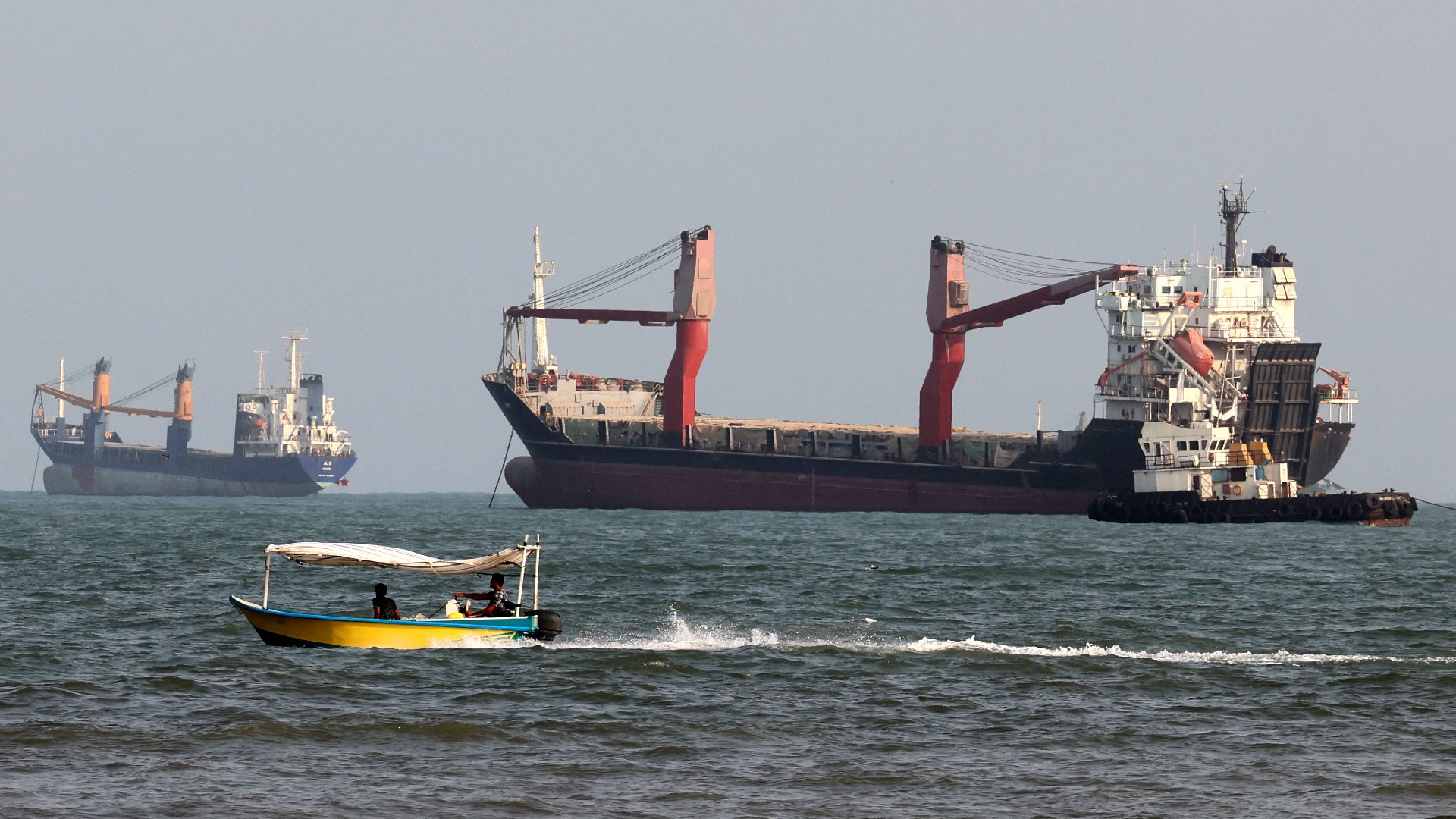
A full blockade of the Strait of Hormuz would choke off Iran's oil exports entirely. It would also threaten shipments from Kuwait, Qatar, and the UAE — countries that rely on the strait to move their crude to market. The recent attacks on two ADNOC vessels show the waterway is already a flashpoint.
Tighter supply through Hormuz typically pushes oil prices higher worldwide. But the US says it wants prices low for American drivers. That contradiction could become harder to manage if the blockade widens beyond Iranian traffic, according to Dubai Eye.
CENTCOM Denies Strike Pressure Reports After Israel Visit
CENTCOM spokesperson Tim Hawkins called reports that Adm. Brad Cooper pushed for renewed strikes against Iran during his Israel visit "an outright fabrication." Cooper met with senior IDF commanders to discuss US-Israeli military relations and the ongoing war with Iran, the military said.
The denial came as US officials also cast doubt on Israeli warnings that Iran was plotting to assassinate President Trump. CTV News reported that US intelligence could not independently verify those claims, though Israel did pass the warnings to American agencies.
Vance Sets the Priority: Cheap Gas Over Nuclear Threat
Vice President Vance was direct about what matters most to the White House. Keeping oil and gas prices low for Americans is the top goal, he said — with blocking Iran's nuclear program coming second. That framing puts economic relief for voters ahead of long-term security concerns.
The ranking drew attention because a nuclear-armed Iran has long been Washington's stated red line. Placing it below energy prices signals a shift in how the Trump administration talks about the conflict's stakes, according to ARN News Centre.
Sentiment
Mostly NegativePublishers
11
Articles
33
Reach
44