Iran Water Disruption
US Strike Destroys Iran Desalination Plant, Cutting Water for 10,000 Amid Regional Tensions
Anonymous
Key Points
1
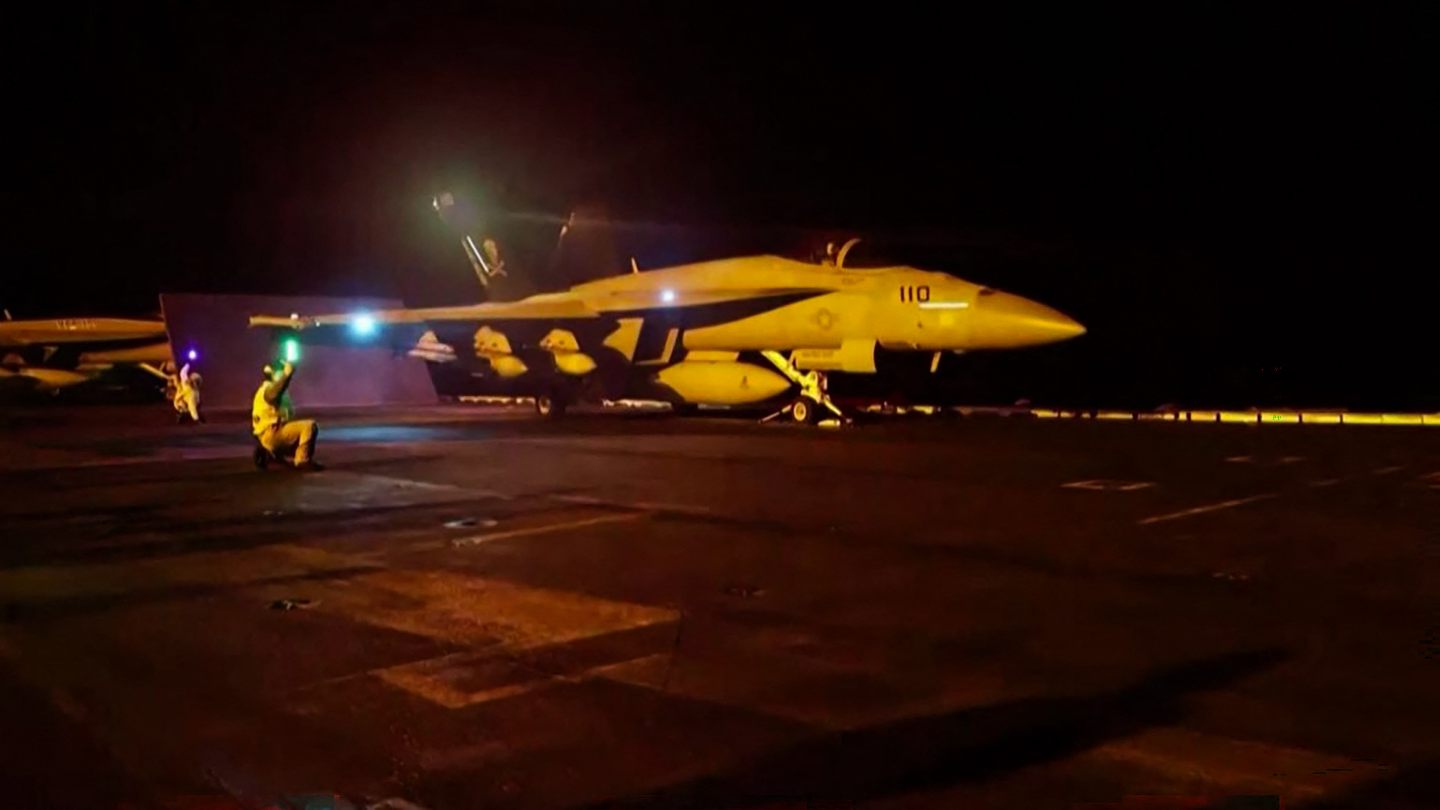
CENTCOM said it carried out its seventh consecutive wave of strikes against Iran overnight, targeting surveillance sites, military logistics infrastructure, underground weapons storage facilities and maritime assets; more than 50,000 US service members remained deployed across the Middle East.
2
In Bunji, the seawater desalination plant's pumping station and its power transformer were described as completely destroyed, cutting drinking water to about 20 villages and roughly 10,000 people.
3
Kuwait's Ministry of Electricity, Water and Renewable Energy reported a fire at a component of a power generation and water desalination plant following the latest Iranian attacks, triggering precautionary disconnections to protect the grid and maintain electricity and water supply.
4
There are conflicting reports on the plant’s exact location, with some outlets naming Bunji in the Jask district, while others cite Chabahar or a broader Jask area.
5
The reports also note extreme heat, with temperatures above 40°C, which exacerbates the humanitarian impact of the water outage on the affected coastal communities.
A US strike on a seawater desalination plant in Bunji, on Iran's southern coast, has cut drinking water for about 10,000 people across 20 villages, according to Middle East Monitor. Iran's Hormozgan Water and Wastewater Company said the attack "completely disrupted" water provision, leaving coastal communities in the Jask district of Hormozgan province without access to clean water.
The strike comes as CENTCOM announced its seventh consecutive wave of attacks against Iranian targets overnight. Temperatures in the region are above 40°C, making the water outage a life-threatening crisis for residents of the affected villages, according to Daily Sabah.
Pumping Station and Transformer Completely Destroyed
The strike destroyed both the plant's pumping station and its power transformer, according to Middle East Eye. With both systems gone, the facility cannot move or process water at all. The Hormozgan Water and Wastewater Company warned that the roughly 10,000 residents across 20 coastal villages now face a severe shortage with no quick fix in sight.
teleSUR reported that the director general of the Hormozgan Water and Wastewater Company confirmed the full disruption of supply. Some outlets cite the plant as being in the Jask district, while others name the broader Chabahar area. The exact location remains disputed, but the humanitarian impact is not.
Seventh Wave of US Strikes Hits Military and Civilian Infrastructure
CENTCOM said the latest strikes targeted surveillance sites, military logistics hubs, underground weapons storage, and maritime assets. More than 50,000 US service members remain deployed across the Middle East. US officials have framed the campaign as targeting threats to regional security, particularly in the Strait of Hormuz.
Iranian officials called the strikes crimes against civilians. The Bunji plant is not a military site — it exists solely to turn seawater into drinking water for remote coastal villages. Hitting it cuts off a basic need, not a weapon, according to Middle East Monitor.
Kuwait Desalination Plant Catches Fire Amid Regional Spillover
The conflict is rippling beyond Iran's borders. Kuwait's Ministry of Electricity, Water and Renewable Energy reported a fire at a component of one of its power generation and water desalination plants following Iranian attacks, according to Middle East Eye. Kuwait triggered precautionary grid disconnections to protect electricity and water supply for its own population.
The Kuwait incident shows how strikes and counter-strikes are now threatening civilian water and power systems across the Gulf region. Both sides are hitting infrastructure that millions of ordinary people depend on every day.
Extreme Heat Turns Water Outage Into a Health Emergency
Temperatures above 40°C in southern Iran make the loss of water far more dangerous than it would be in a cooler climate. Without drinking water, dehydration, heat stroke, and disease spread quickly. The affected villages are remote coastal communities with few alternative sources of clean water, according to Daily Sabah.
Relief organizations have not yet announced emergency water deliveries to the area. Until the plant is repaired or water is trucked in, 10,000 people are left to cope in one of the most hostile climates on earth, with no clear timeline for restoration of service.
Sentiment
Mostly NegativeNEGATIVENEUTRALPOSITIVE
Publishers
14
Articles
6
Reach
20
Topics
A
AnonymousAuthor


