Luxury's Future Questioned
440,000 New U.S. Millionaires from Stock Gains: Will Luxury Markets Benefit?
Anonymous
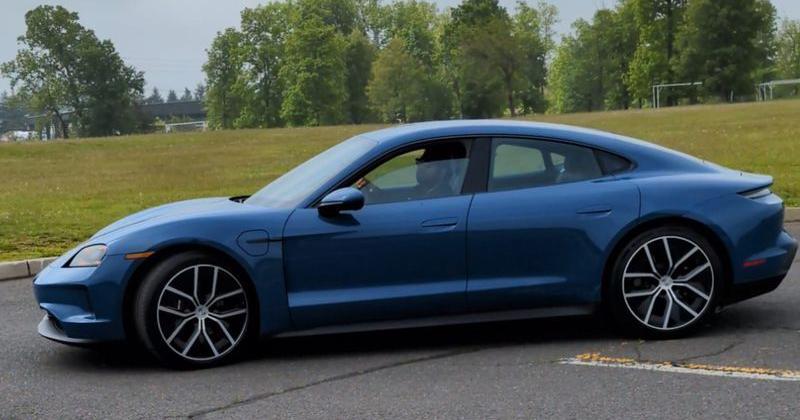
An estimated 440,000 new U.S. millionaires were minted in 2025 alone — more than 1,200 per day — according to UBS. The boom was fueled by a historic tech stock rally and the June 2026 SpaceX IPO, which hit a $1.77 trillion valuation and created roughly 4,400 overnight millionaires. Now luxury brands are racing to capture that fresh cash. But the new rich are not buying what luxury houses are selling.
Instead of Chanel handbags and designer suits, these newly wealthy tech workers are spending on meteorites, Apple Watches, Alaskan cruises, and even professional sports teams. Reuters broke the story of this widening gap between old luxury and new money — and the stakes could not be higher for a sector already bruised by slumping Chinese demand.
SpaceX IPO Mints Millionaires Who Buy Space Rocks
"Chip," a 50-year-old former SpaceX data scientist, is sitting on roughly $3.5 million in SpaceX shares. His splurges? $10,000 in meteorites and a $5,000 fire truck. He calls them "silly" purchases. He bought his last jacket at Goodwill. "I've been in T-shirts and shorts for years," he told Reuters. "That's what I'm comfortable in — I don't see that changing."
Another former SpaceX engineer, "Robert," holds about $4 million in shares. He and his wife bought high-end Apple Watches to track their fitness and booked an Alaskan cruise. The rest will go back into investments. AI strategist Zack Kass, a former OpenAI executive, took a different route entirely. "I literally took my OpenAI winnings and bought a professional sports team," he told Reuters, referring to a professional volleyball club.
New Money Spends One-Third Less on Fashion and Handbags
Luxury brands were hoping this wealth wave would rescue them. The global personal luxury goods market — worth €358 billion in 2025 — has shrunk for two straight years, hammered by weak Chinese consumer demand. North America emerged as a rare bright spot. Richemont CEO Nicolas Bos praised "a high level of consumer confidence in America," and the company posted a 20% jump in first-quarter sales.
But management consultants are pouring cold water on the excitement. Research from Boston Consulting Group shows that newly wealthy tech millionaires spend roughly one-third less on luxury apparel and leather goods than people with inherited money. They prefer durable assets: real estate, yachts, and high-end cars. Bain & Company partner Federica Levato put it bluntly: "This industry is competing more and more with other industries and with other buckets of possible expenditures."
Smartwatches Challenge Swiss Watchmakers for Tech Wrists
The watch industry illustrates the tension perfectly. The U.S. became the top destination for Swiss watch exports in 2025, grabbing 17% of global exports. Yet tech workers are reaching for Apple Watches, not Rolexes. Harrison Colcord, a luxury lifestyle concierge, says wellness trackers have become a status symbol inside Silicon Valley. "You're not wearing your smartwatch with your tux or your suit," he countered — arguing traditional watchmakers still own the formal occasion.
California stylist Mary Gonsalves Kinney, who works with Silicon Valley executives, says iconic brands like Chanel and Hermès still carry weight when tech workers do decide to dress up. But those moments are rare. The casual culture of the tech world runs deep — and no amount of marketing spend has cracked it yet.
Wall Street Races to Capture the Tech Windfall First
Financial firms moved fast to grab the new money before luxury brands could. Morgan Stanley's wealth management division pulled in $74 billion in net client inflows during Q2 2026, driven largely by SpaceX and tech IPO proceeds. The next wave could be even bigger. An estimated 12,000 multimillionaires are expected to emerge from upcoming IPOs by OpenAI and Anthropic.
But analysts warn the boom may rest on shaky ground. Some outlets point to post-IPO underperformance from recent tech listings as a sign the market cycle is maturing. Median U.S. adult wealth actually fell nearly 20% between 2020 and 2025, even as average wealth rose 10% — a gap driven entirely by stock market gains concentrated among the already-wealthy. Whether the AI millionaire moment sparks a luxury renaissance or fizzles into a brief bubble remains the defining question for the sector.
Sentiment
NeutralNEGATIVENEUTRALPOSITIVE
Publishers
26
Articles
25
Reach
26
Topics
A
AnonymousAuthor