Global Bird Flu Outbreak
Bird flu spreads across US and Australia as fall migration fuels new outbreaks.
Anonymous
Key Points
1
NSW advises backyard-poultry and pet-bird owners to provide clean, chlorinated household water and keep birds away from natural water sources. Dog and cat owners are also urged to keep dogs leashed in wildlife areas and wash their hands before and after handling birds or other animals.
2
Wisconsin authorities said a 10-kilometre control area is established around an infected poultry premises to restrict the movement of poultry and poultry products. Owners are encouraged to disinfect equipment, limit animal access and isolate new flock or herd additions for at least 30 days.
3
The latest U.S. detections included two Minnesota flocks containing 44,300 meat turkeys and 18,000 breeding birds. North Dakota’s outbreak occurred in LaMoure County, where a second commercial turkey-farm outbreak had already been recorded in April.
4
NSW said most of its detections have involved terns, which can spread the virus readily because they gather in large colonies along the coast. The state is using a nationally consistent event-reporting system as part of the broader surveillance response.
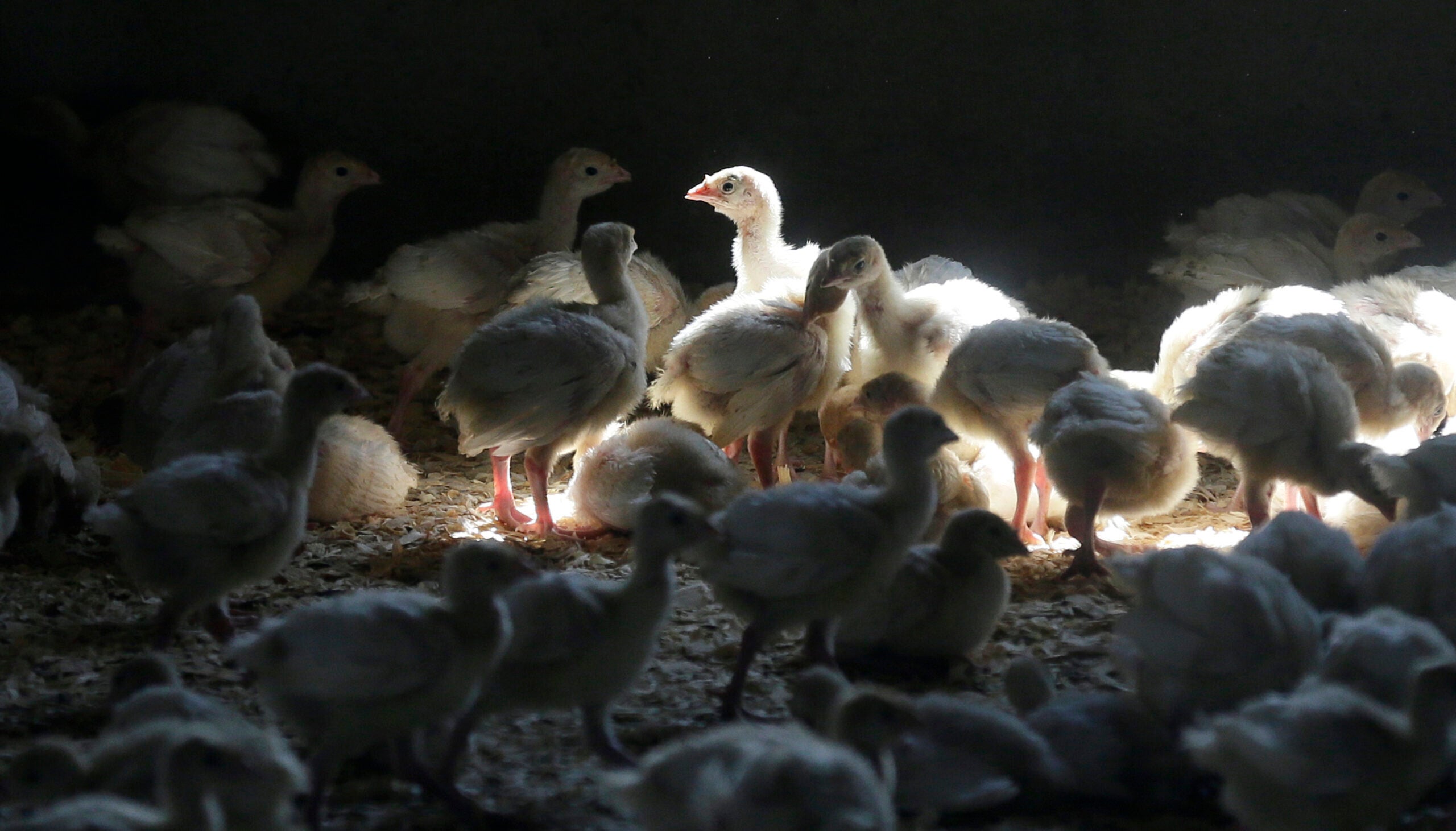
Bird flu is spreading rapidly across wild bird populations in Australia and the United States, prompting health warnings and farm quarantines. NSW Health recorded eight new H5 cases among coastal birds, bringing the state's total to 40, while Australia's count reached 542. In the U.S., a commercial turkey flock in Wisconsin tested positive, and more than 417,000 turkeys across Minnesota, South Dakota and North Dakota have been infected since August 12. Authorities stress human risk remains low but urge people to avoid sick wildlife and follow strict biosecurity rules.
Wisconsin State Agriculture confirmed the Barron County poultry outbreak prompted quarantine and depopulation of infected birds. A 10-kilometre control zone restricts movement of poultry and products in the area. Health officials are monitoring exposed workers closely, though no human infections have been reported.
Coastal Terns Drive Australia's Growing H5 Outbreak
New South Wales detected eight additional H5 events this reporting period, pushing the state total to 40 out of Australia's 542 cases. NSW authorities say most infections involve terns, seabirds that gather in massive coastal colonies and spread the virus easily within large groups. No commercial poultry or captive birds have tested positive in NSW, keeping the economic impact minimal so far.
Residents are advised to provide clean, chlorinated water for backyard and pet birds while preventing access to natural water sources. Pet owners should keep dogs leashed in wildlife areas and wash hands before and after handling animals. Australian biosecurity officials are using a nationally consistent surveillance system to track H5 spread among wild populations.
Wisconsin Outbreak Sparks Farm-Wide Quarantine and Depopulation
A commercial poultry flock in Barron County, Wisconsin tested positive for highly pathogenic avian influenza. Wisconsin Department of Agriculture ordered depopulation of infected birds to prevent further spread. The birds will not enter the food supply, and public health risk remains low. Health officials are monitoring all workers exposed to the infected flock.
A 10-kilometre control zone now restricts movement of poultry and poultry products around the infected premises. Owners must disinfect equipment, limit animal access and isolate new animals for at least 30 days. State officials stress that farms should restrict bird movement, improve sanitation and, where possible, house birds indoors to prevent exposure.
Upper Midwest Turkey Flocks Bear the Heaviest Toll
Since August 12, bird flu has infected more than 417,000 commercial turkeys across Minnesota, South Dakota and North Dakota. U.S. poultry authorities reported two separate Minnesota flock detections involving 44,300 meat turkeys and 18,000 breeding birds. North Dakota's outbreak occurred in LaMoure County, where a second farm had already been hit in April, showing the virus returns to vulnerable regions.
Fall migration is fueling renewed spread of the virus as wild birds move through the region ahead of the holiday season. Commercial turkey farms face heightened risk during this period. Agricultural experts urge owners to restrict animal movement between farms, improve cleaning and sanitation protocols and house birds indoors when feasible.
Global H5N1 Cases Include Alaska Seabirds and UK Deaths
Beyond Australia and the commercial U.S. outbreak, H5N1 detections continue spreading in wild populations globally. Alaska health officials reported five seabirds collected near Nome between 2024 and 2025 tested positive for the highly contagious H5N1 strain. UK authorities confirmed avian influenza at a Kent nature reserve where more than 400 birds died, prompting site closures and warnings against touching wildlife.
Wildlife experts stress that H5N1 continues circulating in wild bird populations across multiple continents, with terns and seabirds acting as major vectors. Health officials maintain that human transmission risk remains very low and direct contact with infected birds is the primary exposure route. The public should report dead or sick birds to local authorities rather than handling them.
Sentiment
Mostly NegativeNEGATIVENEUTRALPOSITIVE
Publishers
21
Articles
9
Reach
30
A
AnonymousAuthor