South Island Quake Assessment
Magnitude 6.3 Earthquake Strikes Te Anau, South Island; Tsunami Risk Evaluated
Anonymous
Key Points
1
USGS-based data place a magnitude-5.9 earthquake about 42 km north-northwest of Te Anau with a depth of 76.4 km (epicenter around 45.04°S, 167.61°E).
2
The German GFZ reported a magnitude-5.62 event near Te Anau at a shallow depth of 10 km, indicating a crustal quake with potentially different implications than deeper events.
3
Early felt-reports for the 6.3 Te Anau earthquake varied significantly: RNZ cited more than 18,500 people reporting strong shaking, while 1News reported about 13,000 felt this quake within minutes.
4
Authorities were actively assessing tsunami risk linked to the Te Anau sequence, with emergency management and geoscience agencies monitoring for potential tsunami effects and no confirmed warning issued in initial alerts.
5
VolcanoDiscovery reported a magnitude-6.4 event near Te Anau with a depth of about 37.5 km (epicenter near 45.04°S, 167.68°E), dated 09:14 local time, illustrating updated magnitude readings across outlets.
A magnitude-6.3 earthquake struck near Te Anau in New Zealand's South Island on Thursday, triggering an immediate tsunami warning and evacuation orders along the coast. The National Emergency Management Agency told people near the shoreline to leave at once, with authorities warning that land inundation was possible, according to Express.
The quake's epicenter sat roughly 40–45 km north of Te Anau at a depth of about 51–53 km. More than 18,500 people reported feeling strong shaking within minutes, according to RNZ, while 1News put early felt-reports at around 13,000. Shaking was felt across large parts of the South Island.
Tsunami Warning Sends Coastal Residents Fleeing
New Zealand's National Emergency Management Agency issued an evacuation order covering the West Coast from Milford Sound to Puysegur Point, according to SSB Crack News. The agency warned that dangerous waves could hit the shore. Residents in low-lying areas were told to move to higher ground immediately and not to wait to see water before leaving.
Early assessments did not confirm widespread damage. However, authorities made clear that the tsunami risk required urgent action. No official all-clear had been issued in the immediate aftermath. Emergency teams kept monitoring the coastline as the situation developed, Harvey Reporter noted.
A Swarm of Aftershocks Complicates the Picture
The 6.3 event was not alone. USGS data recorded a magnitude-5.9 quake about 42 km north-northwest of Te Anau at a depth of 76.4 km. Germany's GFZ agency reported a separate magnitude-5.62 event near Te Anau at just 10 km deep — a so-called crustal quake, which sits much closer to the surface and can cause stronger local shaking.
VolcanoDiscovery later reported a magnitude-6.4 event near Te Anau at a depth of about 37.5 km, timed at 09:14 local time. The varying magnitude readings across agencies reflect the normal process of updating seismic data in real time. Geonet urged residents to keep reporting felt events to help build an accurate picture of the sequence.
Te Anau: A Tourist Gateway in Earthquake Country
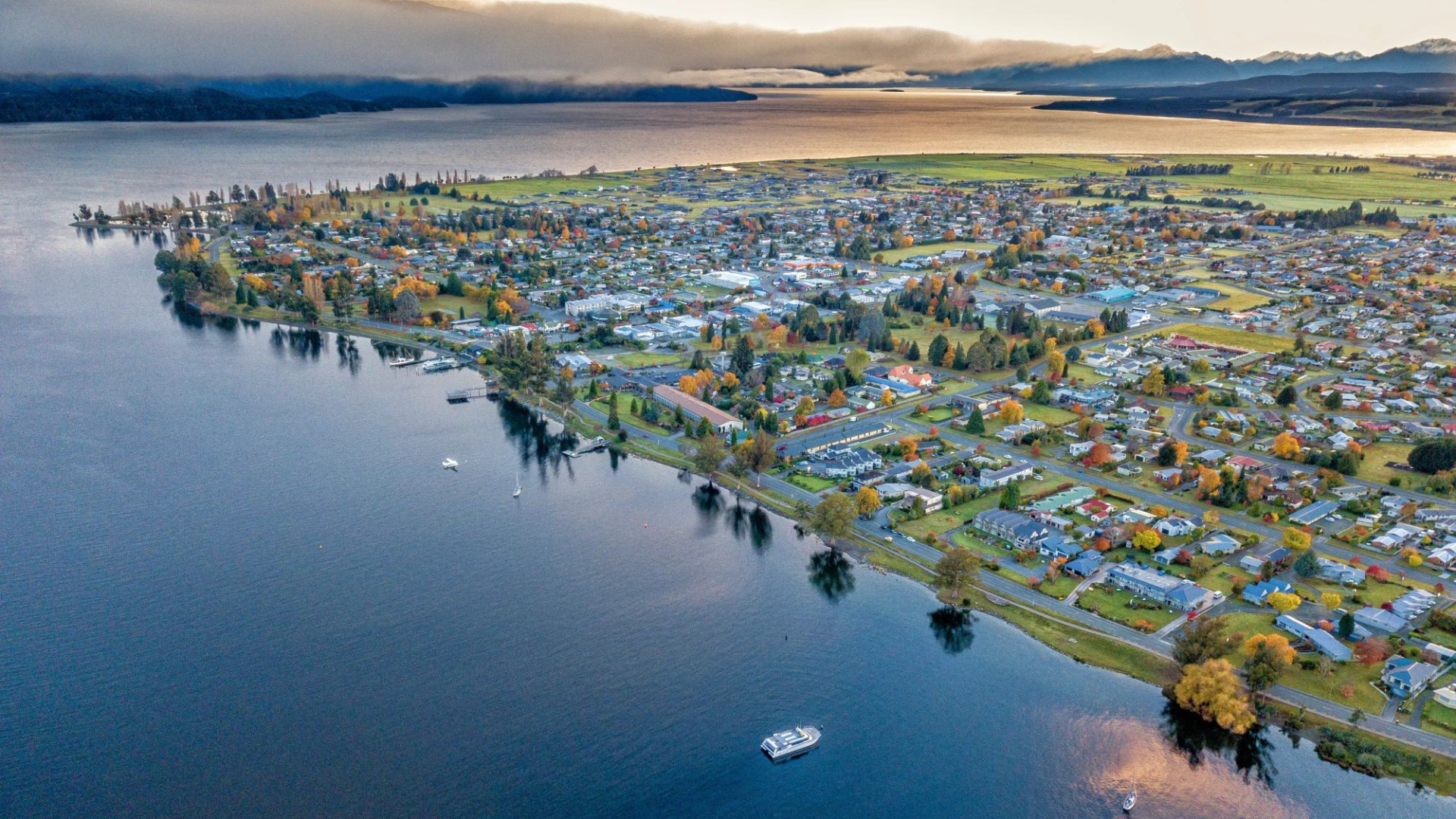
Te Anau is the main base for visitors heading to Fiordland and Milford Sound — one of New Zealand's most visited destinations. The town sits in a seismically active zone where the Pacific and Australian tectonic plates meet. Quakes in this region are not unusual, but a magnitude-6.3 event at this location draws immediate concern because of its proximity to the coast, The Sun reported.
New Zealand sits on the Pacific Ring of Fire. The country experiences thousands of earthquakes each year, though most are too small to feel. Events above magnitude 6.0 are considered strong and can cause structural damage, especially at shallow depths. The 10 km depth recorded by GFZ for one of Thursday's quakes puts it firmly in that higher-risk category.
What Authorities Said and What Comes Next
Emergency managers told people near the coast to treat the warning seriously. The official message was clear: leave immediately, do not wait for visual confirmation of waves. Authorities said they were actively assessing the risk and would update guidance as new data came in, according to Harvey Reporter.
Geonet and other agencies continued to monitor for aftershocks following the main sequence. Initial reports suggested only light to moderate impacts rather than major destruction. Scientists warned that aftershocks were likely in the hours and days ahead. Residents were asked to stay away from coastal areas until the all-clear was officially given.
Sentiment
Mostly NegativeNEGATIVENEUTRALPOSITIVE
Publishers
53
Articles
210
Reach
263
A
AnonymousAuthor


