Ebola Precautionary Evacuation
UK evacuates humanitarian worker from DRC to London as Ebola precaution
Anonymous
Key Points
1
The evacuee's identity has not been disclosed publicly.
2
DRC Ebola outbreak numbers cited by officials show more than 2,344 confirmed infections and at least 930 related deaths since the outbreak began in May.
3
UKHSA described the evacuation as a 'highly precautionary measure' taken to safeguard the individual and the public.
4
The outbreak context is emphasized as the fastest-growing Ebola epidemic on record since May, underscoring the need for such precautionary actions.
5
In June, UK authorities conducted an NHS-wide alert prompting PPE stock checks and readiness to isolate patients as part of preparedness for Ebola.
A UK humanitarian worker has been medically evacuated from the Democratic Republic of the Congo and is now being monitored at a specialist hospital in London after a potential Ebola exposure, The Guardian reported. The UK Health and Security Agency called the move a 'highly precautionary measure' taken to protect both the individual and the public. The worker is currently showing no symptoms.
Officials stressed there are no confirmed Ebola cases in the UK. The UKHSA noted that the Ebola incubation period runs from two to 21 days, meaning the worker will remain under close watch, according to LBC.
Worker Evacuated After Treating Ebola Patients in DRC
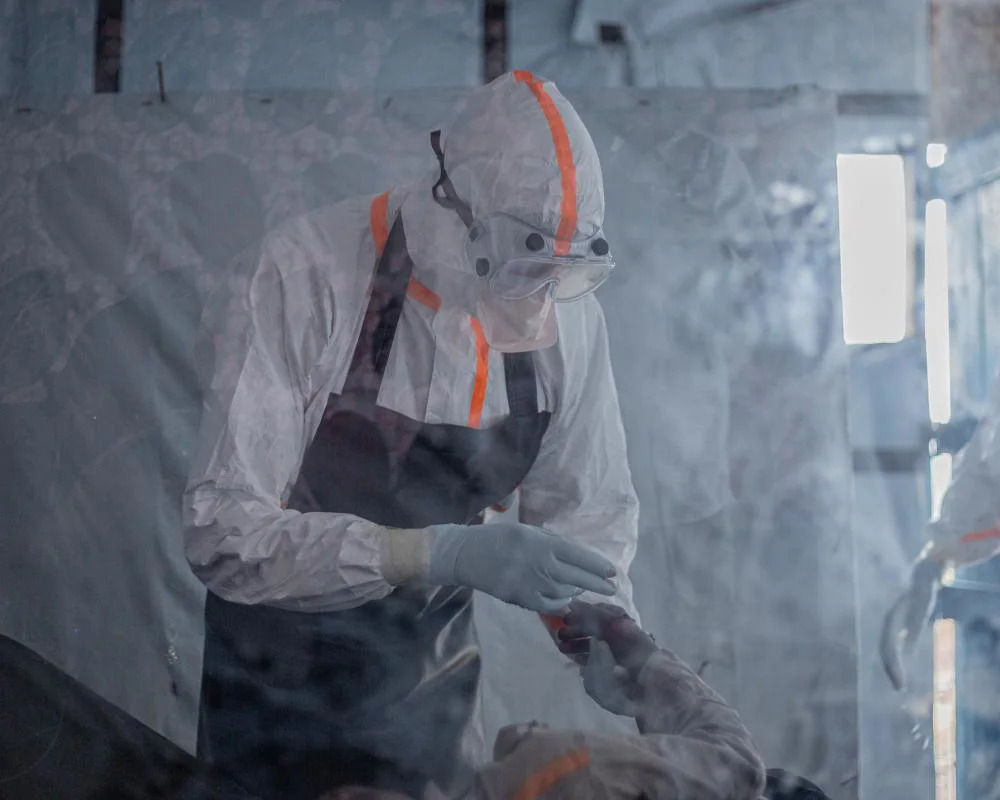
The unnamed worker had been treating Ebola patients in the DRC when they were potentially exposed to the virus, The Guardian reported. UKHSA coordinated the evacuation with the NHS, the DRC government, and international partners. The individual is now isolated at a specialist London hospital while health officials monitor for any signs of infection.
UK authorities were careful to manage public concern. The UKHSA described the risk to the general public as low. The worker's identity has not been disclosed, LBC noted.
DRC Outbreak Is the Fastest-Growing Ebola Epidemic on Record
The evacuation comes against a grim backdrop. The DRC Ebola outbreak, which began in May, has recorded more than 2,344 confirmed infections and at least 930 deaths, according to Yahoo News. Officials have called it the fastest-growing Ebola epidemic on record. The scale of the outbreak explains why UK authorities took swift precautionary action.
Ebola spreads through direct contact with the bodily fluids of infected people. It does not spread through the air. That means the risk to the wider public from a single isolated case remains very low, health officials said.
NHS Put on Ebola Alert Months Before This Evacuation
UK health authorities had already been preparing for a scenario like this. In June, the NHS sent a system-wide alert asking hospitals to check their PPE stocks and confirm they could isolate patients quickly, The Guardian reported. That readiness drill was triggered by the worsening situation in the DRC.
The London hospital now housing the evacuated worker is a specialist high-consequence infectious disease unit. These units are designed specifically to handle dangerous pathogens like Ebola. The UK has used similar facilities before, including during the 2014 West Africa Ebola crisis.
What Happens Next: Monitoring and a 21-Day Window
The worker will remain in isolation for up to 21 days — the maximum incubation period for Ebola. If no symptoms appear within that window, the risk effectively disappears. UKHSA said it will provide updates if the situation changes, according to Head Topics.
For now, UK officials say the public does not need to take any action. No contacts of the worker in the UK have been identified as at risk. The case serves as a reminder of the dangers faced by humanitarian workers treating patients during active outbreaks, and the systems governments maintain to protect them when things go wrong.
Sentiment
Mostly NegativeNEGATIVENEUTRALPOSITIVE
Publishers
21
Articles
47
Reach
68
A
AnonymousAuthor


