Pioneering Skull Surgery Breakthrough
British Toddler Becomes First Patient to Undergo Innovative Skull Surgery Using Springs
Anonymous
Key Points
1
Sagittal craniosynostosis affects roughly one in 1,800 to 2,000 babies in the UK and, if untreated, can cause learning difficulties, sight or hearing loss, breathing problems and dental abnormalities.
2
Rory’s parents, Harry and Jo Potter, first sought medical advice because they noticed shortly after his birth that his head appeared longer than expected; doctors later confirmed the severe diagnosis at Great Ormond Street Hospital.
3
The initial procedure to insert the springs lasted about 45 minutes, according to Great Ormond Street Hospital’s account of the operation.
4
Rory’s mother, Jo Potter, said, “You wouldn’t know what he’s been through,” describing him as “happy, cheeky and full of energy” and saying he was reaching milestones like other children.
5
Jo Potter said the family was given detailed explanations and reassurance throughout the process and praised the medical team’s “care, compassion and reassurance” as well as its commitment to medical research.
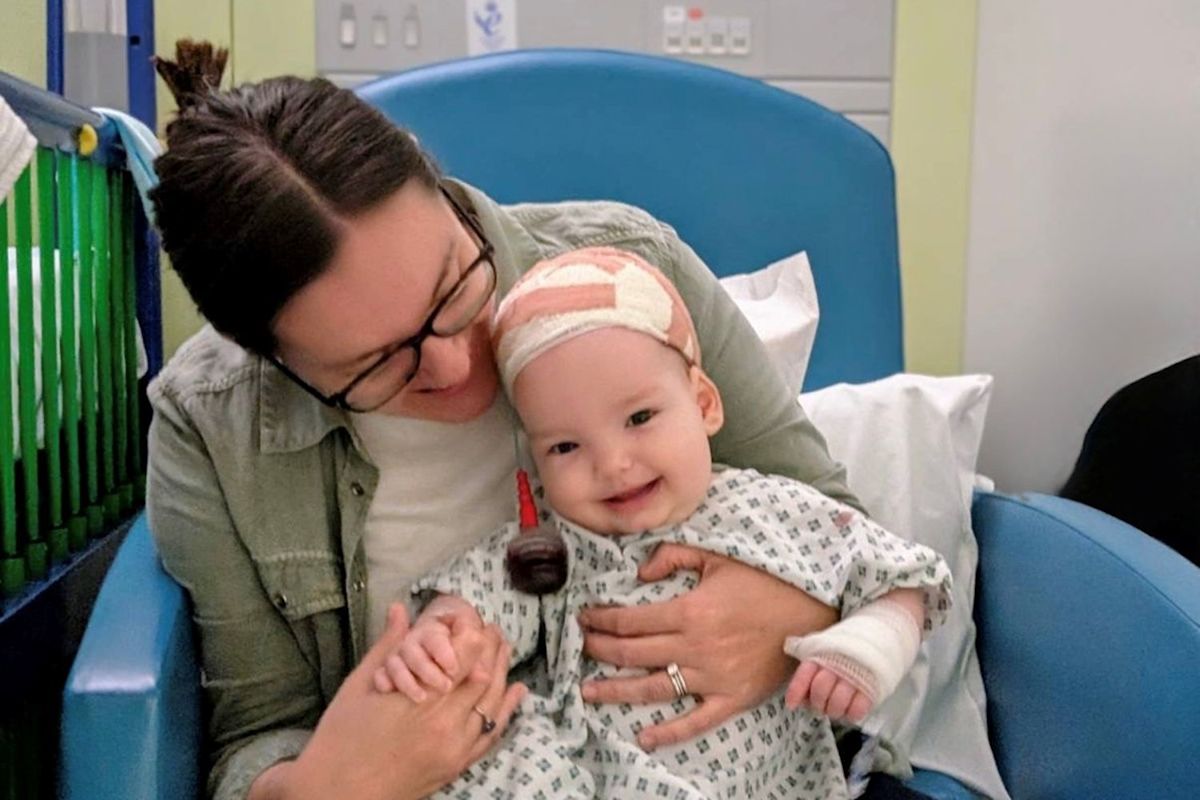
Rory Potter, a one-year-old from Derbyshire, made medical history when he became the world's first child to receive custom-made superelastic springs to treat a rare skull condition. Great Ormond Street Hospital and University College London developed the nickel-titanium implants to reshape his skull without the need for major surgery. A year after the 45-minute procedure in September, Rory is healthy, energetic, and hitting all his developmental milestones.
Sagittal craniosynostosis — a condition where the skull bones fuse too early — affects about one in 1,800 to 2,000 babies in the UK. Yahoo reports that left untreated, it can cause learning difficulties, vision or hearing loss, breathing problems, and dental issues. The new spring technology could reduce the need for multiple surgeries and blood transfusions compared to traditional treatments.
How Rory's Parents Spotted the Problem
Harry and Jo Potter noticed something unusual shortly after Rory was born: his head seemed longer than normal. They sought medical advice, and doctors at Great Ormond Street Hospital confirmed the diagnosis of severe sagittal craniosynostosis. The family faced a critical decision about how to treat their son's rare condition.
Jo Potter praised the hospital team's approach throughout the process. She said they received "detailed explanations and reassurance" every step of the way. The medical staff showed "care, compassion and reassurance," she added, while also advancing their research into better treatments for children.
Why These Springs Are Better Than Traditional Surgery
Traditional skull surgery for craniosynostosis is invasive and often requires multiple procedures. The new superelastic springs are custom-designed from CT scans of each patient's skull. They apply precisely calibrated pressure as a child's skull grows, gradually reshaping it over time.
Once the springs do their job, surgeons simply remove them — no need for permanent implants or repeat surgeries. Yahoo notes the springs reduce blood loss, shorten operating time, and lower the risk of complications. For families like the Potters, this means fewer trips to the hospital and faster recovery.
A Year Later: Rory Thriving and Full of Energy
One year after his groundbreaking procedure, Rory's mother says you'd never know he'd undergone surgery. "You wouldn't know what he's been through," Jo Potter explained. She describes her son as "happy, cheeky and full of energy," reaching the same milestones as other children his age.
The success of Rory's case opens doors for other children with craniosynostosis around the world. Archynetys reports the story has drawn significant global health media coverage, with outlets tracking the medical breakthrough across five distinct news sources. His recovery suggests the superelastic spring technology could become standard treatment for this rare condition.
Sentiment
Mostly NegativeNEGATIVENEUTRALPOSITIVE
Publishers
14
Articles
27
Reach
41
A
AnonymousAuthor


