Congressional Transparency Debate
Unexplained Lawmaker Absences Spark Renewed Debate Over Congressional Health Transparency
Anonymous
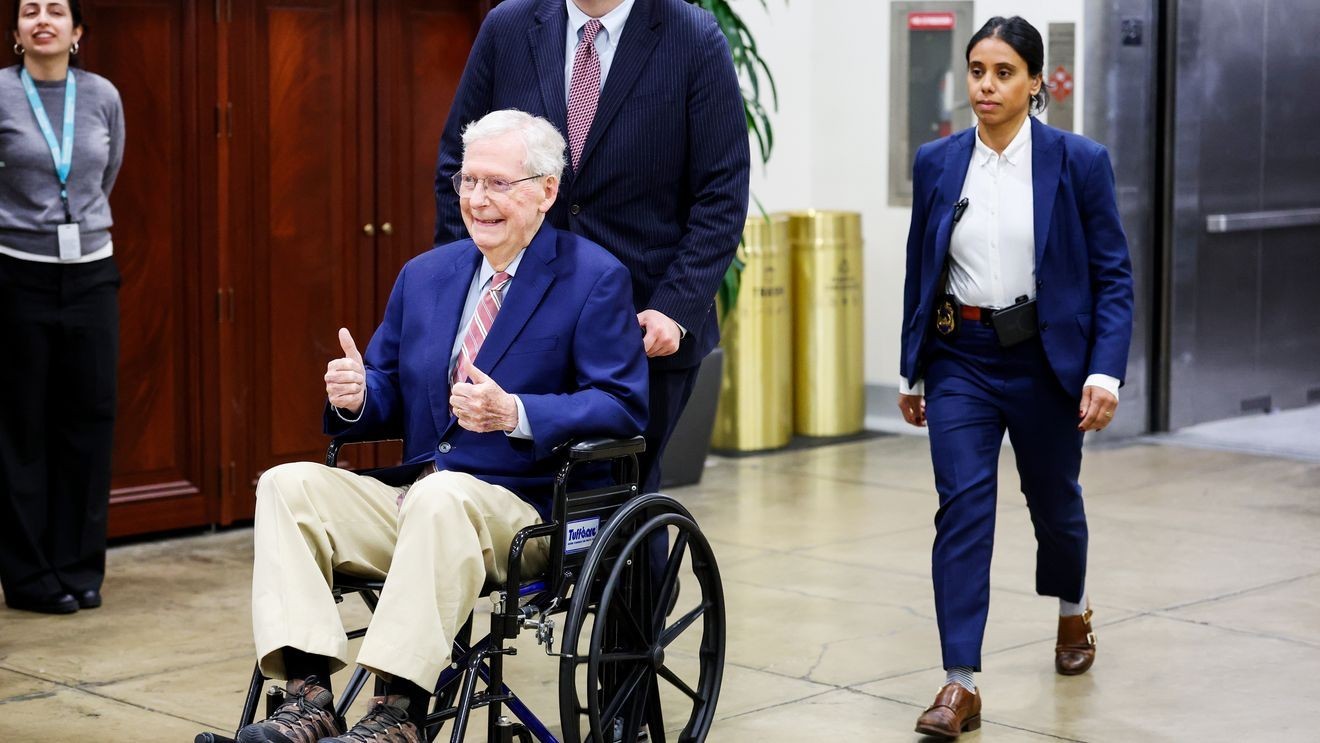
Members of Congress are missing votes and staying silent about why, and the law does not require them to explain. WUTV29 reports that Sen. Mitch McConnell, R-Ky., has been hospitalized for more than three weeks with no timeline for his return and no health updates from his office. The silence is fueling a growing debate over what lawmakers owe their constituents.
This follows a similar case involving Rep. Tom Kean, who was absent from Congress for four months. His office offered no explanation until he finally returned to Washington, according to KOMO News.
No Law Forces Lawmakers to Disclose Health Issues
Unlike many jobs, serving in Congress comes with no attendance requirement. There is no rule that forces a member to show up for a set percentage of votes. There is also no law requiring them to disclose a health condition — even one that prevents them from doing their job, according to Fox San Antonio.
That legal gap means constituents can be left in the dark for weeks or months. They may not know if their elected representative is well enough to vote on legislation that affects their lives. Critics say this is a basic failure of democratic accountability.
McConnell and Kean Cases Put the Issue in Focus
Sen. McConnell's hospitalization has stretched past three weeks. His office has not shared a diagnosis, a prognosis, or a return date, WGME reported. McConnell, 82, is the longest-serving Senate party leader in U.S. history. His absence has left colleagues and voters wondering who is speaking for Kentucky in the Senate.
Rep. Kean's four-month absence drew similar concern. His office stayed quiet the entire time. Only when he returned to Capitol Hill did any explanation come, according to News Channel 9. Both cases show a pattern where lawmakers treat their health as a private matter, even when their absence affects public duties.
An Aging Congress Raises Voter Concerns About Fitness
Congress is older than it has ever been. The average age of a U.S. senator is now over 65. The average House member is in their late 50s. KUTV notes that voters are paying more attention to the age and physical fitness of the people they elect. High-profile stumbles and health scares have only sharpened that focus.
Public concern about age is not just about one party. Questions have been raised about leaders on both sides of the aisle. Advocates say the real issue is not age itself — it is the lack of honest information when a lawmaker cannot perform their duties.
Calls Grow for Mandatory Disclosure Rules
Some lawmakers and good-government groups are pushing for new rules. They want members of Congress to report absences that last longer than a set number of days. They also want basic health disclosures when a condition affects job performance, according to KATV. So far, no formal legislation has advanced in either chamber.
Supporters of stronger rules argue that voters deserve to know if their representative can do the job. Opponents say health privacy is a personal right that extends to elected officials. The debate shows no sign of being resolved quickly — especially as long absences keep making headlines, Idaho News reported.
Sentiment
NeutralNEGATIVENEUTRALPOSITIVE
Publishers
16
Articles
15
Reach
16
A
AnonymousAuthor


