Environmental Fraud
Former Southern Water CEO and executives charged with conspiring to defraud regulators over wastewater compliance.
Anonymous
Key Points
1
Three additional former Southern Water staff—Mark Butler, Terry Stephens and David James—face charges of permit non-compliance linked to the same alleged conduct.
2
Operator Self-Monitoring (OSM) regime relies on unannounced sampling by independent teams, with results reported to the Environment Agency; deliberate manipulation of flows or data to dodge compliance checks is a criminal offence.
3
Prosecutors claim the alleged manipulation helped Southern Water avoid at least £45 million in fines, underscoring the financial impact of the scheme.
4
This case is notable for being the first time a water company CEO has faced criminal prosecution by the regulator for environmental offences.
5
Judicial rulings have cleared the way for prosecution: an Administrative Court decision confirmed the EA’s power to proceed, with the matter moving toward Medway Magistrates Court (complementing High Court rulings that rejected challenges to the EA’s authority).
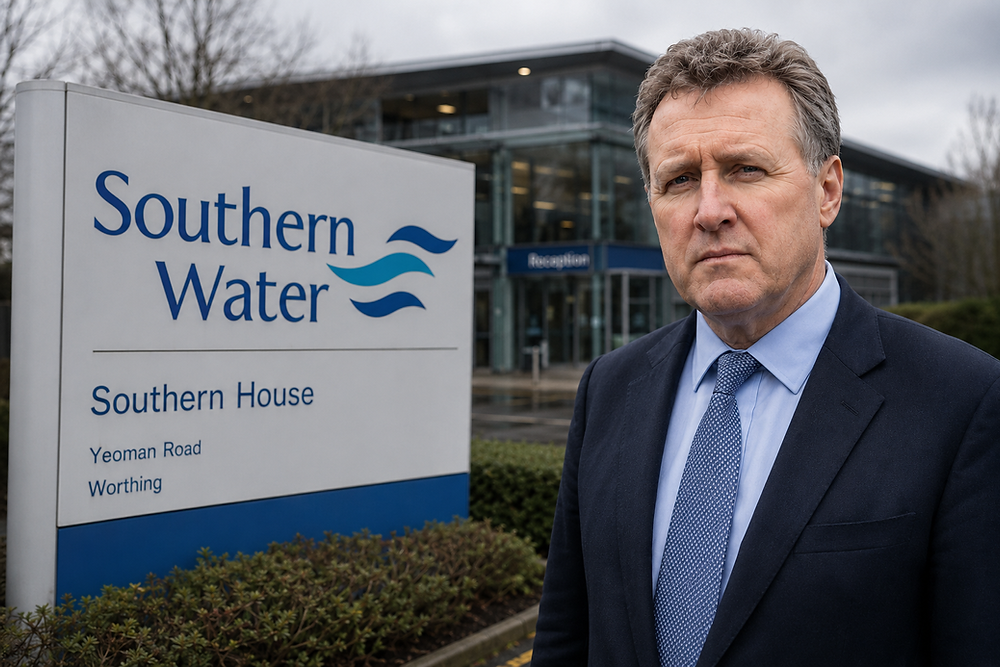
The former chief executive of Southern Water, Matthew Wright, has been charged with conspiracy to defraud in what prosecutors say is the first criminal prosecution of a water company CEO by the Environment Agency, according to The Guardian. Wright and three other former senior executives allegedly ran a years-long scheme to manipulate wastewater testing results between 2012 and 2017.
The case is now moving toward Medway Magistrates Court. Southern Water itself also faces criminal charges, as does a further three former staff members. The offences carry a maximum prison sentence of 10 years, Safer Highways reported.
How the Alleged Testing Fraud Actually Worked
Southern Water's wastewater treatment sites are subject to a regime called Operator Self-Monitoring, or OSM. Under OSM, independent teams take unannounced water samples, then report the results to the Environment Agency. The checks are meant to be a reliable, arms-length test of whether sites are meeting environmental standards.
Prosecutors allege that Wright and colleagues deliberately created artificial "no-flow" events at treatment works. Stopping the flow meant inspectors could not take valid samples. In effect, the scheme made failing sites look compliant, according to The Guardian. The Environment Agency says the manipulation helped Southern Water dodge at least £45 million in fines.
Four Executives Named, Three More Face Permit Charges
Matthew Wright is charged alongside three other former senior executives: Philip Barker, Clive Massey, and Mark Gregory. All four face conspiracy to defraud charges covering conduct between January 2012 and 2017, according to New Start Magazine.
Three further former Southern Water employees — Mark Butler, Terry Stephens, and David James — face separate charges of breaching environmental permits. Prosecutors link those alleged breaches to the same underlying conduct, Sussex Express reported.
Court Battles Cleared the Way for This Prosecution
Southern Water and its former executives challenged the Environment Agency's power to bring this case. An Administrative Court ruling rejected that challenge and confirmed the EA does have authority to prosecute individuals for these offences, Safer Highways reported. That decision cleared the way for proceedings at Medway Magistrates Court.
The legal victory matters beyond this case. Water companies have faced growing public anger over sewage dumping and weak enforcement. A successful prosecution here would mark a significant shift in how regulators hold executives personally accountable, not just their companies.
A Landmark Moment for Water Sector Accountability
This is the first time a sitting or former water company CEO has faced criminal prosecution by the Environment Agency for environmental offences, according to Head Topics. Industry watchers say the case sets a precedent for how far regulators are willing to go to pursue individuals, not just corporate entities.
Southern Water was already fined a record £90 million by Ofwat in 2021 for deliberately dumping sewage. The new criminal charges suggest regulators believe civil penalties alone were not enough. If convicted, Wright and his former colleagues could face up to 10 years in prison, New Start Magazine noted.
Sentiment
Mostly NegativeNEGATIVENEUTRALPOSITIVE
Publishers
15
Articles
43
Reach
58
A
AnonymousAuthor


