Canada-U.S. Trade War Escalates
Canada Announces Retaliatory Tariffs After U.S. Trade Negotiations End Without Agreement
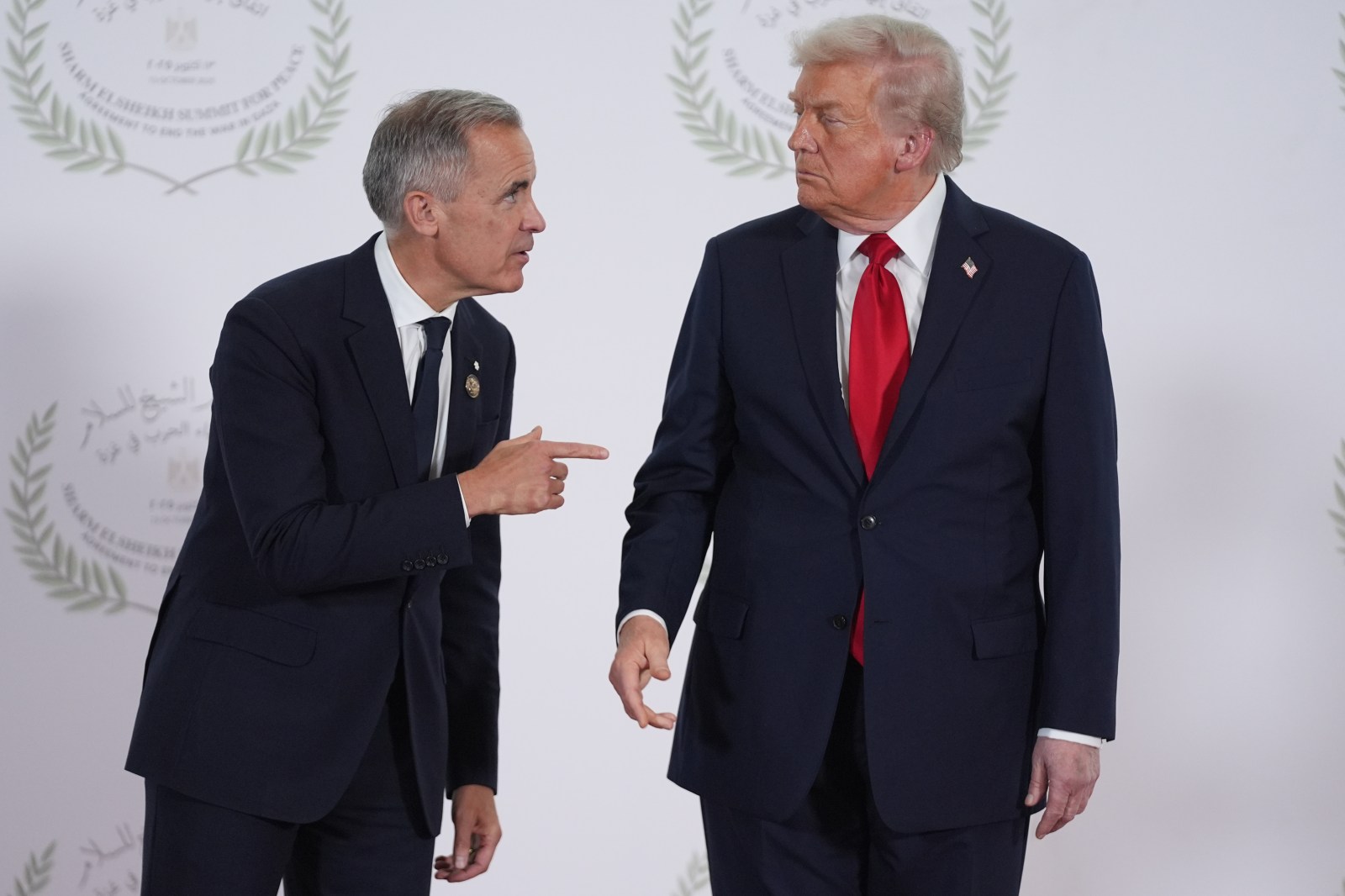
Canada and the United States have failed to reach a new trade deal before President Donald Trump's deadline, triggering 50 percent tariffs on Canadian exports and fears of widespread business closures Yahoo Finance. Prime Minister Mark Carney has suspended negotiations and ordered Canadian negotiators back to Ottawa, while announcing Canada will retaliate with matching dollar-for-dollar tariffs Yahoo Finance.
Candace Laing, head of the Canadian Chamber of Commerce, called the breakdown a "self-defeating" blow for continental competitiveness Winnipeg Free Press. Business leaders across Canada now face severe uncertainty as tariffs take effect without a deal in place.
Trump's Tariff Deadline Triggers Trade War
The U.S. imposed 50 percent tariffs on Canadian goods after the two countries missed Trump's negotiation deadline Brandon Sun. This marks a sharp escalation in trade tensions between the neighboring countries. The tariffs apply to a wide range of Canadian exports that fuel the continent's supply chains.
Canada's response was swift and direct Yahoo Finance. Prime Minister Carney ordered negotiators to return to Ottawa and announced retaliatory tariffs matching the U.S. rates dollar-for-dollar. This tit-for-tat approach signals both countries are digging in for a prolonged trade dispute.
Canadian Chamber of Commerce Warns of Closures
Business leaders fear the tariff war will force many Canadian companies to shut down PA Now. Candace Laing, head of the Canadian Chamber of Commerce, described the trade breakdown as a "self-defeating" body blow for continental competitiveness. The tariffs threaten jobs and investment on both sides of the border.
Companies that rely on cross-border trade are now trapped between two choices: absorb the tariff costs or pass them to consumers Richmond News. Either path threatens profitability and employment. Small and medium-sized businesses face the greatest risk of collapse.
Broader Impact on North American Supply Chains
The failed negotiations damage competitiveness across the entire continent Airdrie City View. Manufacturers that depend on integrated U.S.-Canada operations now face unpredictable costs. Industries like automotive, agriculture, and energy are particularly vulnerable to disruption.
Without a deal, both countries lose the economic benefits of seamless trade St. Albert Gazette. Prices for consumers will likely rise. Investment in the region may shift away from North America to other markets less affected by tariffs.
Sentiment
NeutralPublishers
7
Articles
6
Reach
7


