Novartis Clinical Setbacks
Novartis Suffers Multiple Late-Stage Drug Failures Amid Challenging Clinical Trial Results
Anonymous
Key Points
1
Following the pelacarsen miss, BofA estimated low-single-digit percentage downside to Novartis’s net present value, while Citi raised its price target to CHF 142 from CHF 132 and maintained a Buy rating. Analysts said attention would shift to four Phase 3 readouts expected in the second half of the year.
2
Novartis shares fell as much as 3.9% at the open in Zurich—their steepest decline in more than four months—although the stock was still up 14% year to date. Amgen, which is developing a similar Lp(a)-lowering therapy, fell nearly 7% in after-hours trading.
3
Lipoprotein(a) is described as a largely inherited cardiovascular risk factor affecting about one in five people, and pelacarsen had been projected to generate peak sales ranging from roughly $1.5 billion to $5.4 billion; Novartis had estimated the total market opportunity at more than $5 billion.
4
Novartis’s del-desiran trial evaluated the time patients needed to open their hand after gripping, a functional measure specifically affected by myotonic dystrophy type 1, rather than a general muscle-strength endpoint.
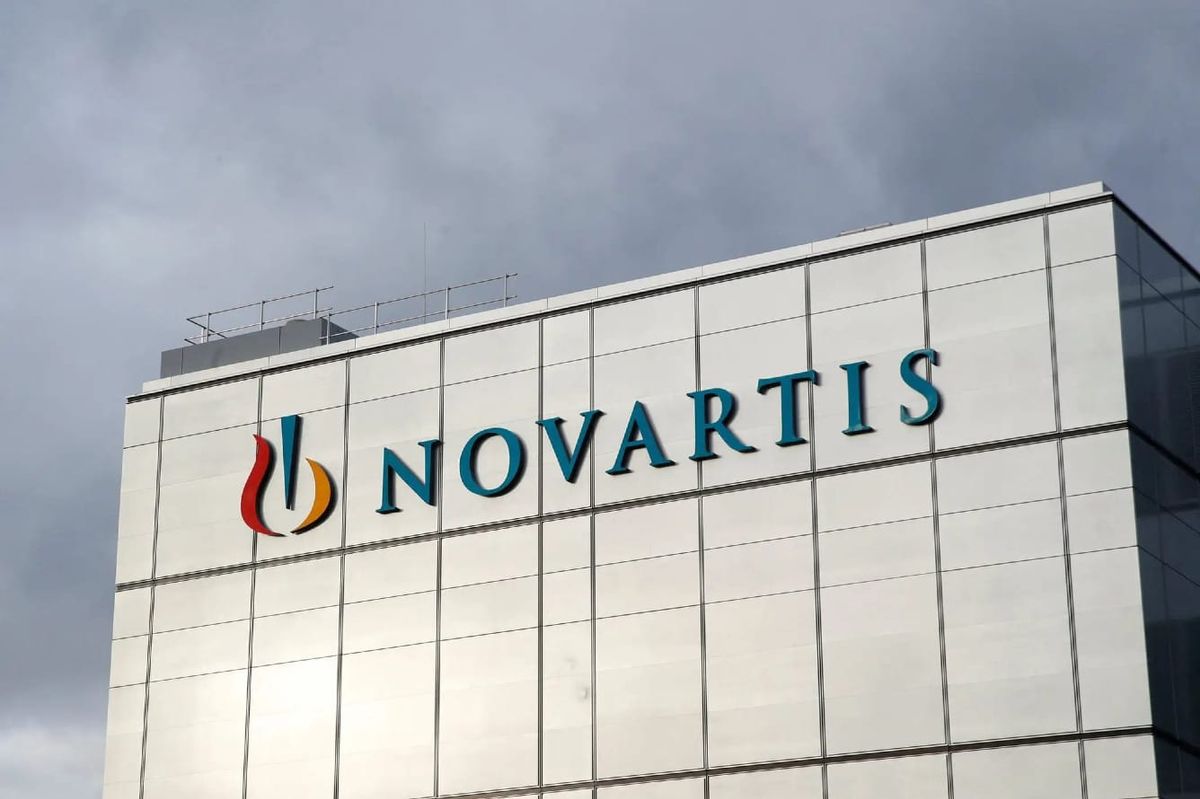
Novartis suffered a pair of major drug failures in late-stage trials, upending hopes for two key treatments and marking the Swiss drugmaker's third clinical setback in a week. Pelacarsen, designed to lower a cardiovascular risk factor called lipoprotein(a), successfully reduced Lp(a) levels but failed to prevent heart attacks, strokes, or cardiovascular deaths in the Phase 3 HORIZON study. The result challenges a core assumption in cardiology: that lowering Lp(a) alone can prevent major heart events. StatNews reported the setback prompted analysts to estimate low-single-digit percentage downside for Novartis, though most maintained positive ratings on the stock.
Separately, del-desiran, a treatment acquired through Novartis's $12 billion purchase of Avidity Biosciences, failed to significantly improve hand-opening speed in myotonic dystrophy type 1 patients compared to placebo in the Phase 3 HARBOR trial. Yahoo Finance reported Novartis shares fell 12.4% in premarket trading—their steepest decline in more than four months—though the stock remained up 14% year to date. Amgen, developing a rival Lp(a)-lowering drug, fell nearly 7% in after-hours trading.
Pelacarsen Misses on Cardiovascular Protection
Pelacarsen successfully lowered lipoprotein(a), a largely inherited risk factor that affects roughly one in five people, yet delivered no meaningful reduction in heart attacks, strokes, or cardiovascular deaths. Tippinsights noted the failure raises major questions for Novartis and its rivals investing in Lp(a) therapies. The drug had been projected to generate peak sales between $1.5 billion and $5.4 billion, with Novartis estimating the total market at over $5 billion annually.
Citi raised its Novartis price target to CHF 142 from CHF 132 and maintained a Buy rating, signaling confidence the company will recover. Analysts said the focus will now shift to four Phase 3 readouts expected in the second half of the year. StatNews reported BofA estimated only low-single-digit percentage downside to Novartis's net present value.
Del-Desiran Falls Short in Myotonic Dystrophy
Del-desiran, acquired as part of the Avidity Biosciences deal, failed to meaningfully improve hand-opening speed—a functional measure specifically affected by myotonic dystrophy type 1—compared to placebo in the HARBOR trial. Yahoo Finance reported the Phase 3 miss marked the company's second major trial collapse in days. Other measures in the trial showed potential activity, and safety remained consistent with earlier data.
The del-desiran setback was Novartis's third clinical failure in one week, following pelacarsen and a pause in autoimmune cell-therapy studies after three patient deaths. StatNews reported the company is reviewing all trial data while remaining committed to its target of 5% to 6% annual sales growth through 2030.
Market Reaction and Investor Confidence
Novartis shares opened down 3.9% to 12.4% premarket in Zurich, marking the steepest decline in over four months. Yahoo Finance reported that despite the setbacks, the stock's 14% year-to-date gain demonstrates investor confidence in the company's broader pipeline and long-term strategy. The failures underscore the high stakes and inherent risks in late-stage drug development.
Amgen bore collateral damage: StatNews reported the company's rival Lp(a)-lowering therapy saw its stock fall nearly 7% in after-hours trading as the market reassessed the entire asset class. Analysts now face uncertainty about whether any Lp(a)-lowering approach can translate into cardiovascular benefit.
Sentiment
Mostly NegativeNEGATIVENEUTRALPOSITIVE
Publishers
22
Articles
21
Reach
43
Topics
A
AnonymousAuthor


