Middle East Diplomatic Redeployment
US Embassies Across Middle East Prepare to Resume Staffing Amid Eased Security Measures
Key Points
Qatar is among the posts slated for higher staffing, joining Israel, Jordan, Lebanon, Saudi Arabia, Iraq, Kuwait, and Oman.
The redeployment is described as a cautious, security-posture–driven adjustment intended to advance U.S. foreign policy objectives while protecting personnel, i.e., a scaling back of emergency measures rather than a return to full normal operations.
The plan could begin as early as this week, with restaffing at various posts proceeding in the near term.
There was an earlier evacuation of nonessential embassy staff in Jerusalem and their families during the escalation, illustrating how far emergency measures had been scaled back prior to this redeployment.
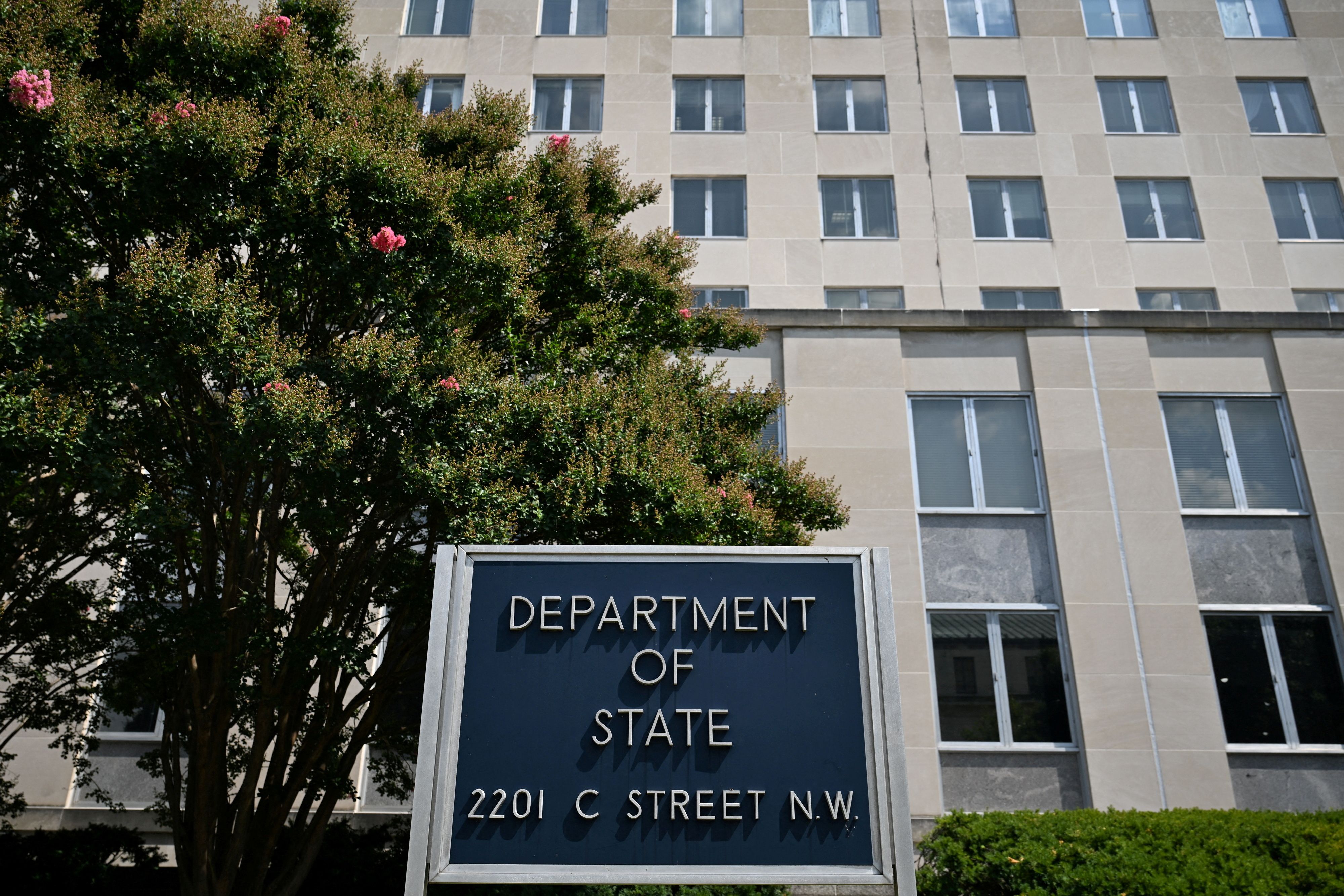
The Biden administration is preparing to send U.S. diplomats back to Middle East embassies that were evacuated during the Iran conflict, signaling growing confidence that the fighting is winding down. The New York Times reports that an internal State Department document indicates redeployment could begin as soon as this week, with planned staffing increases at posts in Israel, Jordan, Lebanon, Saudi Arabia, Iraq, Kuwait, Qatar, and Oman.
The move represents a cautious shift away from emergency measures rather than a full return to normal operations. Diplomats will redeploy in phases as security assessments permit, allowing the U.S. to advance foreign policy objectives while still protecting personnel in a region marked by ongoing tensions and stalled Iran negotiations.
Emergency Evacuations Prompted Earlier Pullback
The State Department had evacuated nonessential embassy staff and their families from Jerusalem and other posts during the earlier escalation of hostilities. This represented a significant retreat from normal diplomatic operations across the region. The new redeployment signals a recalibration of risk assessments nearly two weeks after those initial emergency measures took hold.
Staffing Returns Despite Ongoing Regional Tensions
Reuters and other outlets confirm the timeline and list the same set of missions slated for higher staffing levels. The decision to proceed comes despite stalled talks with Iran and continued volatility in the region. Each embassy will receive personnel in phases, with security officials evaluating conditions at each location separately.
The Trump administration has framed the redeployment as evidence of a perceived reduction in hostilities. Officials see the return of diplomats as proof that the immediate crisis has eased enough to resume regular diplomatic work, though emergency protocols remain partially in place.
Seven Embassies Targeted for Immediate Restaffing
The U.S. plans to increase staffing at embassies in Israel, Jordan, Lebanon, Saudi Arabia, Iraq, Kuwait, Qatar, and Oman. Each post will receive additional Foreign Service officers based on its specific security situation. The rollout is intentionally gradual to ensure no single embassy is overwhelmed if conditions deteriorate.
This phased approach reflects the State Department's effort to balance diplomatic presence with personnel safety. Officials will continue monitoring the security landscape daily. Any worsening of regional conditions could pause or reverse the redeployment at any embassy.
Scaling Back From Crisis Mode to Cautious Normalcy
The redeployment is not a return to full normal operations but rather a measured step forward. State Department officials describe it as a reduction of emergency staffing levels rather than a wholesale restoration of pre-crisis personnel levels. Some diplomatic functions may remain reduced or rotational even as more staff returns.
Sentiment
Mostly NegativePublishers
10
Articles
81
Reach
91