Korea Faces Typhoon Bavi
Typhoon Bavi approaches Korean Peninsula, prompting vigilance and flood warnings in both Koreas
Anonymous
Key Points
1
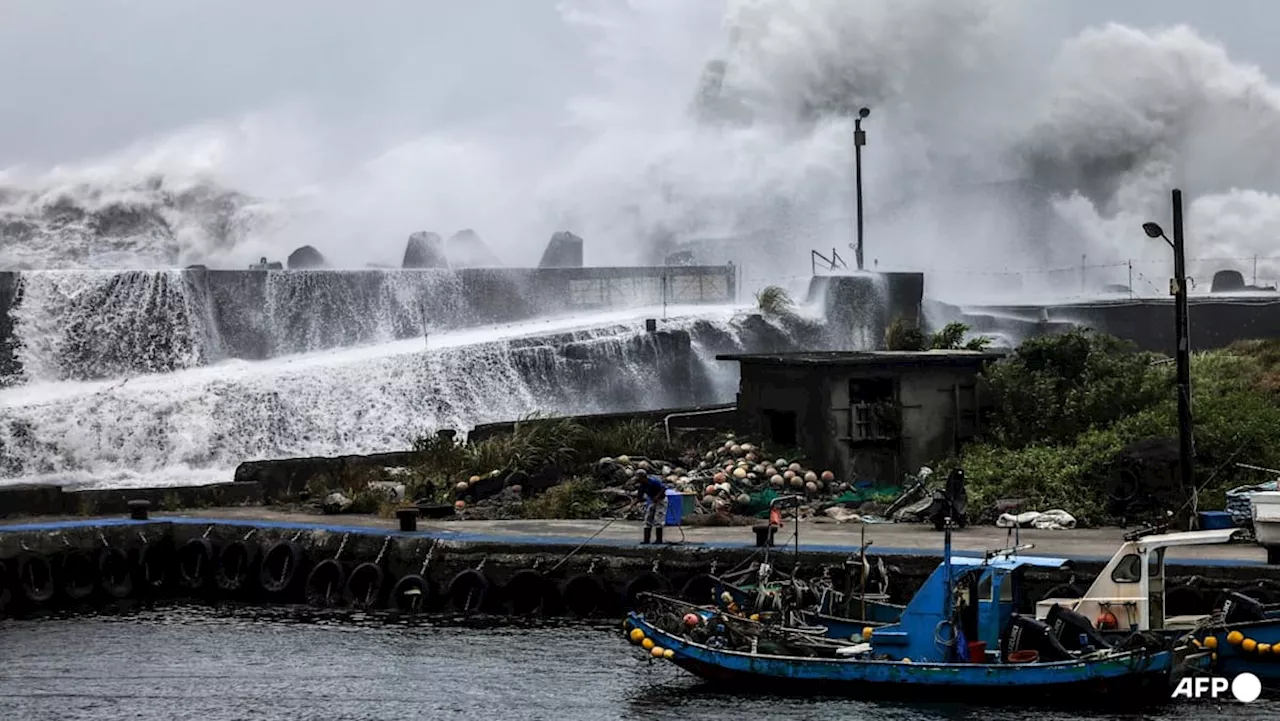
Typhoon Bavi is already affecting Taiwan’s northeast coast, with waves crashing over breakwaters in Yilan as it moves toward the region.
2
In central Chungcheong province, hundreds of residents have evacuated or been stranded by flooding as authorities brace for more rain.
3
Forecast rainfall rates include 30 to 60 millimetres per hour in some areas, adding to the wide 80-120 mm northern/central and 150-200 mm southern totals.
4
Climate context notes the El Niño pattern returning this year, which is linked to increased frequency and intensity of extreme weather events like Typhoon Bavi.
5
A man in his 70s was reported missing after being swept away by a swollen river in the Gyeongsang region amid floods related to the typhoon.
North Korea is bracing for Typhoon Bavi, with leader Kim Jong Un ordering officials to maintain "maximum vigilance" as the storm barrels toward the peninsula, according to BSS News. The typhoon is expected to weaken into a low-pressure system before crossing the Korean Peninsula's central region via the Yellow Sea between Tuesday and Wednesday.
Forecasters warn of 80–120 millimetres of rain in northern and central areas, and 150–200 millimetres in the south. Wind speeds of 10–15 metres per second are expected along the west coast and inland, raising fears of flooding and power outages, Free Malaysia Today reported.
Kim Jong Un Puts North Korea on High Alert
Kim Jong Un personally called for "maximum vigilance" across North Korea's government and workforce, according to BSS News. The country's weather agency and disaster-prevention channels have been activated to coordinate responses ahead of the storm's arrival.
North Korea faces particular risk due to aging infrastructure and a weak economy that limits its ability to recover from disasters. Authorities have urged communities near the west coast and low-lying inland areas to take the strongest precautions before Bavi makes landfall.
Taiwan and South Korea Already Battered by Bavi
Typhoon Bavi first struck Taiwan's northeast coast, where waves crashed over breakwaters in Yilan as the storm moved north, Head Topics reported. The images showed the storm's power well before it reached the Korean Peninsula.
South Korea has also been hit hard. In central Chungcheong province, hundreds of residents evacuated or became stranded as floods spread. In the Gyeongsang region, a man in his 70s was reported missing after being swept away by a swollen river. Some areas saw rainfall rates of 30–60 millimetres per hour.
Climate Change and El Niño Push Storm Risk Higher
Scientists say the return of the El Niño weather pattern this year is linked to more frequent and more intense storms like Typhoon Bavi. El Niño is a natural warming of Pacific Ocean waters that can supercharge tropical weather systems, according to BSS News.
Experts warn that climate change is making extreme weather events worse across the Korean Peninsula and broader Asia. The combination of El Niño and a warming climate raises the long-term risk to communities and infrastructure throughout the region.
What Comes Next as the Storm Crosses the Peninsula
Bavi is set to cross the peninsula's central region as a weakened low-pressure system, but officials warn that does not mean the danger is over. Heavy rain totals will continue to pile up, and flood risk will remain high through Wednesday, Head Topics reported.
Both North and South Korean authorities have urged residents to stay alert until the storm fully passes. Missing persons cases linked to floodwaters have already been reported on the southern side of the border, underscoring how quickly conditions can turn deadly even for a weakening storm.
Sentiment
Mostly NegativeNEGATIVENEUTRALPOSITIVE
Publishers
11
Articles
11
Reach
22
Topics
A
AnonymousAuthor


