Euro Area Payment Evolution
ECB Survey Reveals Crypto Payments Marginal as Mobile Wallets Gain Traction in Euro Area
Key Points
Acceptance of bank checks fell from 36% in 2024 to 27% in 2026 among euro area businesses, signaling a continued decline of traditional paper payments.
Mobile payments at physical locations are projected to rise from 36% in 2024 to 68% by 2026, highlighting rapid shift toward instant payments and digital wallets.
Businesses identified consumer preference (26%), security (22%), and ease of handling (15%) as the top criteria when deciding which payment methods to accept by 2026.
Cash acceptance at points of sale remains high, rising from 90% in 2024 to 92% in the latest data, underscoring its persistent role alongside digital payments.
The ECB survey spans a broad mix of sectors across 21 euro-area countries, including retailers, restaurants and cafes, hotels, and cultural/entertainment companies.
Crypto payments are barely a blip in the euro area. A new European Central Bank survey found that only 0.2% of online businesses accept crypto assets, while fewer than 1% of physical stores take them at the register, according to CoinTelegraph and Bloomingbit.
The ECB surveyed 8,205 businesses across 21 euro-area countries between February 23 and April 10, using research firm Ipsos. The results paint a clear picture: crypto and stablecoins have almost no foothold in everyday European commerce.
Crypto Lags Far Behind Every Other Payment Method
Among all payment methods tracked by the ECB, crypto ranks last. Cash acceptance at physical stores sits at 92%. Physical card acceptance is at 88%. Even checks, which are fading fast, beat crypto. By contrast, crypto acceptance at point-of-sale terminals remains below 1%, according to Crypto Economy.
Online, the picture is just as stark. Only 0.2% of euro-area e-commerce sellers accept digital assets. That figure has not shown meaningful growth, signaling that merchants see little demand from customers to offer crypto as a checkout option, Head Topics reported.
Mobile Wallets and Instant Payments Are Taking Off
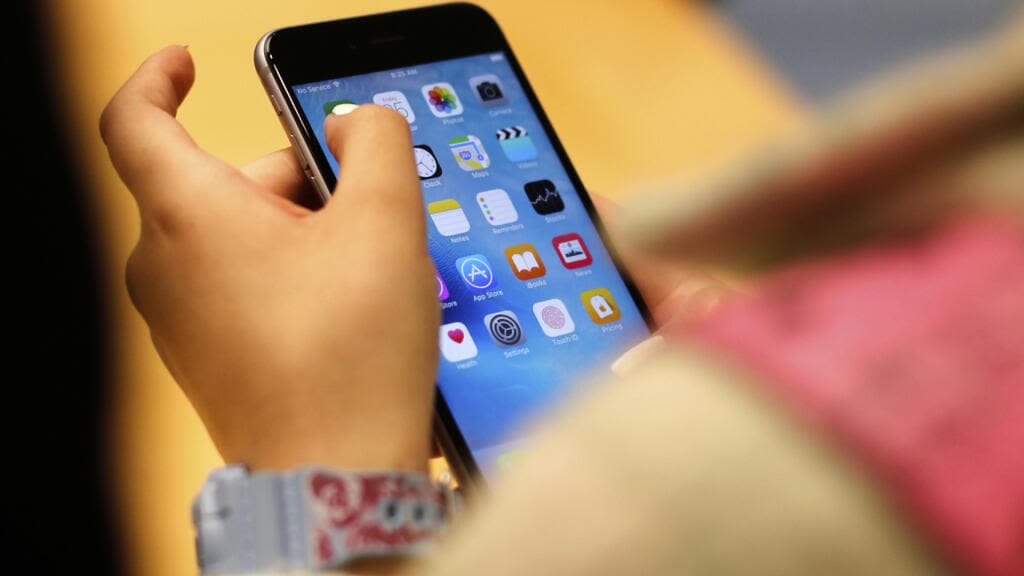
While crypto stalls, digital wallets are surging. Mobile payment acceptance at physical stores is projected to jump from 36% in 2024 to 68% by 2026. That is nearly a doubling in two years. Tools like Apple Pay and Google Pay, powered by instant payment rails, are driving this shift, according to Bloomingbit.
Cash is not going away, either. Acceptance at physical locations actually rose slightly, from 90% in 2024 to 92% in the latest data. Cash and mobile payments appear to be growing together, while older formats like checks continue to lose ground.
Checks Keep Fading as Business Habits Shift
Bank check acceptance dropped sharply, falling from 36% in 2024 to a projected 27% by 2026 among euro-area businesses. That is a decline of nearly 10 percentage points in just two years. The trend reflects a broad move away from paper-based payments across Europe, Crypto Economy noted.
Businesses are making these choices based on clear priorities. When asked what drives payment method decisions, 26% of firms cited consumer preference, 22% pointed to security, and 15% named ease of handling. These factors help explain why proven, familiar options keep winning over newer alternatives like crypto, according to CoinTelegraph.
ECB Survey Feeds Into Bigger Digital Euro Push
The survey is not just a snapshot. It is part of the ECB's ongoing work on a digital euro — a central bank digital currency meant to complement cash. The ECB wants to understand how businesses currently handle payments before launching a new form of public money, Bloomingbit reported.
The survey covered a wide mix of sectors, including retailers, restaurants, hotels, and entertainment companies across 21 countries. The results suggest that any future digital euro would enter a market already moving fast toward mobile and instant payments — and leaving crypto well behind.
Sentiment
Mostly NegativePublishers
10
Articles
7
Reach
17