Hormuz Conflict Intensifies
US and Iran Exchange Strikes for Sixth Night Amid Escalating Strait of Hormuz Conflict
Anonymous
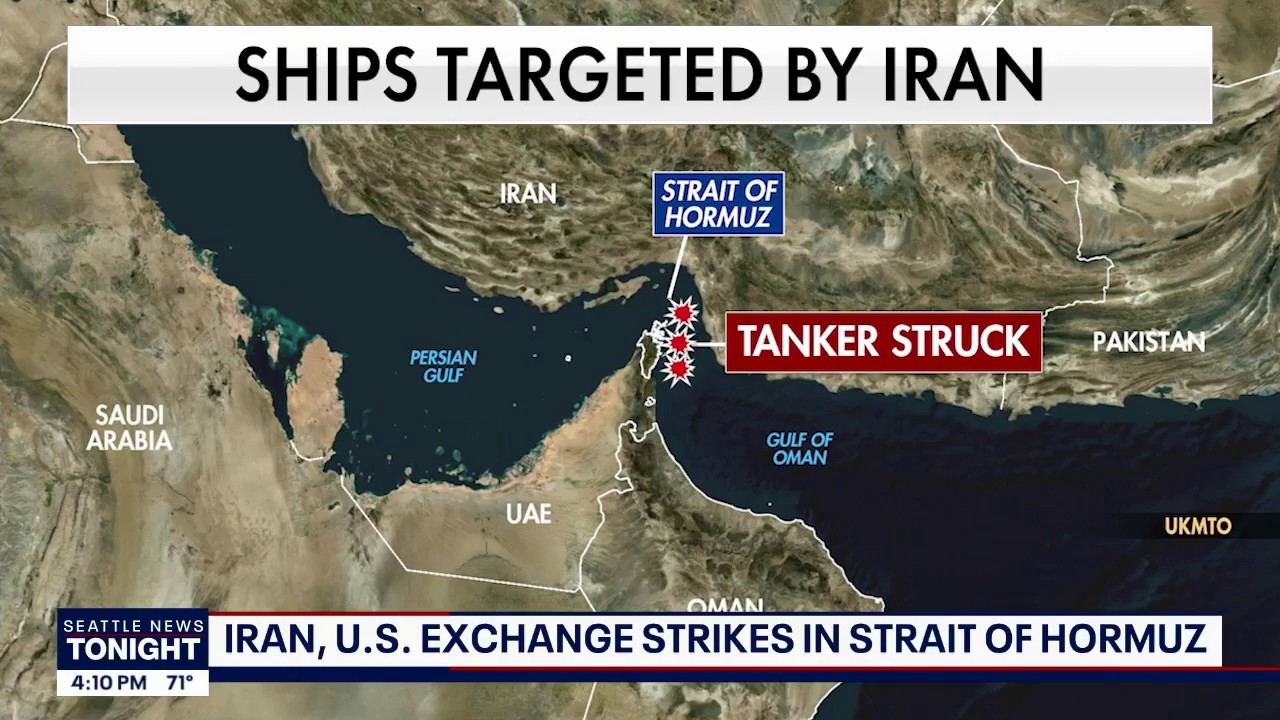
The United States and Iran are trading military strikes over the Strait of Hormuz, the narrow waterway through which roughly 20% of the world's oil flows. WLWT reported that U.S. Central Command completed its seventh consecutive night of strikes, hitting dozens of Iranian military targets. Iran has retaliated, including by targeting Qatar — a key mediator working to end the conflict.
The fighting has now stretched more than four months. At least 46 people have been killed and over 400 wounded in U.S. military strikes, according to KCRA. An interim ceasefire has collapsed, and no clear path to peace is in sight.
Seven Straight Nights of U.S. Strikes on Iran
U.S. Central Command has now carried out strikes for seven nights in a row. KSBW reported the strikes hit infrastructure and military targets across Iran. The U.S. also reinstated a naval blockade on Iranian ports, cutting off key supply lines. Iran has responded with its own attacks on American and allied positions in the region.
The focus of the battle is control of the Strait of Hormuz. Whoever controls the strait controls a critical chokepoint for global oil shipments. Both sides are fighting to gain the upper hand there, according to WAPT.
Iran Hits Qatar, a Mediator Caught in the Crossfire
Iran struck Qatar as part of its retaliation against the U.S. That is significant because Qatar has been acting as a go-between, trying to negotiate an end to the war. Targeting Qatar suggests Iran is willing to punish countries that help its enemies, according to WBAL-TV.
Qatar's role as a mediator is now in serious jeopardy. Diplomats had been working to save a deal to stop the fighting this week. Those efforts have so far failed, WMUR reported. With no ceasefire in place, the conflict shows no sign of ending soon.
A Tanker Attacked as Shipping Lanes Come Under Threat
The conflict is spilling into international waters. British military officials reported that a tanker came under attack in the region, WESH reported. Tankers carry oil through the Strait of Hormuz every day. Any disruption to those ships threatens global energy supplies and could send oil prices sharply higher.
The U.S. naval blockade on Iranian ports adds more pressure. Iran depends on oil exports for income. Cutting off those exports is meant to squeeze Tehran. But Iran's strikes show it is willing to hit back hard, according to WLKY.
46 Dead, No Ceasefire, and a War With No Clear End
The human cost keeps rising. At least 46 people have been killed and more than 400 wounded since the war began over four months ago, according to 4029TV. The collapse of the interim ceasefire leaves both sides locked in a cycle of strikes and counter-strikes.
Diplomats are still trying to prevent the conflict from getting worse. But efforts to reach a new deal have not succeeded. With the U.S. and Iran both striking targets and neither side backing down, the path to peace remains very hard to see, KCRA reported.
Sentiment
NeutralNEGATIVENEUTRALPOSITIVE
Publishers
9
Articles
9
Reach
9
A
AnonymousAuthor