ICE Officer Bond
ICE Officer Charged in Minnesota Shooting Released on Bond
Anonymous
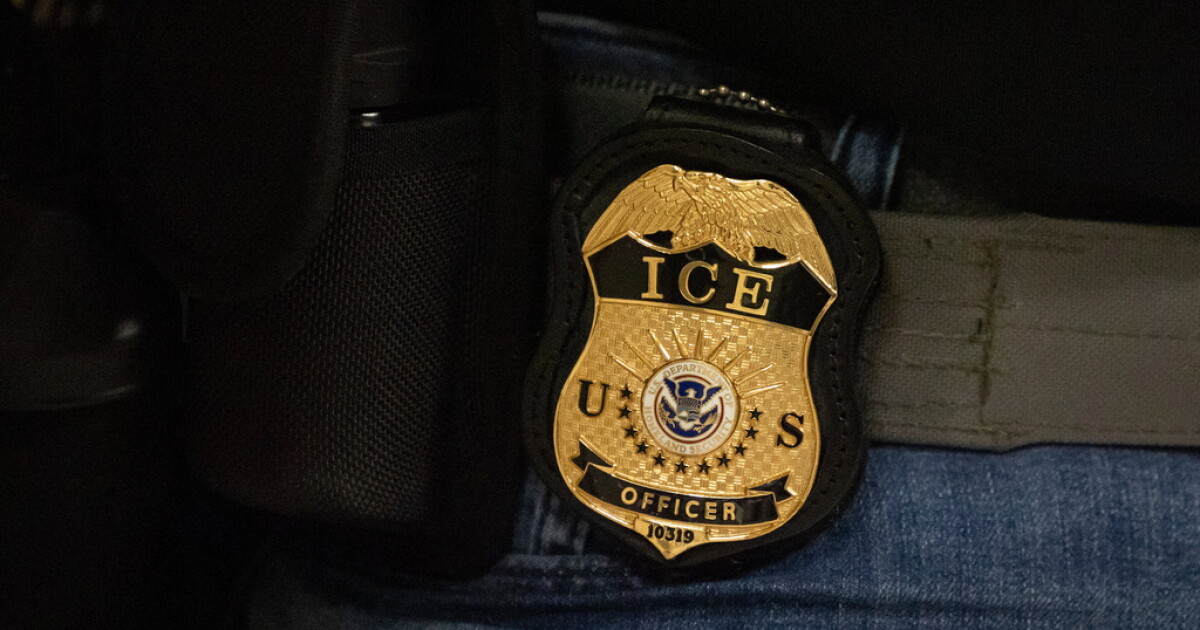
Christian Castro, a U.S. Immigration and Customs Enforcement officer, has been released on a $75,000 unsecured bond after being charged with lying to investigators about a shooting. TMJ4 reports that Castro told authorities he shot Venezuelan man Julio Cesar Sosa-Celis in self-defense after being attacked with a broom and shovel. The federal indictment disputes this account, marking the first Justice Department prosecution of a federal officer tied to Operation Metro Surge.
The case has exposed internal friction at the Justice Department. WCPO reported that prosecutors wanted to bring more serious civil rights charges but said higher-ups blocked those efforts. Castro was released with a GPS ankle monitor as the controversial immigration enforcement operation continues to draw scrutiny.
The Shooting and the False Account
Castro allegedly shot Sosa-Celis during an immigration enforcement action. He told investigators that the Venezuelan man attacked him with tools, forcing him to fire his weapon and injure Sosa-Celis. KIVI states the federal indictment challenges this version of events, claiming Castro fabricated the details of the attack to justify the shooting.
Lying to federal investigators is a serious federal crime. The charge reflects concerns that Castro's account does not match evidence gathered during the investigation. This marks a significant moment where the Justice Department is prosecuting one of its own.
Operation Metro Surge's Troubled Track Record
Operation Metro Surge, the immigration enforcement campaign that led to Castro's charged actions, has already produced deadly results. News5 Cleveland reports the operation caused the fatal shootings of two United Kingdom citizens by federal officers. These deaths sparked protests and widespread arrests.
The operation has become increasingly controversial with each incident. Castro's case is the first prosecution of a federal officer for actions taken during this operation. Legal experts see it as a watershed moment in federal accountability.
Internal Conflict Over Civil Rights Charges
KTNV reported that Justice Department prosecutors wanted to charge Castro with civil rights violations, a more serious charge than lying to investigators. However, higher-ranking officials blocked these efforts, according to sources familiar with the case. This internal disagreement reveals tension over how aggressively to pursue federal officers.
The reduced charges suggest the Justice Department may be limiting accountability. Civil rights violations carry stricter penalties than false statements to authorities. The decision to charge only lying marks a compromise that has frustrated some prosecutors working the case.
What Comes Next for Castro
Castro must wear a GPS ankle monitor while the case proceeds through federal court. His $75,000 unsecured bond means he does not have to pay money upfront but faces financial penalties if he fails to appear. WKBW noted that federal officers rarely face prosecution, making this case particularly notable.
The case will likely set a precedent for how the Justice Department handles allegations against its own federal officers. If convicted, Castro faces up to five years in prison for the lying charge alone. Civil rights groups are watching closely to see if the Justice Department will pursue stronger accountability measures.
Sentiment
NeutralNEGATIVENEUTRALPOSITIVE
Publishers
17
Articles
17
Reach
17
A
AnonymousAuthor


