Fed Rate Standoff
Federal Reserve Holds Rates Steady Amid Split Vote, Warsh Signals Future Hike Possibility
Anonymous
Key Points
1
The dissents came from the presidents of the Cleveland (Beth Hammack), Minneapolis (Neel Kashkari), and Dallas (Lorie Logan) Fed banks, with those three officials having previously signaled openness to rate increases in a prior meeting.
2
Chairman Warsh stressed that there is no 'magic wand' to cure inflation quickly and proclaimed, 'This Fed will not waver,' while acknowledging that if inflation remains elevated rates could be part of the solution—though not the sole tool.
3
The Fed reiterated that the economy was expanding at a solid pace with job gains keeping up with the workforce and unemployment remaining little changed, underscoring a resilient but uncertain inflation path.
4
Inflation pressures were linked to external factors, including Middle East–related higher fuel and food prices, Iran-related energy price pressures, and AI-driven investment fueling demand for capital goods, with tariffs also cited as a contributing force in broader inflation.
The Federal Reserve held its benchmark interest rate steady at 3.50%–3.75% on July 29, 2026, but the decision came with a rare warning sign: three regional bank presidents voted to raise rates immediately. It was the first three-way dissent in the same direction since September 2016, according to StocksBNB. The split vote sent the Dow Jones tumbling more than 1,100 points and pushed the 30-year Treasury yield to 5.23%, a 19-year high.
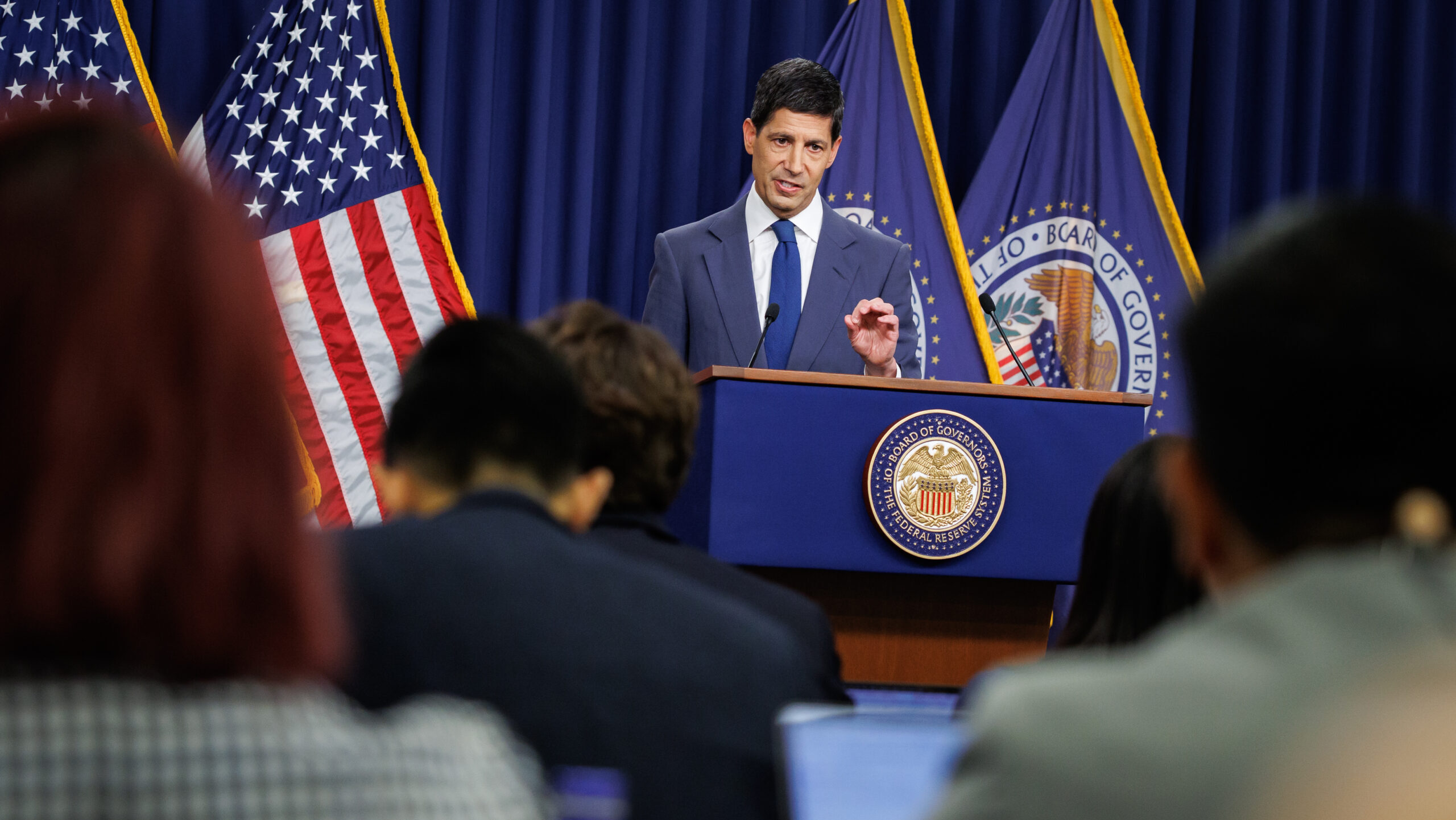
Fed Chair Kevin Warsh called the internal divide a "good family fight" but offered investors little clarity on what comes next, according to Jamaica Gleaner. Bond markets were not reassured. The 30-year Treasury yield surged 14 basis points during Warsh's press conference alone, signaling that investors are losing confidence in the Fed's ability to tame inflation that has stayed above the 2% target for more than five years.
Three Fed Presidents Break Ranks for a Rate Hike
Cleveland's Beth Hammack, Minneapolis's Neel Kashkari, and Dallas's Lorie Logan all voted for a 25-basis-point increase — meaning a hike to 3.75%–4.00%. The final tally was 9–3 in favor of holding, according to StocksBNB. All three dissenters had previously signaled openness to higher rates at an earlier meeting. Logan had argued publicly that inflation had stayed "too high, for too long."
Historical patterns suggest the dissenters could get their way soon. The last time three FOMC members broke in the same direction was September 2016 under Chair Janet Yellen. That committee delivered the hike the dissenters wanted within three months, according to WSWS. Market odds for a September rate hike stood at roughly 55%–57% immediately after the announcement, down from 76% earlier in the week.
War, AI Spending, and Tariffs Keep Inflation Stuck Above 2%
Headline PCE inflation hit 4.07% in May 2026, up sharply from 2.88% in January. The Fed pointed to several forces keeping prices high. A war in Iran that started in March 2026 has pushed U.S. gas prices back above $4.00 per gallon. Brent crude spiked 7.9% to $90.74 per barrel on the day of the Fed's decision alone. Federal tariffs have also added pressure to consumer goods and supply chains, according to Archy Netys.
On top of energy shocks, a boom in AI data center construction is driving massive demand for capital goods and keeping the labor market tight. The Fed noted that job gains are keeping pace with workforce growth and unemployment remains little changed. That strong economy makes it harder to cool prices. Warsh acknowledged the problem plainly: "There is no magic wand" to lower inflation quickly.
Bond Markets Punish Warsh for Scrapping Forward Guidance
Unlike past Fed chairs, Warsh has eliminated forward guidance entirely — the practice of signaling future rate moves in advance. He cut the FOMC statement to a single page at his first meeting in June 2026. The strategy forces markets to react to raw data rather than Fed promises. Critics say it creates dangerous volatility, according to The Daily Upside.
The bond market delivered a harsh verdict on July 29. The 30-year Treasury yield peaked at 5.23%, its highest since 2007. One fixed-income analyst said the steepening yield curve showed markets "openly questioning" Warsh's inflation-fighting credibility. The Daily Upside noted that bond investors are worried the Fed is falling behind and that long-term inflation expectations could become unmoored — a nightmare scenario for borrowers already paying high rates on mortgages, car loans, and credit cards.
Warsh Vows No Retreat, but Borrowers Feel the Squeeze
Warsh was direct at his press conference. "This Fed will not waver," he said, adding that "63 months of inflation above target has been an unfair burden" on American families. He warned that if inflation stays elevated, higher rates "could be part of the solution" — though not the only tool. President Trump, who appointed Warsh, publicly pushed back, saying the Fed chair "would love to see lower interest rates," according to Jamaica Gleaner.
For everyday borrowers, the hold brings no relief. Mortgage rates, credit card rates, and auto loan rates all stay at restrictive levels. Progressive economists argue Trump's own tariff and foreign policy decisions helped stoke the inflation the Fed is now fighting. The Dow's 1,100-point drop on the day of the decision shows just how much uncertainty surrounds the path ahead, according to WSWS.
Sentiment
Mostly NegativeNEGATIVENEUTRALPOSITIVE
Publishers
63
Articles
316
Reach
379
A
AnonymousAuthor


