Fiscal Realities and Constraints
The US National Debt Reaches $40 Trillion as Congress Faces Difficult Fiscal Choices
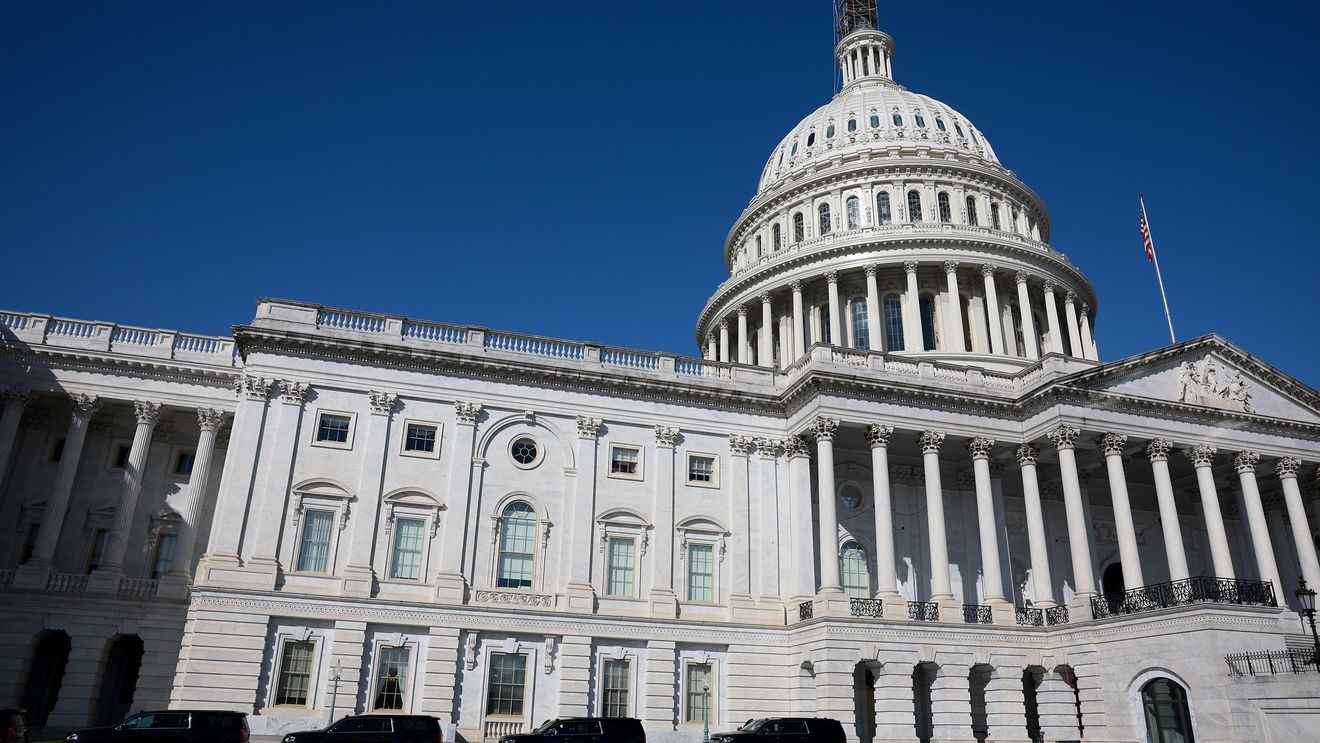
The United States national debt has crossed $40 trillion for the first time, marking a financial milestone that reflects decades of spending choices lawmakers have avoided reversing News Sources. The government is running an annual deficit of roughly $2 trillion and has not balanced its budget since the Clinton administration ended in 2001. Fixing the crisis means Congress must make politically toxic decisions: raise taxes, cut popular programs like Social Security and Medicare, or both.
Why the Debt Exploded to $40 Trillion
Two major forces drove the debt higher. First, Congress passed massive tax cuts, especially in 2017, that reduced government revenue WACH. Second, lawmakers approved enormous spending bills during the COVID-19 pandemic to keep the economy from collapsing.
Neither tax cuts nor pandemic spending were matched with cost cuts elsewhere. The government simply borrowed the difference. Interest payments on the debt now eat up federal resources that could fund schools, roads, or other priorities.
Social Security and Medicare Keep Getting More Expensive
America's population is aging. Fewer workers support each retiree, so costs for Social Security and Medicare climb automatically each year KATU. These two programs alone drive much of the projected deficit growth over the next decade.
Cutting these programs is politically radioactive. Both parties rely on senior voters. Raising the age for benefits or trimming payments would anger millions. Yet without changes, these programs will consume an ever-larger share of the federal budget KOMO News.
Interest Costs Are Becoming the Real Crisis
The government will spend more than $1 trillion on interest payments this year alone KTUL. That is money that vanishes without funding a single soldier, teacher, or road. As deficits grow, interest costs grow faster because the debt gets larger.
Higher interest rates make this worse. If rates keep rising, the government will pay even more to borrow. Within 10 years, interest costs could rival military spending. Soon, it could become the largest line item in the entire federal budget WSET.
The Unpopular Choices Voters Will Face
Congress has three options: raise taxes, cut spending, or do both. Polls show voters oppose each option News3LV. Americans want low taxes and high benefits simultaneously—a combination that is mathematically impossible.
Solving this requires political courage. Lawmakers must either tell seniors their benefits will shrink, tell workers their taxes will rise, or do some of each. Every year Congress waits, the problem gets steeper and the required changes more painful CBS Austin.
Sentiment
NeutralPublishers
8
Articles
7
Reach
8