Biotech Acquisition Targets Cancer
Novartis Acquires UK Biotech Myricx Bio for Up to $1.5 Billion, Enhancing Cancer Drug Pipeline
Anonymous
Key Points
1
The deal includes up to $400 million in milestone payments in addition to the $1.1 billion upfront, for a total potential value of up to $1.5 billion.
2
N-myristoyltransferase (NMT) is an enzyme that plays a key role in cancer cell growth and survival; Myricx’s NMTi payloads aim to disrupt essential cellular processes, with preclinical data suggesting broad activity across solid tumors.
3
Myricx Bio’s USD114 million (£90 million) Series A in 2024 was co-led by Novo Holdings and Abingworth and included seed investors such as Brandon Capital and Sofinnova Partners, with participation from British Business Bank, Cancer Research Horizons and Eli Lilly Ventures.
4
Myricx Bio originated as a spinout from Imperial College London and the Francis Crick Institute, with seed funding in 2019 from Sofinnova Partners and Brandon Capital, among others.
5
Brandon Capital’s exit from Myricx Bio is described as the firm’s seventh exit in three years, with the deal valued at up to $1.5 billion and proceeds expected to benefit Brandon Capital’s investors such as Hostplus, HESTA, Aware Super, CSL and QIC.
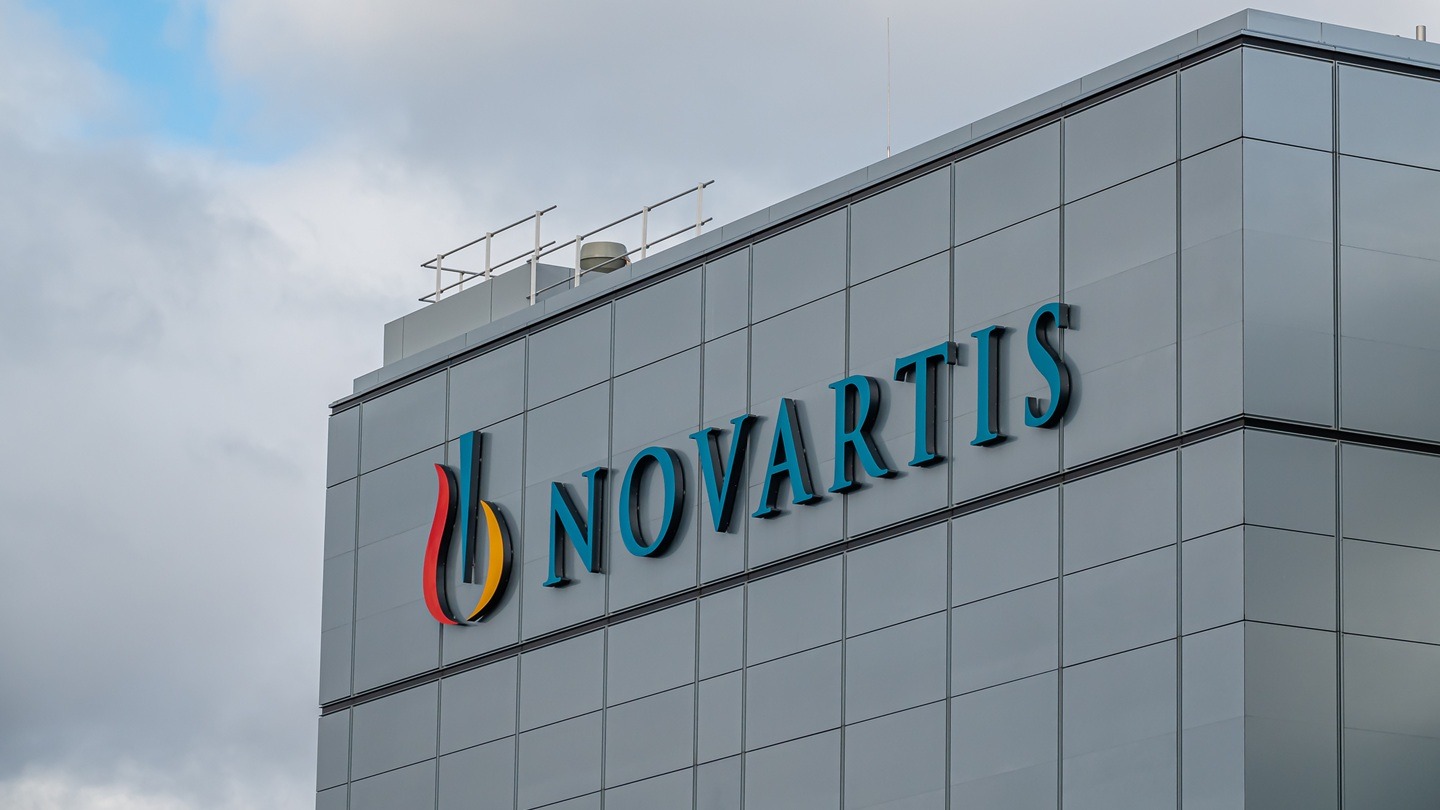
Novartis has agreed to buy UK-based biotech Myricx Bio for up to $1.5 billion, paying $1.1 billion upfront and holding back up to $400 million in milestone payments, according to Yahoo Finance. The deal gives the Swiss drugmaker a next-generation platform for antibody-drug conjugates — a fast-growing class of cancer treatments that deliver toxic payloads directly to tumor cells.
The acquisition is expected to close in 2026, pending regulatory approvals. Endpoints News reported that Novartis committed the $1.1 billion upfront to secure Myricx's cutting-edge ADC technology, which the company sees as a key weapon in its oncology arsenal.
What Makes Myricx Bio's Cancer Technology Different
Myricx Bio is built around a novel type of ADC payload using NMTi technology. NMT stands for N-myristoyltransferase — an enzyme that cancer cells need to grow and survive. Myricx's drugs block this enzyme, disrupting essential processes inside tumor cells. Preclinical data suggests this approach works across a wide range of solid tumors, according to Pharmaceutical Business Review.
Current ADC payloads face real limits — they can be toxic to healthy tissue and lose effectiveness over time. Myricx's NMTi platform aims to solve both problems. The company has two lead drug candidates: one targeting B7-H3 and one targeting HER2 — two proteins commonly found on the surface of cancer cells.
From Imperial College Spinout to $1.5 Billion Exit
Myricx Bio started as a spinout from Imperial College London and the Francis Crick Institute. It received its first funding in 2019 from Sofinnova Partners and Brandon Capital. In 2024, the company raised a $114 million Series A round — co-led by Novo Holdings and Abingworth — with backing from Eli Lilly Ventures, Cancer Research Horizons, and the British Business Bank, according to Yahoo Finance.
For Brandon Capital, this exit is its seventh in three years. The Australian venture firm said proceeds from the Novartis deal will flow to its investors, which include superannuation funds Hostplus, HESTA, and Aware Super, as well as CSL and QIC. The deal underlines growing global appetite for UK and Australian biotech innovation.
Novartis Bets Big on ADCs to Fight Solid Tumors
Novartis is racing to expand its cancer drug pipeline. Antibody-drug conjugates have become one of the hottest areas in oncology, with billions of dollars flowing into the space. By buying Myricx, Novartis gets a platform it can apply across multiple tumor types, rather than a single drug asset, according to TipRanks.
Despite the strategic rationale, Novartis shares fell after the deal was announced, TipRanks noted. That reaction is common when a big pharma company makes a large upfront cash commitment. Still, analysts see the move as consistent with Novartis's broader push to build out oncology through targeted acquisitions rather than internal research alone.
Deal Timeline and What Comes Next
The transaction is subject to customary regulatory reviews and is expected to close sometime in 2026, according to Bazaar Times. Once complete, Myricx's team and platform will be integrated into Novartis's oncology operations. The milestone payments — worth up to $400 million on top of the $1.1 billion upfront — will depend on how the drug candidates perform in clinical trials.
The deal signals that large pharmaceutical companies still see acquisitions as the fastest way to access breakthrough science. Myricx's NMTi platform, built over six years from an academic lab to a $1.5 billion exit, is now set to be tested at the scale only a company like Novartis can provide.
Sentiment
Mostly PositiveNEGATIVENEUTRALPOSITIVE
Publishers
22
Articles
248
Reach
270
A
AnonymousAuthor


