Supreme Court Merger Challenge
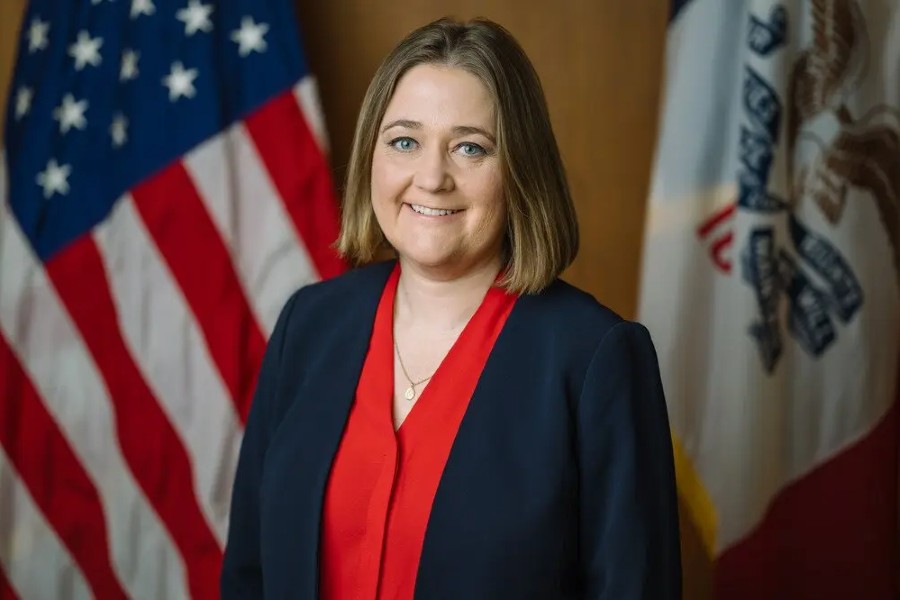
Iowa Attorney General Urges Supreme Court Review of Paramount and Warner Bros Merger
Anonymous
Key Points
1
Bird notes that Paramount faces a $7 million-a-day ticking fee and would begin paying WBD shareholders starting October 1 if the multistate challenge proceeds.
2
Bird emphasizes that 12 states joined the suit while 38 states reviewed the evidence and chose not to challenge, implying a potential nationwide impact.
3
Variety reports it is unclear whether Bird has filed any papers with the Supreme Court to pursue original jurisdiction, despite the op-ed urging it.
4
Deadline coverage discusses a possible constitutional path under Article III, Section 2 and the prospect of using the Supreme Court's emergency or shadow docket, noting the Court's next session begins in October.
5
The articles reference a March 2, 2027 trial date in Oakland related to the Paramount-WBD dispute.
Iowa and Montana are asking the U.S. Supreme Court to block California and 11 other states from blocking Paramount's $110.8 billion merger with Warner Bros. Discovery. Media Play News reports that Iowa Attorney General Brenna Bird filed the motion, arguing that California is overstepping its authority by acting as a national regulator. Bird claims the deal could save consumers $6 billion and boost competition in streaming, while Paramount faces a $7 million daily penalty if the lawsuit continues.
The legal battle highlights a split among U.S. states. Cosmic Book News notes that only 12 states joined the antitrust challenge, while 38 others reviewed the case and chose not to sue. Bird argues the dispute belongs in the Supreme Court because it pits states against each other. A trial in Oakland is scheduled for March 2, 2027.
Why Iowa Says California Is Abusing Its Power
Bird contends that California's lawsuit functions like a national ban on the merger, even though the state lacks that authority. The Wrap reports she labeled the challenge "politicized," suggesting it serves political goals rather than consumer protection. Bird argues only the Supreme Court can resolve disputes between states over commerce. The issue centers on who gets to decide big mergers — individual states or federal courts.
The Financial Pressure Behind the Standoff
Paramount faces intense financial pressure from the lawsuit delay. Media Play News reports the company pays $7 million per day in ticking fees while the case drags on. If the multistate challenge proceeds, Paramount must pay Warner Bros. Discovery shareholders starting October 1. These costs mount quickly — a year-long delay could cost Paramount billions and force the deal to collapse.
Benefits Paramount Promises to Consumers
Bird emphasizes what the merger could deliver. Media Play News reports Paramount committed to releasing 30 theatrical films annually, preserving movie competition. Bird also argues the combined company would reduce streaming costs for families. She points to the $6 billion in projected savings, suggesting these gains outweigh any antitrust concerns. The debate ultimately asks: should courts block a deal that promises lower prices and more entertainment options?
A Constitutional Path Forward Remains Unclear
Cosmic Book News reports it remains unclear whether Bird has actually filed formal papers with the Supreme Court seeking original jurisdiction — the power to hear the case directly without lower court review. Legal experts debate whether Article III, Section 2 of the Constitution provides a pathway. The Supreme Court's next session begins in October, leaving a narrow window to act before Paramount's October 1 payment deadline.
Sentiment
Mostly NegativeNEGATIVENEUTRALPOSITIVE
Publishers
13
Articles
30
Reach
43
A
AnonymousAuthor


