South Africa's Xenophobia Crisis
South Africa Sees Spreading Xenophobic Protests as Mobs Seize Immigrants Door-to-Door
Anonymous
Key Points
1
One detainee, Total Mhlanga, told Reuters 'I am a ZEP holder,' highlighting that even legally permitted residents were being targeted during the door-to-door actions.
2
The protests are led by Jacinta Ngobese-Zuma, a former radio presenter, whose group March and March has vowed weekly demonstrations and has signaled door-to-door searches.
3
Flyers for Thursday actions advertised a 'peaceful march' followed by 'door to door' searches in places like Soweto, signaling a broad strategy beyond Johannesburg.
4
Doctors Without Borders/Médecins Sans Frontières (MSF) warned that refugees, asylum seekers and even documented migrants were being affected, launching an emergency response to disrupted healthcare.
5
There are reports that some participants have used machetes during these door-to-door actions, illustrating the level of violence accompanying the protests.
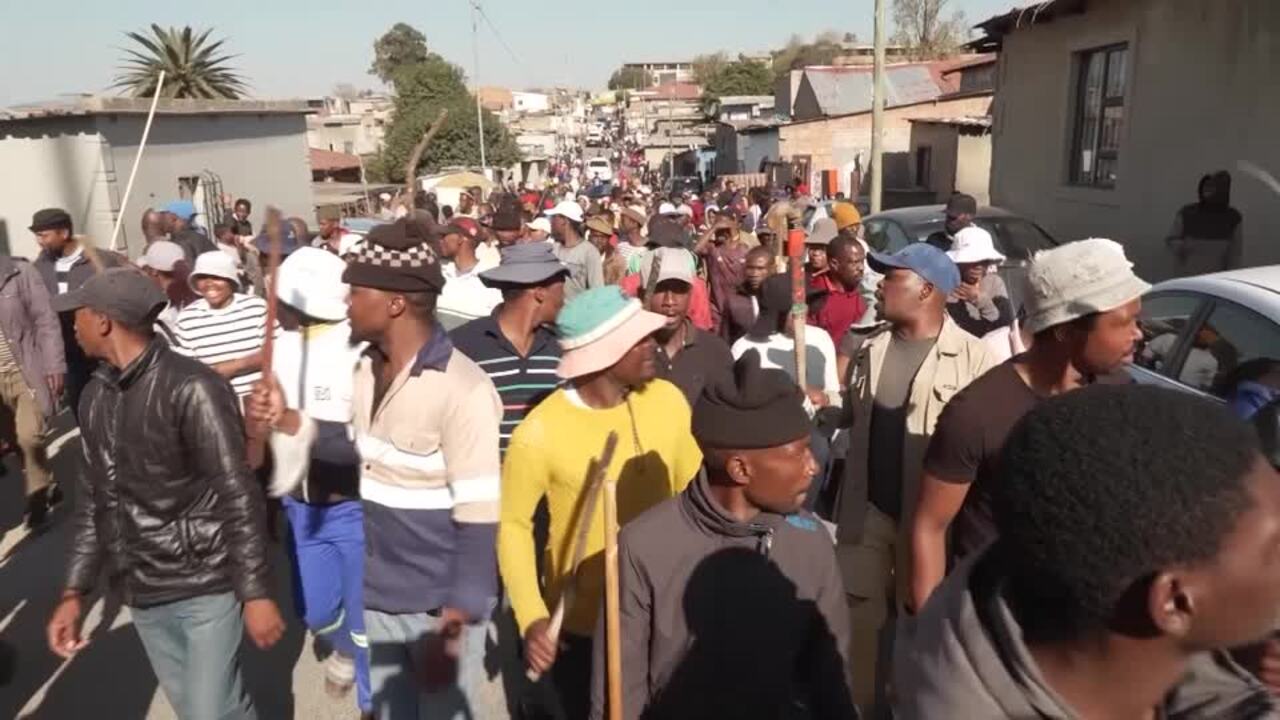
Anti-immigrant protesters in South Africa escalated their campaign this week, going door-to-door in Johannesburg and other cities to pull foreigners from their homes and hand them to police, according to Reuters. The crackdown swept up not just undocumented migrants but also legal residents — including one man, Total Mhlanga, who told Reuters, "I am a ZEP holder," referring to his Zimbabwean Exemption Permit.
The protests, organized by a group called March and March, have vowed weekly demonstrations demanding tighter border controls and priority access to jobs and services for South Africans. Reports confirmed some participants carried machetes during the door-to-door actions, raising alarm across humanitarian and government circles alike.
Who Is Leading the Protests and What They Want
The campaign is led by Jacinta Ngobese-Zuma, a former radio presenter. Her group, March and March, has promised weekly actions until the government acts on immigration. Flyers for Thursday's events advertised a "peaceful march" followed by "door to door" searches in areas including Soweto, Reuters reported. The group says it wants undocumented migrants removed and South Africans put first for jobs and government services.
South Africa has an unemployment rate above 32%, one of the highest in the world. Protesters blame migrants for taking jobs and straining public resources. Organizers insist their targets are undocumented immigrants. But critics say the sweeps have gone far beyond that, hitting asylum seekers, legal residents, and long-settled foreign nationals.
Legal Residents and Refugees Caught in the Dragnet
Doctors Without Borders — known internationally as MSF — warned that the protests were disrupting healthcare access for refugees, asylum seekers, and documented migrants. The organization launched an emergency response to deal with the fallout, DW reported. MSF said vulnerable people were being displaced and cut off from clinics and treatment they depend on.
Total Mhlanga's case illustrated the broader problem. He holds a Zimbabwean Exemption Permit — a legal document issued by the South African government. Despite this, he was seized during a door-to-door sweep and handed to police, according to Reuters. Rights groups say the confusion between undocumented and documented migrants puts tens of thousands of people at risk.
Government Warns Against Scapegoating as Violence Rises
President Cyril Ramaphosa condemned the protests and warned against scapegoating migrants for South Africa's economic problems. Authorities stepped up arrests and deployed additional security forces to protect communities targeted by demonstrators, according to Reuters. Police have walked a difficult line — responding to protesters' demands while trying to protect the rights of legal residents.
Reports of machetes being used during the door-to-door actions alarmed human rights organizations. South Africa has a painful history of xenophobic violence — in 2008, attacks killed more than 60 people and displaced hundreds of thousands. Observers warn the current wave risks a repeat, particularly in dense urban areas like Johannesburg and Soweto, where tensions between locals and migrants run high.
Regional Ties and International Pressure at Stake
International observers say the protests risk damaging South Africa's relationships with neighboring countries, especially Zimbabwe. Tens of thousands of Zimbabweans hold ZEPs — temporary legal permits the South African government issued to manage cross-border migration. Targeting ZEP holders could strain diplomatic ties and erode the regional solidarity that underpins cooperation across southern Africa, DW noted.
Humanitarian groups are calling on the government to draw a clear legal line between undocumented migrants and those with legal status. MSF warned that if healthcare access for migrants continues to be disrupted, it could fuel broader public health risks inside South Africa itself. The government faces growing pressure to respond firmly — without inflaming the xenophobic sentiment driving the protests.
Sentiment
Mostly NegativeNEGATIVENEUTRALPOSITIVE
Publishers
10
Articles
102
Reach
112
A
AnonymousAuthor


