Uganda Declared Ebola-Free
The World Health Organization has declared Uganda completely Ebola-free following forty-two days without new cases.
Anonymous
Key Points
1
DR Congo's outbreak has surged to 5,656 confirmed cases and 2,715 deaths as of August 25, with Ituri province remaining the epicenter and accounting for more than 4,700 infections.
2
Uganda's outbreak involved 20 confirmed cases, with 18 recoveries and two deaths; the last confirmed case occurred on June 21 and the final patient was discharged on July 16.
3
The Ugandan outbreak was sparked by an imported case from the DRC on May 15.
4
Uganda shares a long border with the DRC—about 877 kilometers—illustrating how cross-border movement can complicate containment efforts.
5
The WHO's declaration of Uganda being Ebola-free came after a 42-day monitoring period and was delivered at a joint news conference with Uganda's Ministry of Health; Dr. Marie Belizaire highlighted the milestone.
The World Health Organization declared Uganda Ebola-free on July 28 after 42 consecutive days without a new confirmed case, marking the end of a WHO-tracked outbreak. Uganda recorded 20 total infections and 2 deaths from the Bundibugyo strain, with the last patient discharged on July 16.
The declaration offers Uganda a major public health victory, though it underscores the fragility of regional containment efforts. The Democratic Republic of the Congo continues to battle a far deadlier outbreak, with 5,656 confirmed cases and 2,715 deaths as of August 25, centered in neighboring Ituri province just across Uganda's 877-kilometer shared border.
How Uganda Contained a Single Imported Case
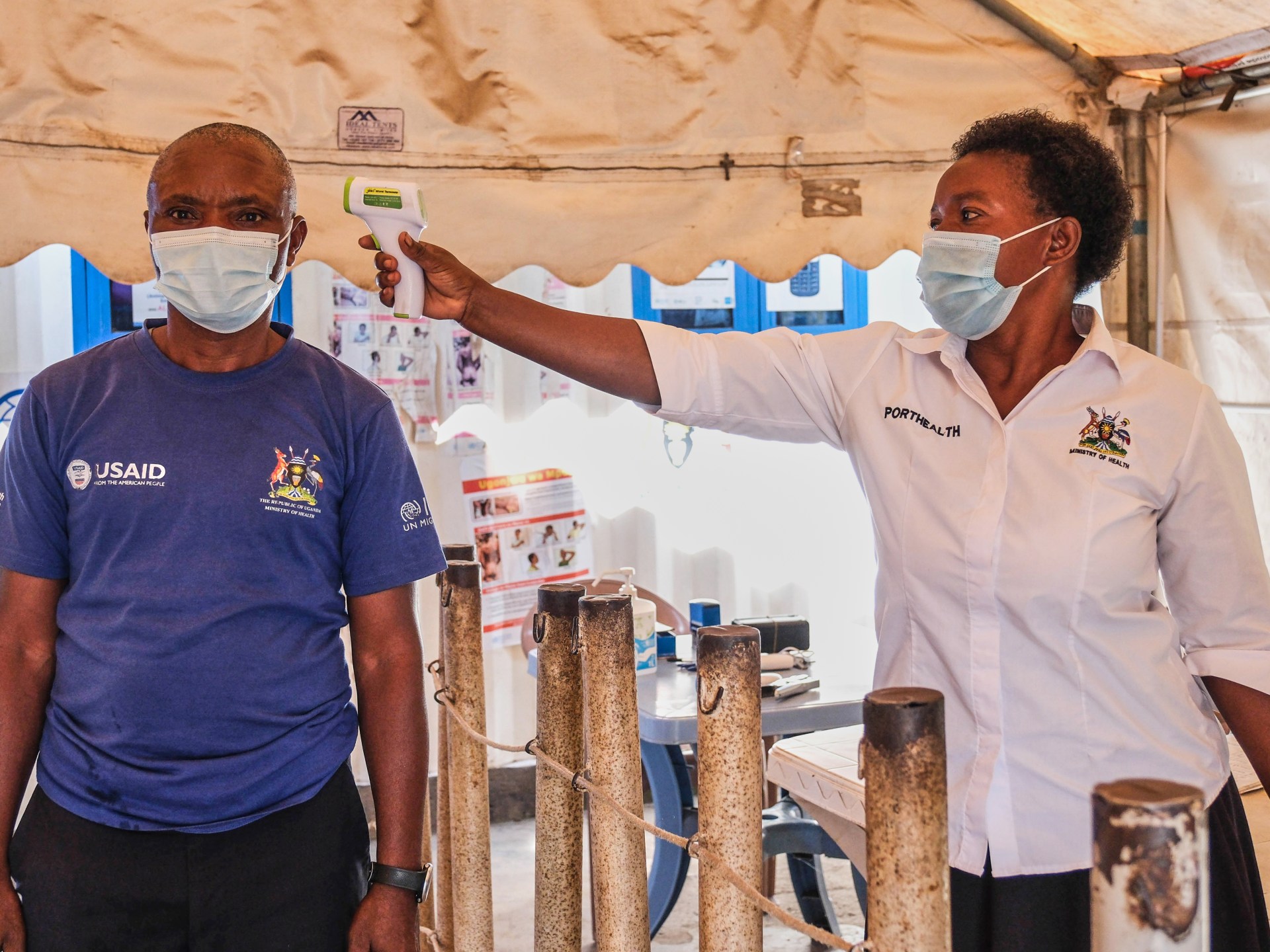
Uganda's outbreak began May 15 when a single case crossed the border from the DRC. Within five weeks, the virus had infected 20 people and killed 2. The last confirmed case emerged on June 21 and recovered by July 16, triggering the 42-day countdown required by WHO protocols for formal outbreak closure.
Uganda's health ministry had already announced victory before the WHO's formal declaration, signaling strong outbreak management and rapid response systems. Eighteen of the 20 infected patients recovered, demonstrating both effective treatment protocols and rapid case isolation that prevented wider spread.
Uganda Pushes to Restore Travel Freedom
Ugandan officials have urged neighboring countries to lift travel and trade restrictions imposed during the outbreak. The restrictions had dampened tourism and commerce, key economic drivers for the nation. With the WHO declaration in hand, Uganda now seeks to rebuild cross-border movement and restore investor confidence.
DRC's Outbreak Worsens While Uganda Recovers
Just across the border, the Democratic Republic of the Congo faces an exploding epidemic. As of August 25, the DRC reported 5,656 confirmed cases and 2,715 deaths—far exceeding Uganda's totals. Ituri province alone accounts for more than 4,700 infections, making it the outbreak's epicenter.
The proximity of Uganda's border to DRC's hardest-hit zones illustrates the cross-border transmission risks that complicate regional containment. WHO officials have highlighted the need for coordinated surveillance and response systems across national boundaries to prevent future spillover events like the one that triggered Uganda's outbreak.
Sentiment
Mostly NegativeNEGATIVENEUTRALPOSITIVE
Publishers
19
Articles
59
Reach
78
A
AnonymousAuthor


