Tax Evasion Investigation
Deutsche Bank Headquarters Raided Amid €350 Million Cum-Cum Tax Evasion Probe Linked to Postbank
Anonymous
Key Points
1
This year has already seen Deutsche Bank subjected to its third raid tied to legacy Postbank matters, highlighting ongoing scrutiny of pre-acquisition practices as the lender pursues its turnaround.
2
Ten former Postbank executives have been named as suspects in the cum-cum tax case, with investigators estimating losses at more than €350 million from falsified tax returns.
3
Deutsche Bank notes that the Postbank integration was completed in 2024, with the legacy probes centered on transactions from 2008-2010 that occurred before or during the integration process.
4
BaFin has pointed to a broader sectoral exposure, with a survey finding that 54 banks potentially participated in cum-like deals, underscoring how widespread such structures have been.
5
Deutsche Bank paid €29 million in 2025 to settle cum-ex tax claims; the bank’s annual report contains no corresponding disclosure of payments or provisions specifically for cum-cum deals, illustrating ongoing legacy costs.
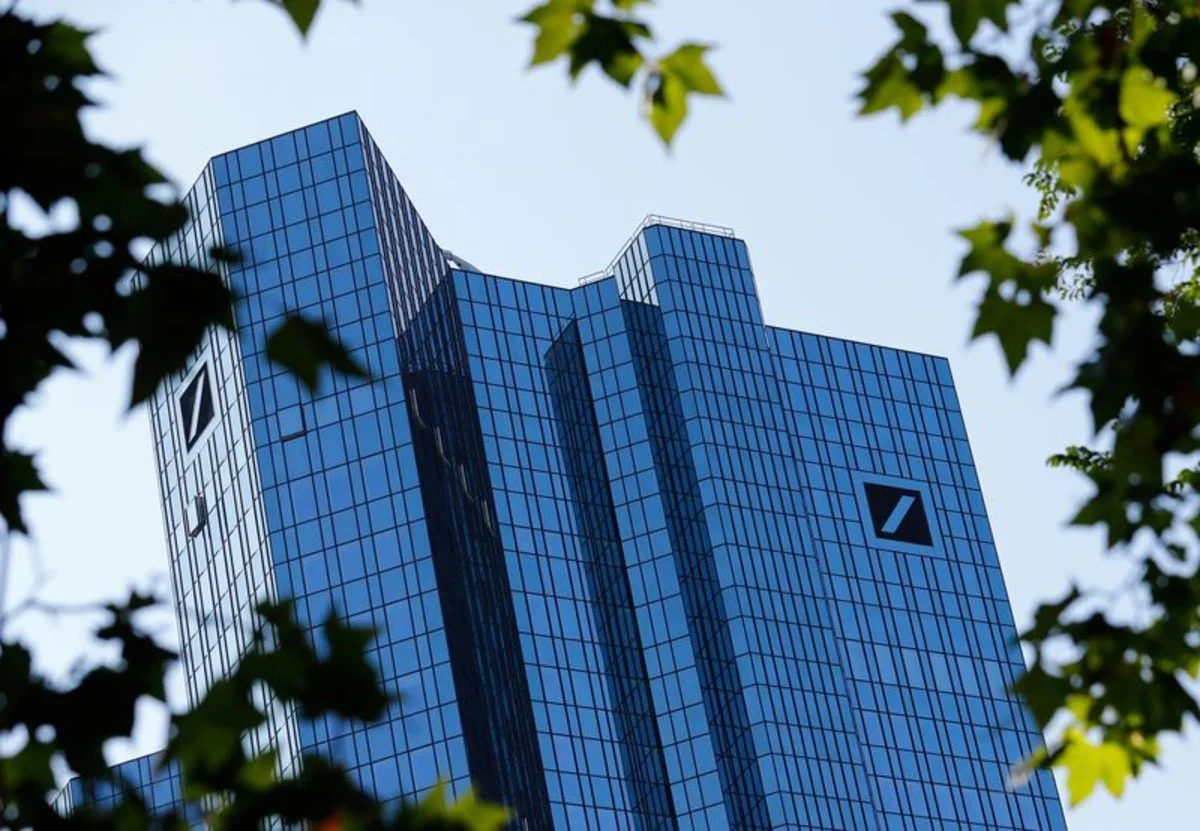
German prosecutors raided Deutsche Bank's Frankfurt headquarters as part of a probe into alleged tax fraud at its Postbank unit, the bank confirmed. The investigation centers on transactions from 2008 to 2010 — before Deutsche Bank acquired Postbank in late 2010 — with ten former Postbank executives named as suspects, according to MarketScreener.
Investigators estimate losses of more than €350 million from falsified tax returns tied to so-called cum-cum deals. Deutsche Bank says it is cooperating and is being treated as a third party, not a primary target, according to Yahoo Finance.
What Cum-Cum Deals Are and Why They Matter
Cum-cum deals are a type of tax arrangement where investors temporarily transfer shares around dividend payment dates. The goal is to claim tax refunds that the true owner is not entitled to. German authorities have spent years unwinding these schemes across the banking sector. BaFin, Germany's financial regulator, found that 54 banks potentially took part in similar deals.
Cum-cum is separate from the better-known cum-ex scandal. In cum-ex, multiple parties claimed refunds on a single tax payment. In cum-cum, only one party claims a refund — but still improperly. Both schemes cost German taxpayers billions of euros in lost revenue.
Third Raid This Year Adds to Deutsche Bank's Legal Burden
This is already the third raid on Deutsche Bank tied to legacy Postbank matters in 2025, according to MarketScreener. That is a significant distraction for CEO Christian Sewing, who has spent years trying to clean up the bank's reputation and return it to steady profits. The raids keep pulling attention back to problems from more than a decade ago.
Deutsche Bank completed its full integration of Postbank in 2024. But as legal successor, it inherits Postbank's liabilities. The bank paid €29 million in 2025 to settle separate cum-ex tax claims. Its latest annual report contains no specific disclosure of provisions for cum-cum deals, suggesting further costs could still emerge.
Ten Suspects, €350 Million in Alleged Losses
Ten former Postbank executives are named as suspects in the case. Prosecutors allege these individuals structured transactions to generate false tax refund claims between 2008 and 2010. The estimated loss to the German state exceeds €350 million, according to MarketScreener.
Deutsche Bank declined to name the suspects or give details about the specific transactions under review. The bank said it is treating the search as a third-party matter and is working with authorities. No charges have been filed against Deutsche Bank itself at this stage.
A Wider Industry Problem, Not Just One Bank
Deutsche Bank is far from alone. BaFin's survey found 54 German banks may have used cum-like structures. That points to a systemic failure in how dividend-related tax rules were applied across the industry for years. German prosecutors have pursued dozens of cases and recovered billions of euros from banks and hedge funds.
For Deutsche Bank, each new raid chips away at the cleaner image Sewing has worked to build. The bank has largely returned to profitability in recent years. But legacy legal costs — from cum-ex, cum-cum, and other past misconduct — remain an unpredictable drag on earnings and investor confidence, according to Yahoo Finance.
Sentiment
Mostly NegativeNEGATIVENEUTRALPOSITIVE
Publishers
26
Articles
37
Reach
63
A
AnonymousAuthor