Addiction Verdict Appealed
Meta and Google appeal $6M verdict over teen social media addiction liability
Anonymous
Key Points
1
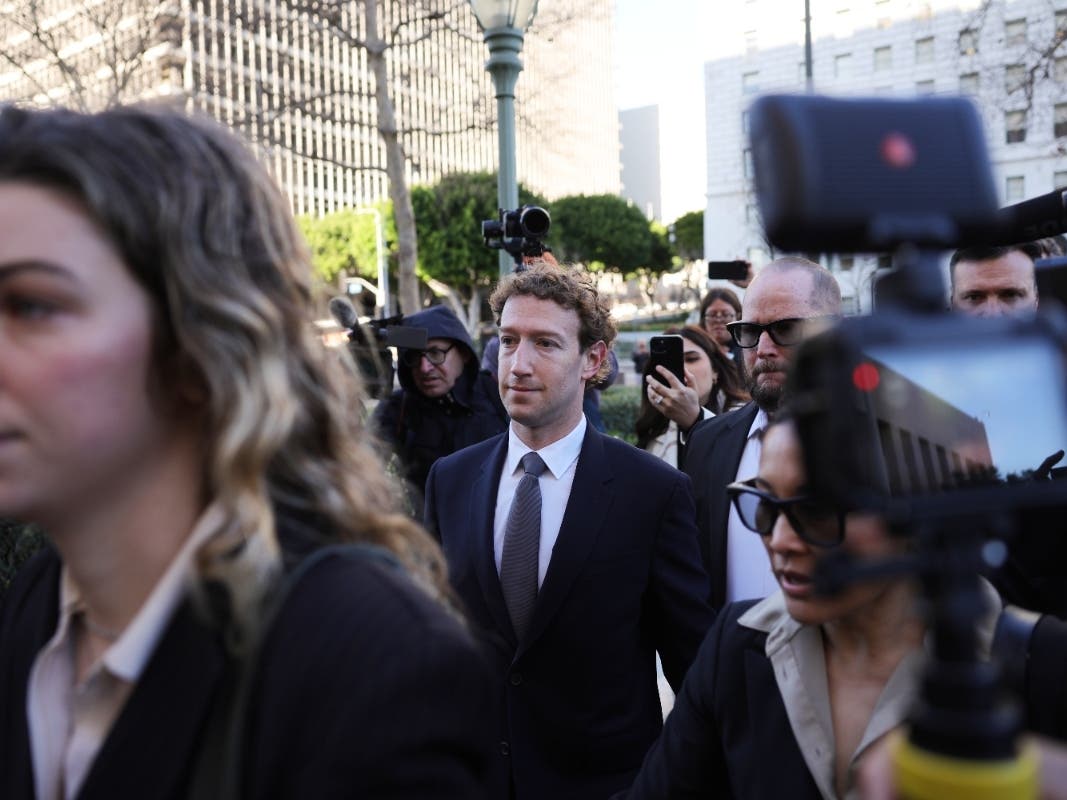
The trial featured rare, high-profile testimonies from Meta CEO Mark Zuckerberg and Instagram head Adam Mosseri, underscoring the political weight and public scrutiny surrounding the case.
2
The presiding judge, Carolyn B. Kuhl, denied Meta’s and Google’s post-trial motions for judgment notwithstanding the verdict and for a new trial in early June, leaving the jury’s verdict in place.
3
Google’s YouTube signaled it will appeal the verdict, with Google confirming its intention to pursue appellate relief alongside Meta.
4
Lead plaintiff attorney Mark Lanier indicated the appellate effort will be vigorously defended, noting a careful application of the law to affirm the trial court’s verdict.
Meta has formally appealed a landmark Los Angeles jury verdict that found it liable for a young woman's social media addiction, according to LA Times. The jury ordered $6 million in total damages — split between compensatory and punitive awards — and assigned 70% of the blame to Meta and 30% to Google's YouTube.
The case centers on Kaley, a 20-year-old who testified about being exposed to Instagram and YouTube as a child and the mental health damage that followed, Patch reported. If the appeal fails, the ruling could reshape how courts treat social media platforms in thousands of similar lawsuits nationwide.
Zuckerberg Took the Stand in Rare Trial Appearance
The trial drew unusual attention because Meta CEO Mark Zuckerberg and Instagram head Adam Mosseri both testified in person, according to LA Times. High-profile tech executives rarely appear as witnesses in civil trials. Their presence showed how seriously Meta took the case — and how much public scrutiny the company faces over teen safety.
The jury heard arguments about specific platform features, including infinite scrolling and autoplay video. These tools are designed to keep users engaged as long as possible. The Next Web reported that the European Commission has separately accused Meta of engineering these same features to be addictive, a finding that could carry fines of up to 6% of Meta's global annual revenue.
Judge Rejected Both Companies' Bids to Erase the Verdict
After the jury ruled, Meta and Google filed post-trial motions asking the judge to either throw out the verdict or order a new trial. Judge Carolyn B. Kuhl denied both requests in early June, leaving the $6 million award intact, Patch reported. That denial forced both companies to take their fight to the appellate court.
Google confirmed it will also appeal the 30% share of liability assigned to YouTube. Both companies argue that teen mental health problems are complex and cannot be tied to a single app. Lead plaintiff attorney Mark Lanier said his team will "vigorously defend" the verdict, arguing the law was carefully applied at trial, according to LA Times.
Section 230 and What the Appeal Could Mean for Big Tech
At the heart of the appeal is a question about Section 230, the federal law that normally shields tech platforms from being sued over user content. Meta and Google argue their design choices — like autoplay and infinite scroll — are protected. But the jury found those features caused real harm, a distinction that could matter a great deal on appeal.
IBTimes noted that regulators in Europe are already targeting the same features under the Digital Services Act. If U.S. appellate courts uphold the verdict, it could open the door for thousands of similar lawsuits to move forward. Legal observers expect the process to take years, but the outcome could force social media companies to redesign core parts of their platforms.
Sentiment
Mostly NegativeNEGATIVENEUTRALPOSITIVE
Publishers
14
Articles
99
Reach
113
A
AnonymousAuthor


