Gaza Oxygen Emergency
Gaza Health Ministry Reports 22 Oxygen Stations Offline, Blockade Hinders Critical Repairs
Key Points
Roughly 25 of Gaza's 34 oxygen production facilities have been damaged or destroyed by Israeli military operations, leaving a fraction still potentially functional amid ongoing restrictions.
A ceasefire has been in place since Oct. 10, 2025, providing context for the current restrictions and the fragility of health-system operations.
Neonatal units and newborns in incubators are among the groups at highest risk due to oxygen shortages.
Doctors Without Borders says restrictions on engine oils and spare parts are systematically disabling hospital generators and ambulance fleets, compounding the crisis.
Twenty-two of Gaza's 34 oxygen stations have been forced offline, leaving hospitals and home-care patients teetering on the edge of a complete oxygen collapse, according to Middle East Eye and TRT World. The 12 stations still running are operating beyond maximum capacity under extremely difficult technical conditions.
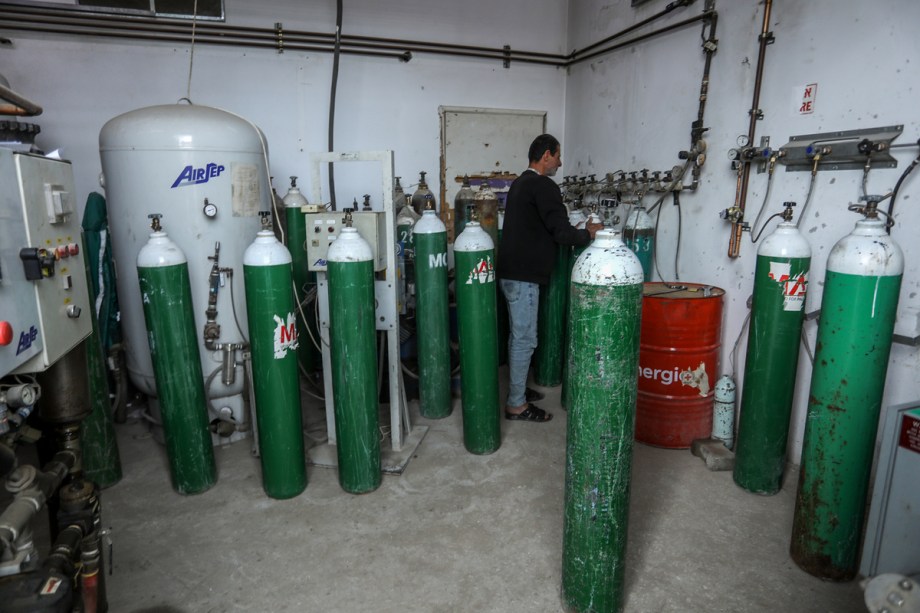
The Palestinian Health Ministry is sounding the alarm: only 4 of 30 oxygen cylinder-filling devices still work. Engineers cannot perform emergency repairs. Officials warn that without immediate imports of spare parts, fuel, and new equipment, a full oxygen shutdown is imminent, threatening preventable deaths across Gaza's already strained health system, Middle East Monitor reports.
Blockade Cuts Off Fuel, Parts, and Repairs
Israel's ongoing blockade has barred fuel, spare parts, and engine oils from entering Gaza at the scale needed to keep medical equipment running. Middle East Monitor reports that the shortage of spare parts is the direct cause of the 22 stations going dark. Engineers are on standby but cannot fix what they cannot access.
Doctors Without Borders says restrictions on engine oils and spare parts are systematically disabling hospital generators and ambulance fleets. The Kerem Shalom crossing remains the only entry point for goods into Gaza, according to Middle East Eye, but critical supplies continue to be blocked or delayed. Aid groups say the pace of approvals is far too slow to prevent further breakdown.
Newborns and ICU Patients Face Gravest Risk
Neonatal units are among the most vulnerable. Newborns in incubators need a constant oxygen supply to survive. With 22 stations already down and the remaining 12 running past their limits, any further failure puts those infants directly at risk. Health officials describe the situation as life-threatening and urgent, Sada News reports.
Hospitals across Gaza were already operating beyond capacity before this latest crisis. World Health Organization data cited by multiple outlets shows deep gaps in medical resources. The health system has never fully recovered from prior conflicts. Adding an oxygen collapse on top of overstretched wards could prove catastrophic for patients who depend on continuous oxygen therapy at home as well as in hospitals.
Ceasefire in Place, But Health Crisis Deepens
A ceasefire has been in effect since October 10, 2025. Yet the blockade restrictions remain, and the health infrastructure has not recovered. Roughly 25 of Gaza's 34 oxygen production facilities were damaged or destroyed during earlier military operations, TRT World reports. That left the system fragile long before the current breakdown.
The Gaza Health Ministry has issued urgent calls for immediate, open channels to import spare parts, new oxygen stations, and fuel. Saba News reports the Ministry describes the oxygen system as nearing full collapse. Officials say the window to act is closing fast and that delays will directly cost lives.
Health Ministry Demands Emergency Access to Equipment
The Ministry is calling for a dedicated emergency corridor for medical supplies. It wants new oxygen stations, cylinder-filling devices, and engine oils approved immediately. Of the 30 oxygen cylinder-filling machines in Gaza, 26 are now non-functional, Middle East Monitor reports. That figure alone illustrates how close the system is to total failure.
Aid organizations and UN agencies back the call for faster access. Without rapid action, health officials say hospitals will be forced to make impossible choices about which patients get oxygen. For newborns, elderly patients, and people on home oxygen therapy, those choices mean life or death.
Sentiment
Mostly NegativePublishers
15
Articles
10
Reach
25


