Michigan Senate Primary Shift
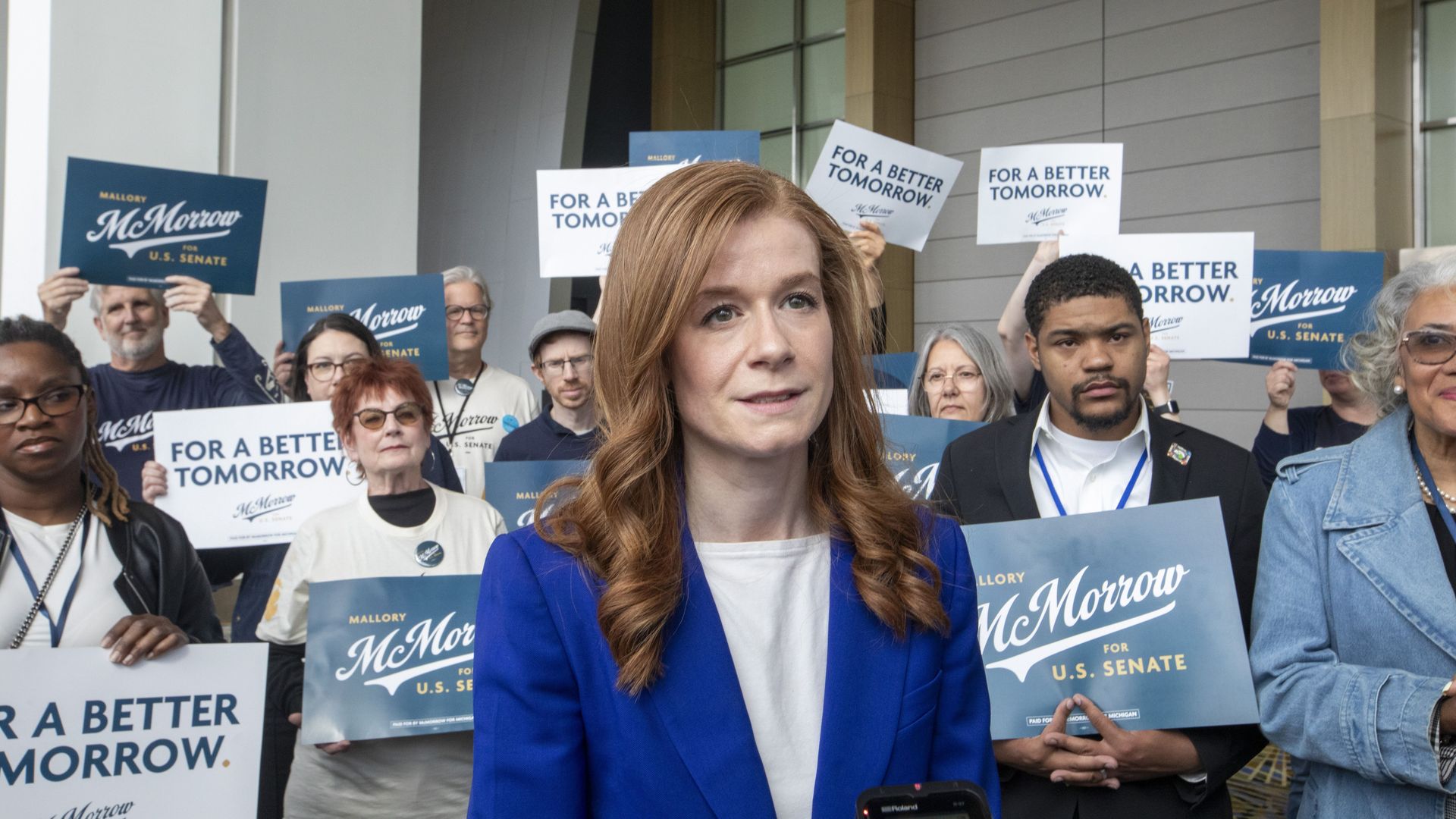
Mallory McMorrow Suspends Michigan Senate Campaign, Leaving Stevens and El-Sayed to Compete
Anonymous
Key Points
1
A WOOD-TV Grand Rapids debate was planned as the field narrowed to two candidates (Stevens and El-Sayed), with coverage noting the late-stage campaign activities ahead of the August primary.
2
McMorrow announced her suspension via a post on social media, signaling the end of her bid and prompting renewed focus on Stevens vs. El-Sayed.
3
CNN’s reporting, as summarized by Townhall, found that McMorrow maintained a California residency until mid-2016 and deleted roughly 6,000 tweets, including posts critical of Michigan and the Midwest, raising questions about past disclosures.
4
Abdul El-Sayed’s background includes service as the Wayne County and Detroit health director, adding a health-policy track record to his progressive profile.
5
The suspension cited poor polling numbers and fundraising that failed to keep pace with rivals, underscoring the financial and electoral headwinds facing McMorrow as the race moved toward the August primary.
Michigan State Sen. Mallory McMorrow has suspended her U.S. Senate campaign, according to Detroit Free Press, clearing the field for a two-way Democratic primary between Rep. Haley Stevens and Dr. Abdul El-Sayed. McMorrow announced the decision via social media, citing weak poll numbers and a fundraising gap she could not overcome before the August 4, 2026, primary deadline.
The exit leaves Stevens and El-Sayed as the only major contenders in one of the most closely watched Senate primaries in the country. A WOOD-TV statewide debate was already scheduled as the field narrowed, setting up a high-stakes final stretch for both campaigns, according to Mahoning Matters.
Why McMorrow's Campaign Ran Out of Road
McMorrow's path to victory grew too narrow to continue. Poor polling and a fundraising pace that lagged far behind both Stevens and El-Sayed forced her hand. Outside spending by well-funded groups also crowded the race, leaving little room for a third candidate to break through, Macon.com reported.
CNN reporting, summarized by Townhall, added fuel to her troubles. Investigators found McMorrow kept a California residency until mid-2016 and deleted roughly 6,000 tweets — including posts critical of Michigan and the Midwest. Those disclosures raised questions about her ties to the state she was seeking to represent in the Senate.
Stevens vs. El-Sayed: A Party Split in Plain Sight
The two remaining candidates represent very different wings of the Democratic Party. Stevens holds backing from Senate Majority Leader Chuck Schumer and pro-Israel groups. El-Sayed is endorsed by Sen. Bernie Sanders and Rep. Alexandria Ocasio-Cortez, making him the clear favorite of the party's progressive base.
El-Sayed brings a health-policy record into the race. He served as the Wayne County and Detroit health director, giving him real-world credentials on an issue — Medicare for All — that divides moderate and progressive Democrats. Voter concerns about affordability and healthcare costs are expected to drive much of the debate messaging ahead of August.
Schumer Money vs. Sanders Energy: The Endorsement War
Outside spending has played a defining role in shaping this race. Pro-Israel groups have poured resources behind Stevens, while progressive organizations aligned with the Sanders wing have backed El-Sayed. That outside money made it harder for McMorrow to compete, according to Kansas.com, and is now expected to intensify with only two candidates left.
Schumer's support gives Stevens a powerful fundraising network and establishment credibility. El-Sayed counters with grassroots energy and a coalition of younger, progressive voters. The race may ultimately come down to which side turns out more supporters in a low-turnout August primary.
What Comes Next Before the August 4 Deadline
With McMorrow out, the WOOD-TV debate in Grand Rapids now becomes a one-on-one showdown. That format gives both Stevens and El-Sayed a chance to define themselves — and attack each other — before a statewide audience, Fresno Bee reported. Debates in a two-person race tend to move polls more sharply than crowded-field events.
Both campaigns will focus on coalition-building and messaging in the weeks ahead. Stevens needs to hold her moderate base while appealing to swing voters. El-Sayed must energize progressives and turn that energy into actual votes by August 4. Michigan's open Senate seat — currently held by a retiring incumbent — makes this one of the most competitive in the nation.
Sentiment
Mostly NegativeNEGATIVENEUTRALPOSITIVE
Publishers
25
Articles
323
Reach
348
A
AnonymousAuthor


