Markey Wins Primary
Senator Ed Markey Wins Democratic Primary and Pledges Final Term
Anonymous
Key Points
1
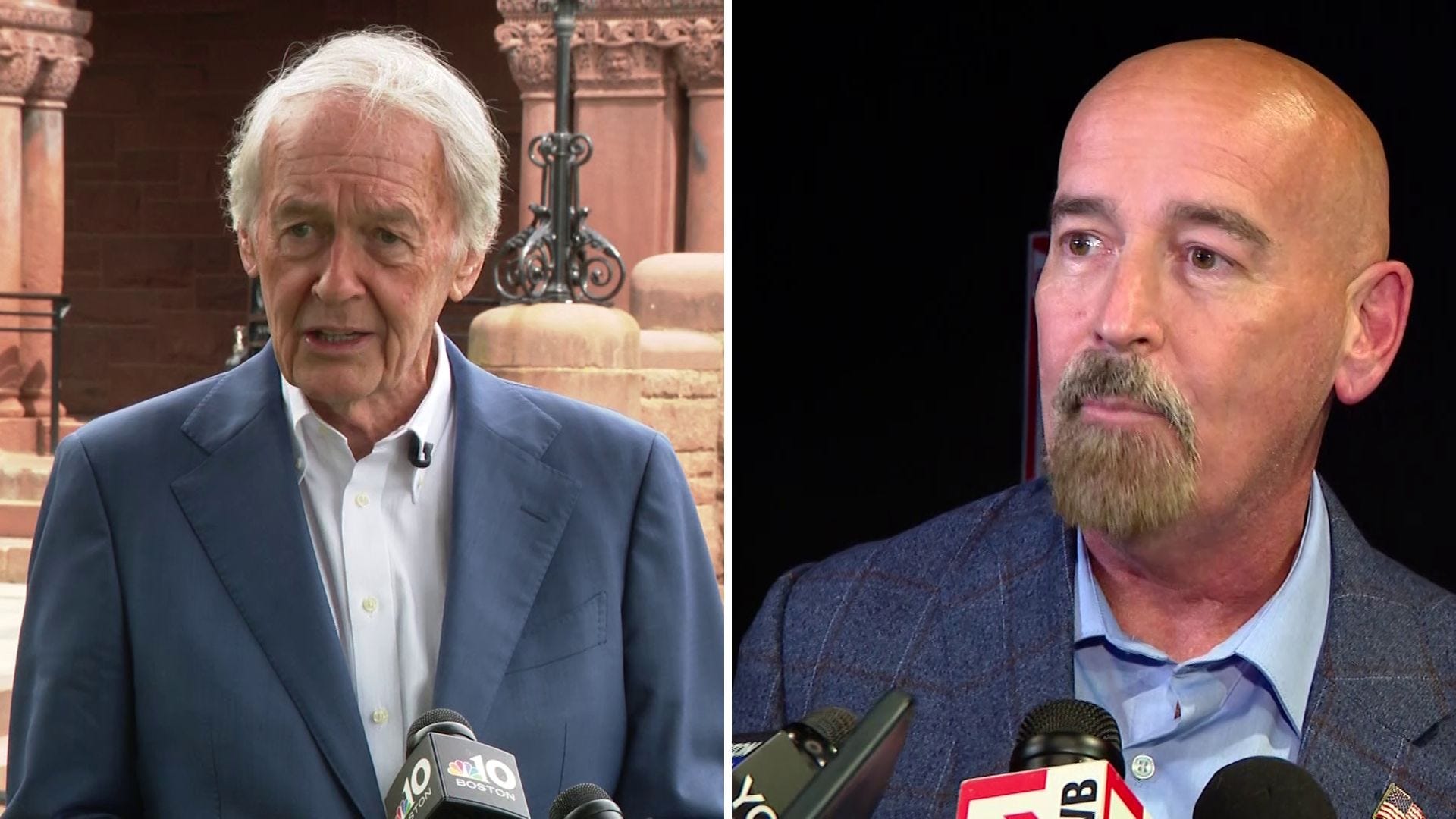
John Deaton, who ran for Elizabeth Warren's Senate seat in 2024 and lost, said he's 'learned some valuable lessons from that first run' as he faced Markey in this cycle.
2
Markey pledged that if he wins in November, this next term will be his last, signaling an end to his Senate tenure after this election.
3
Moulton conceded the race and signaled he would support Markey, arguing that challenging the establishment and pursuing generational change is necessary even if difficult.
4
Transgender rights emerged as a defining issue in the Massachusetts primary, with Markey repeatedly pressing his stance and criticizing Moulton over positions related to transgender athletes and his daughters.
5
Across Massachusetts’ primaries, more moderate establishment Democrats fared better in three U.S. House districts, reflecting a broader pattern beyond the Senate race.
Massachusetts Senator Ed Markey, 80, won his third Democratic primary by a commanding margin, defeating Rep. Seth Moulton and advancing to face Republican John Deaton in November. WCVB reported that Markey captured roughly 65-70% of the vote, a substantial victory that his campaign framed as validation of his progressive record on climate change and healthcare. The race becomes the general election matchup after Deaton, who lost a 2024 bid for Elizabeth Warren's seat, said he had "learned some valuable lessons from that first run."
Markey Defends Age With Ideas, Not Years
Moulton's campaign centered on generational change, questioning whether an 80-year-old should represent Massachusetts for another six years. NBC26 noted that Moulton conceded the race but signaled support for Markey, arguing that "challenging the establishment and pursuing generational change is necessary." Markey countered that accomplishments matter more than age. He pointed to his role in launching the Green New Deal and pushing Medicare for All as evidence that his ideas remain vital to the Democratic agenda.
Markey Pledges Senate Term Limit to Voters
To address longevity concerns head-on, Markey committed to serving only one more term if elected. He pledged that this next six-year term would be his last, effectively signaling an end to his Senate career after the 2030 election. The commitment aimed to reassure voters wary of his age while keeping focus on his legislative priorities during the remaining campaign against Deaton.
Transgender Rights Become Defining Primary Issue
Transgender athletics and rights emerged as a sharp dividing line between Markey and Moulton during the primary. Markey repeatedly pressed his firm stance protecting transgender athletes and criticized Moulton over his positions on transgender issues, including statements about his own daughters. The issue became one of the race's central policy battlegrounds, reflecting deeper divisions within the Democratic party over LGBTQ+ protections.
Moderate Incumbents Win Across Massachusetts House Races
Beyond the Senate race, Scripps News noted a broader pattern in Massachusetts Democratic primaries: more moderate, establishment-backed incumbents performed well in three U.S. House districts. The results suggest that while Markey held his progressive coalition together in the Senate primary, House voters leaned toward experienced legislators rather than challengers pushing for change. The pattern reflects competing currents within Massachusetts Democrats ahead of the general election.
Sentiment
Mostly NegativeNEGATIVENEUTRALPOSITIVE
Publishers
11
Articles
65
Reach
76
Topics
A
AnonymousAuthor


