MLB Salary Cap Conflict
MLB Commissioner Manfred Proposes Salary Cap to Save League; Players Brand It 'Subsidized Mediocrity'
Anonymous
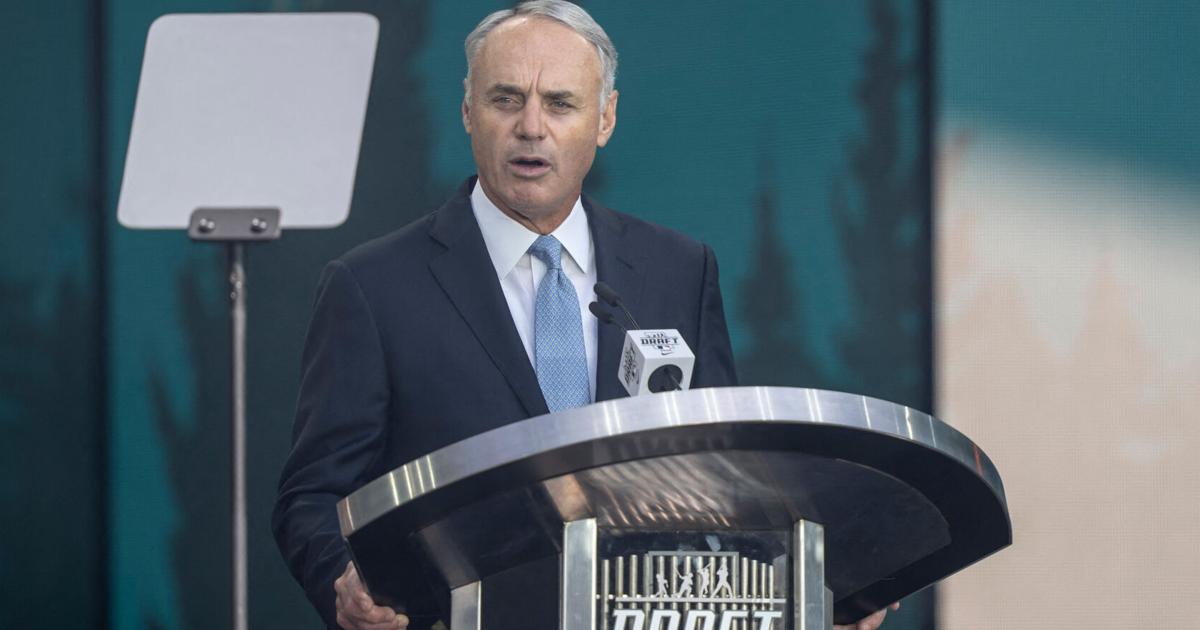
MLB Commissioner Rob Manfred and players' union interim director Bruce Meyer both agreed Tuesday that baseball is in good shape — but they sharply disagree on what comes next. Tucson.com reported that Manfred is pushing hard for a salary cap, pointing to a $441 million gap between the league's highest- and lowest-spending teams as proof the sport needs structural change.
The players' union fired back fast. They called Manfred's cap idea 'subsidized mediocrity' — a system they say would let cheap owners spend less while hiding behind a rulebook. The debate sets the stage for what could be a bruising labor fight when the current collective bargaining agreement expires.
Manfred Says the Spending Gap Is Too Wide
Manfred made his case Tuesday at the All-Star Game. He argued that a $441 million payroll gap between the richest and poorest teams is unsustainable. Tucson.com reported he believes a salary cap would level the playing field and give small-market teams a real chance to compete every year.
The commissioner framed the cap as a tool for competitive balance — not a way to suppress player pay. He said teams at the bottom of the spending ladder cannot realistically challenge teams at the top under the current system. Without change, he argued, fans in small markets lose hope early each season.
Players Call the Cap a Cover for Cheap Owners
MLBPA interim executive director Bruce Meyer rejected Manfred's framing entirely. The union's phrase — 'subsidized mediocrity' — cuts to the heart of their argument. La Crosse Tribune reported that players believe a cap would simply give low-spending owners an excuse to stay low, rather than push them to invest in winning.
The union's position is that the real problem is not high spending at the top — it's low spending at the bottom. Players want a salary floor that forces every team to spend. A cap without a floor, they argue, only helps owners protect profits while players and fans pay the price.
Both Sides Agree Baseball Is Thriving Right Now
Despite the bitter disagreement, Manfred and Meyer did find common ground Tuesday. Both men said the game of baseball is healthy and growing. Helen Air reported that attendance, TV ratings, and fan engagement are all trending in a positive direction heading into the second half of the 2025 season.
That shared optimism makes the labor fight feel even more high-stakes. When a sport is doing well, both sides have more to lose — and more to fight over. The current collective bargaining agreement will eventually expire, and Tuesday's back-and-forth showed that the two sides remain far apart on the sport's financial structure.
A Labor Clash Brewing Behind the All-Star Smiles
The All-Star Game is supposed to be a celebration. But Tuesday's dueling press conferences made clear that a major labor battle is on the horizon. Bismarck Tribune noted that the salary cap debate is not new — it has been a flashpoint in nearly every MLB labor negotiation for decades.
Other major North American sports leagues — the NFL, NBA, and NHL — all operate under some form of salary cap. MLB remains the only one of the four major leagues without one. Whether that changes will depend on whether Manfred can convince players that a cap helps them — a very hard sell given the union's current stance.
Sentiment
NeutralNEGATIVENEUTRALPOSITIVE
Publishers
14
Articles
311
Reach
325
A
AnonymousAuthor


