Rules of Time Travel
How Iconic Science Fiction Series Transform Time Travel Into High-Stakes Danger
Anonymous
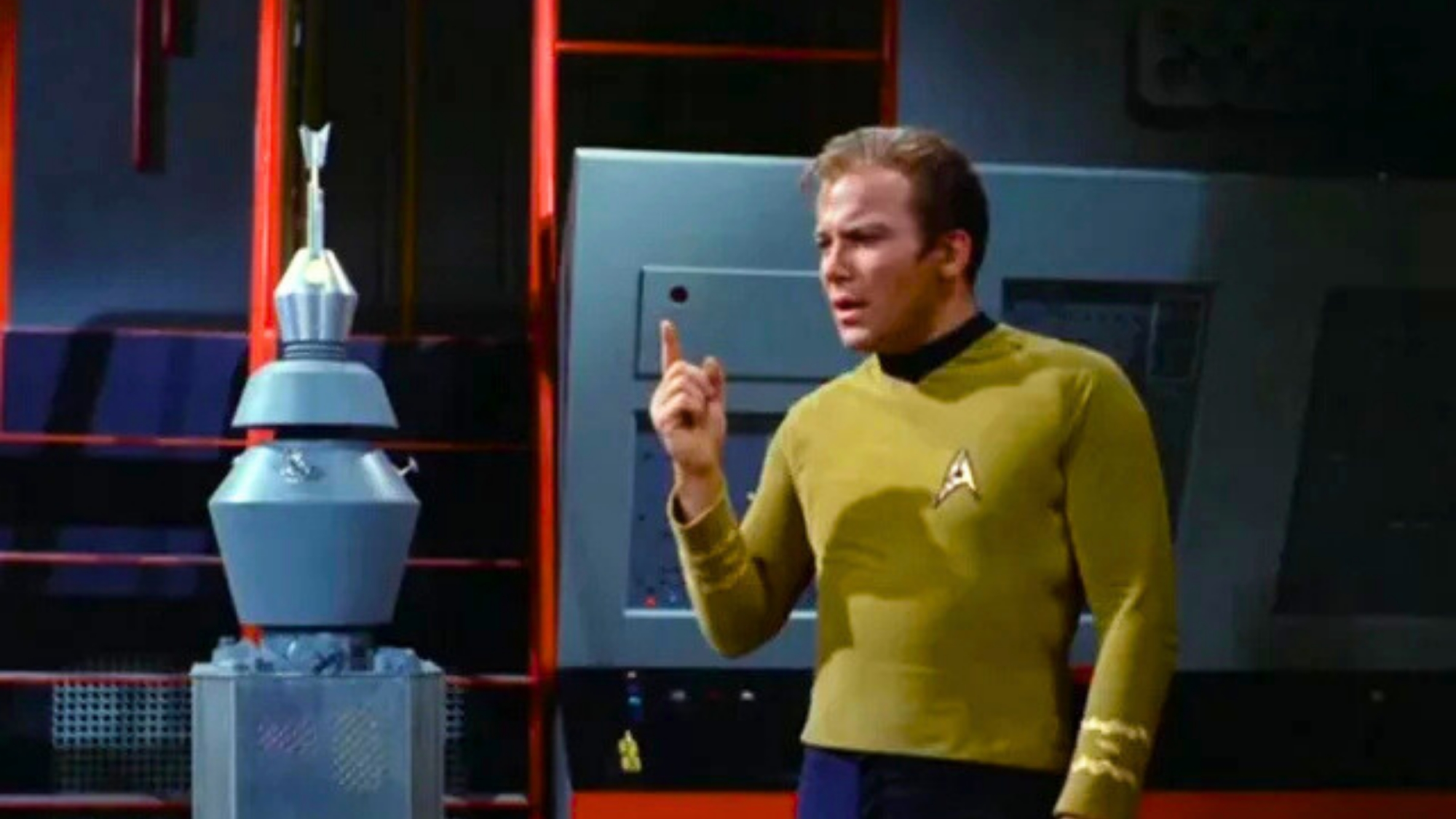
Science-fiction stories make time travel compelling by turning it into a problem shaped by each universe’s rules, from the Star Trek: The Original Series crew’s effort to return from 20th-century Earth without altering history to Strange New Worlds’ two Uhuras communicating across time. Other approaches include Synchronic’s location-bound drug that sends users briefly into the past and Babylon 5’s “Babylon Squared,” which uses temporal dislocations to foreshadow the series’ larger story. Across these examples, time travel serves not just as a device for visiting another era, but as a source of paradox, danger and consequences that characters must confront.
Key Points
1
In “Tomorrow Is Yesterday,” the Enterprise is accidentally thrown into the 20th century after being caught in the gravitational pull of a high-gravity black star; the crew must avoid leaving evidence of the ship’s visit to Earth.
2
In the Strange New Worlds finale, the two Enterprises are positioned on opposite sides of a white and black hole, and the two Uhuras not only communicate but swap places.
3
In Synchronic, the drug stimulates users’ pineal glands and lets them experience time nonlinearly for about seven minutes; travel is tied to the user’s location, and they have little control over the era they reach.
4
“Babylon Squared” sends Sinclair into a future where the station is under attack, while Garibaldi experiences the past; the episode also introduces Zathras, who says he serves “The One” and is on a mission involving Babylon 4 and a future great war.
Sentiment
Mostly NegativeNEGATIVENEUTRALPOSITIVE
Publishers
6
Articles
1
Reach
7
A
AnonymousAuthor


