Threats Surge, Security Adapts
Secret Service Reports Unprecedented Threats, Enhances Security Ahead of Major Events
Anonymous
Key Points
1
The Secret Service described the Washington Hilton security perimeter as keeping the gunman roughly 120 yards from the podium (almost the length of a football field) from the magnetometers to the podium, illustrating the scale of the protective barriers in place.
2
The White House Correspondents’ Dinner was moved to a different venue with a smaller ballroom and fewer guests, and officials indicated the event would be held on a later date (July 24).
3
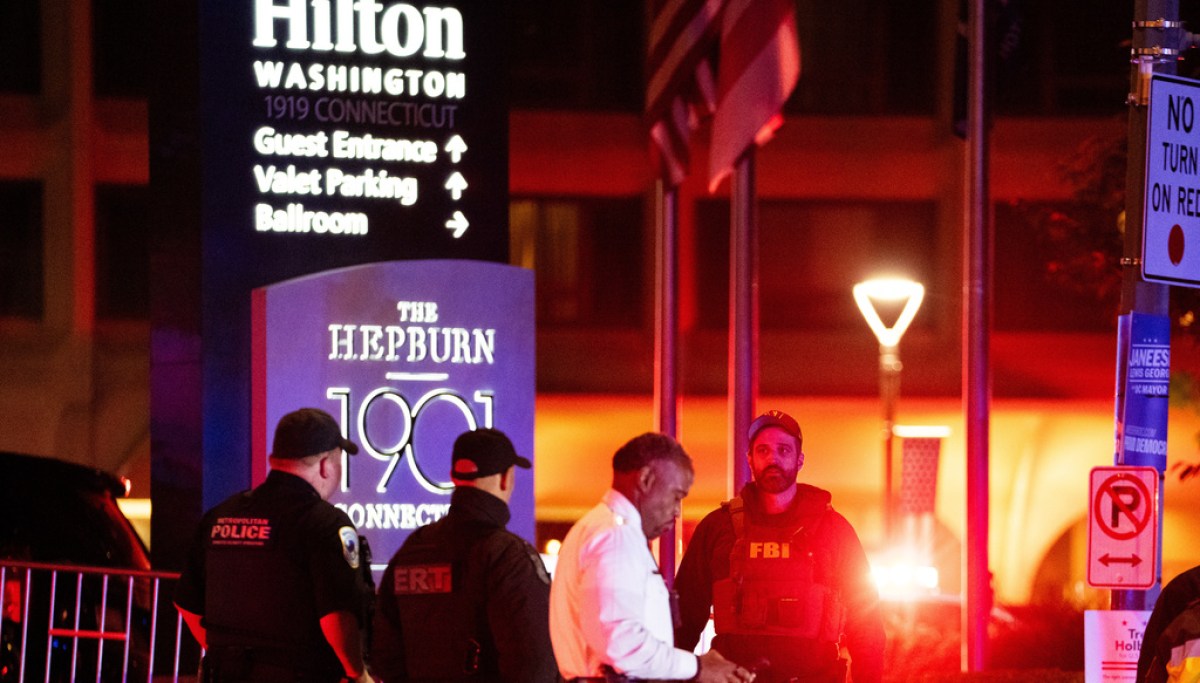
In April, a gunman breached a security checkpoint, shot at an officer, and was subdued before reaching the ballroom, prompting reassurances about the security perimeter and planning for the rescheduled event.
4
Officials outline a detailed set of behavioral warning signs used in threat assessments, including obsessive fixation, escalating grievances, stalking, harassment, paranoia, delusions, suicidality, significant behavioral changes, and an unusual interest in violence.
5
Drones are described as inexpensive, sophisticated weapons on modern battlefields, and the Secret Service has deployed counter-drone technology to protect major events and protected sites.
The U.S. Secret Service says threats against its protectees are at the highest levels ever recorded, with more than 10,000 threat-related cases opened this year — a 40% jump from last year, according to NBC News. Director Sean Curran called the environment "off the charts" and "volatile," citing rising online threats, lone-actor cases, and a tenfold increase in mental-health interventions for would-be attackers.
The warning comes as officials prepare for the rescheduled White House Correspondents' Dinner, now set for July 24 at a smaller venue after a gunman breached a security checkpoint at the original April event, according to Washington Examiner.
Threat Levels Hit All-Time High for Trump and Others
Secret Service Director Sean Curran told officials that the current threat environment is "the highest we've ever seen," according to Cleveland.com. Protectees include President Donald Trump and Supreme Court justices. The agency has opened more than 10,000 cases this year alone — roughly 40% more than the same period last year.
Officials point to several drivers: online threats, lone actors, ideological grievances, foreign threats, and mental-health concerns. The number of mental-health interventions for potential attackers has grown tenfold, according to NBC News. The Service treats every threat as potentially credible until a behavior-based assessment proves otherwise.
April Security Breach Forced WHCD Venue Change
In April, a gunman breached a security checkpoint at the Washington Hilton during the original White House Correspondents' Dinner. The gunman shot at an officer before being subdued. He never reached the ballroom. Officials noted the perimeter placed him roughly 120 yards from the podium — nearly the length of a football field — from the magnetometers to the stage, according to NBC News.
The incident prompted organizers to move the rescheduled dinner to a different venue with a smaller ballroom and fewer guests. The new date is July 24. Officials say the smaller footprint gives security teams more control over the environment, according to Washington Examiner.
Drones Emerge as a New and Growing Security Challenge
Officials flagged drones as a fast-growing threat. Curran described them as "inexpensive, sophisticated weapons" now common on modern battlefields, according to Head Topics. The Secret Service has responded by deploying counter-drone technology at major events and protected sites. The agency treats drone risks as part of a broader shift in how attacks can be carried out.
Security planning has become more flexible as a result. Advance teams now conduct site-by-site assessments and adjust their footprint based on real-time threat information. No single security setup is used for every event, officials said.
Behavioral Red Flags Guide Who Gets Flagged as a Threat
The Secret Service uses a detailed set of behavioral warning signs to decide who poses a real risk. Those signs include obsessive fixation on a target, escalating grievances, stalking, harassment, paranoia, delusions, suicidal thinking, and unusual interest in violence, according to NBC News. A significant, sudden change in behavior is also a red flag.
Officials stress that not every threat turns into action — but all are assessed as credible until proven otherwise. This behavior-based model, rather than relying on specific words or statements alone, helps agents focus resources on the cases most likely to escalate, according to Cleveland.com.
Sentiment
Mostly NegativeNEGATIVENEUTRALPOSITIVE
Publishers
27
Articles
121
Reach
148
Topics
A
AnonymousAuthor


