Madrid F1 Overtaking Concerns
Kimi Antonelli wins inaugural Madrid F1 race as overtaking challenges spark layout change calls
Anonymous
Key Points
1
The Madring’s unusually long pit lane took about 25 seconds to traverse under green-flag conditions, while pitting during a virtual or full safety car created an advantage of roughly 12 seconds because of the circuit’s layout and reduced speeds.
2
The race was shaped by the circuit’s energy-dense design: its slower, continuous corners allowed hybrid batteries to recharge more easily than on the long straights of Monza, making a conventional pass difficult and leaving drivers reliant on risky lunges or rivals’ mistakes.
3
Verstappen said Red Bull’s qualifying deficit was concentrated in the final sector, where the car struggled to deploy power effectively against its rivals, although he felt he had made steady progress through Q1, Q2 and Q3 without leaving much lap time unused.
4
Teams entered the race with significant uncertainty over the hard tyre’s durability, leaving open the possibility of either two- or three-stop strategies; Verstappen also praised the new asphalt’s grip but said some sections were already too bumpy for a new circuit.
5
Construction delays caused by particularly bad weather contributed to the venue’s unfinished, work-in-progress feel, while the very large pit lane and paddock created logistical challenges for teams and event personnel.
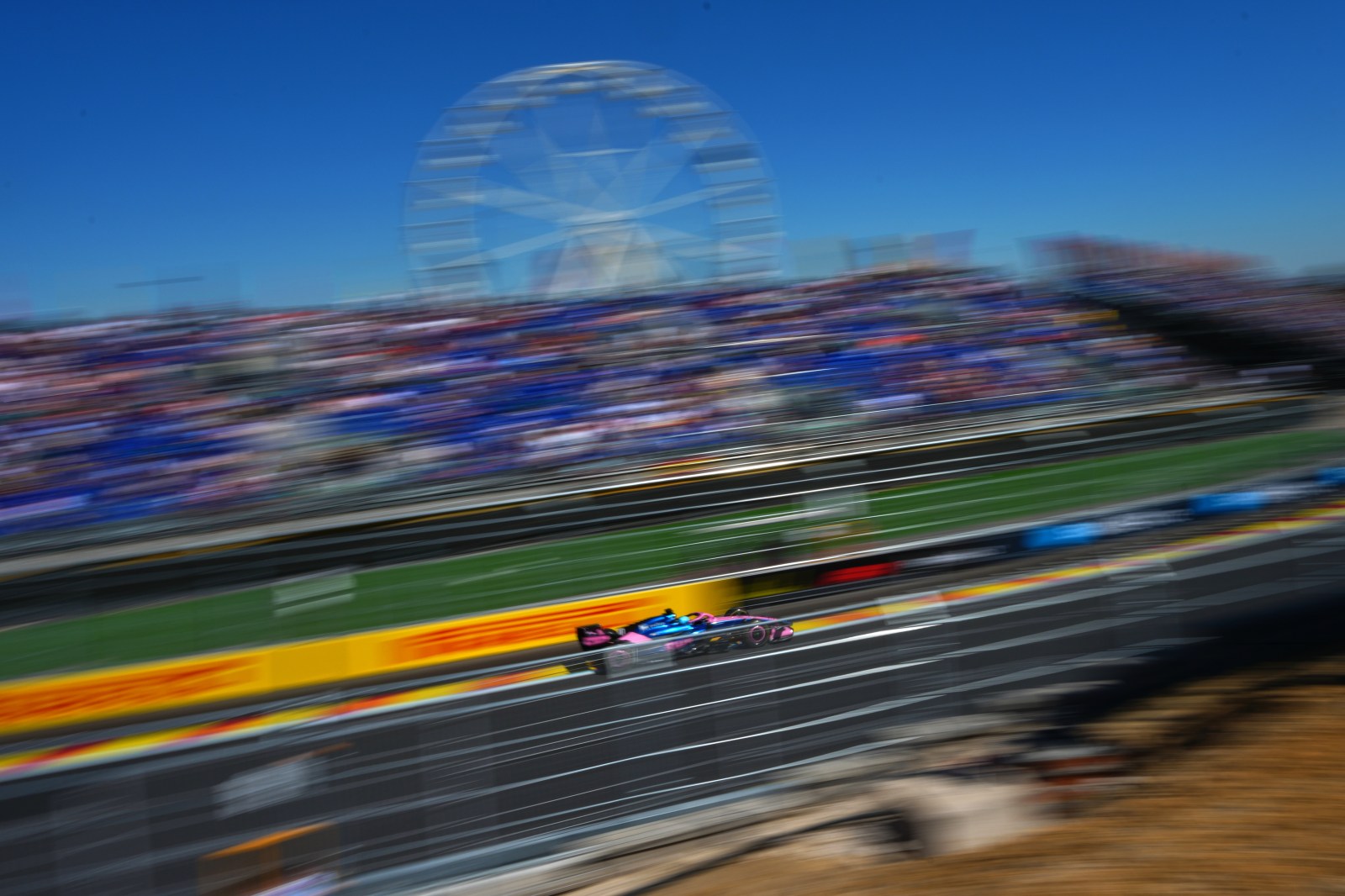
Kimi Antonelli won Madrid's inaugural Formula 1 race on September 13, with Max Verstappen finishing second after Associated Press reported Red Bull lacked the pace to challenge for victory. The 5.4-kilometer Madring circuit, built around Madrid's IFEMA exhibition complex, drew 117,000 fans but delivered little on-track action—a processional race shaped by pit strategy timing and tire management rather than genuine passing opportunities.
Lando Norris, who started on pole position, finished third after missing a pit stop during a Virtual Safety Car on lap 16. Sky Sports reported Norris was the only driver on the grid denied a chance to pit under safety car conditions, a timing mishap that cost him the race. Antonelli admitted the win felt undeserved, telling reporters: "If I have to be realistic and honest, today we didn't deserve to win. Lando deserved to win today."
Circuit Design Eliminates Real Overtaking Chances
The Madring's energy-dense layout—filled with slow, continuous corners—allowed hybrid batteries to recharge faster than on traditional F1 circuits. Motorsport Week noted this design flaw rendered conventional passes nearly impossible. Drivers relied instead on pit strategy, tire degradation, and rivals' mistakes. The unusually long pit lane took about 25 seconds under normal racing but saved drivers roughly 12 seconds during safety car periods—a massive strategic swing.
Sky Sports analysts called the race a "processional parade" where track design and minimal tire wear turned entertainment into a strategy-dependent snoozefest. The Guardian reported that drivers and team leaders demanded layout changes before the 2027 race to improve racing quality. High-speed sections and a banked turn earned praise for grip and distinctive features, but the overall package failed to produce wheel-to-wheel battles.
Verstappen's First-Lap Contact and Power Deployment Struggles
Max Verstappen defended his position after first-lap contact with Lewis Hamilton forced Verstappen onto the run-off area. Reuters reported Verstappen said he avoided damage and would have faced a penalty otherwise. Red Bull's true pace problem emerged in qualifying: the car struggled to deploy power effectively in the final sector. Verstappen stated he made steady progress through Q1, Q2, and Q3 without leaving much lap time unused, but the power deficit proved insurmountable.
Despite finishing second, Verstappen praised the new asphalt's grip while noting some sections were already too bumpy for a brand-new circuit. The Race highlighted that uncertainty over hard tire durability left teams weighing two-stop versus three-stop strategies, adding another layer of tactical complexity. Red Bull's Saturday pace simply lacked the punch to challenge Norris and Antonelli on race day.
Madrid's Venue Success Overshadowed by Racing Concerns
The Madring attracted 353,000 cumulative weekend spectators and generated over €34 million in pre-sale ticket revenue alone. Formula1.com reported seamless public transport, efficient use of existing IFEMA facilities, and sold-out crowds delivered an operational triumph for organizers. About 60 percent of attendees were Spanish, with 40 percent traveling from abroad—UK, US, and Mexico leading international visitors.
Yet construction delays from severe weather left the venue with a work-in-progress appearance, and the oversized pit lane created logistical headaches for teams and event staff. Motorsport.com noted that while infrastructure and grip earned universal praise, the circuit's racing spectacle fell far short. Organizers face immediate pressure from drivers and the FIA to re-engineer Turn 5 and pit lane bottlenecks before 2027 to avoid repeating this year's processional bore.
Sentiment
Mostly NegativeNEGATIVENEUTRALPOSITIVE
Publishers
28
Articles
61
Reach
89
A
AnonymousAuthor


