New U.S. Cuba Sanctions
U.S. Imposes New Sanctions Against Cuban ICAP Leadership and State-Owned Entities
Key Points
ICAP leadership targeted in addition to ICAP as an organization: the sanctions named ICAP President Fernando Gonzalez Llort, First Vice-President Noemi Rabaza Fernandez, and North America Director Leima Martinez Freire, expanding the crackdown on ICAP’s internal leadership.
Nine additional Cuban entities were designated beyond ICAP leadership, spanning metals and mining, construction, and import–export sectors; this includes the Ministry of Construction and another Cuban government entity supplying construction materials.
A Washington, D.C. cafe event with Cuba’s Ambassador to the U.S., Lianys Torres Rivera, was cited by Rubio as evidence of renewed regime outreach tied to Fidel Castro’s legacy, illustrating on-the-ground activity associated with the network the designations aim to disrupt.
The sanctions are framed within a broader context of an ongoing oil blockade tied to Venezuela’s Maduro regime, which has contributed to Cuba’s economic crisis and heightened pressure on the island.
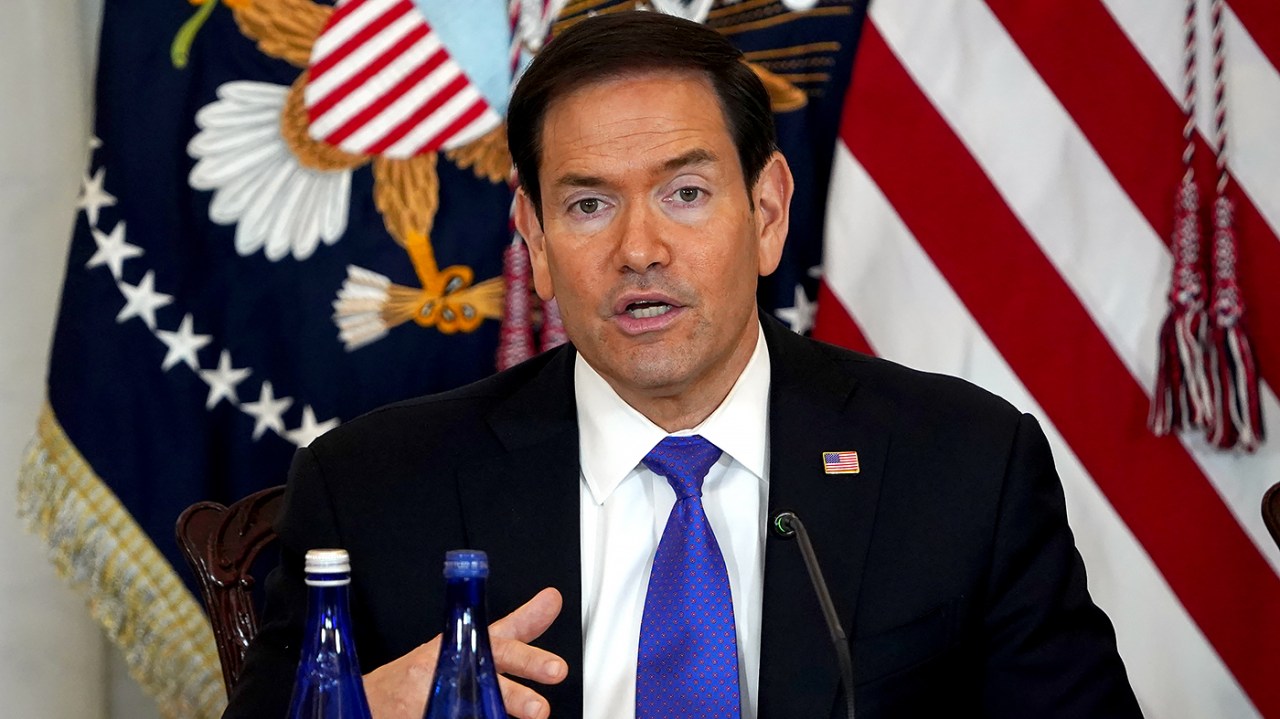
The Trump administration has expanded sanctions on Cuba, targeting ICAP leadership and nine state-owned companies in mining, metals, and construction The Hill. Secretary of State Marco Rubio accused ICAP of running a subversive network that identifies and radicalizes Americans under the cover of cultural exchange CubaTradecouncil. The new designations follow an executive order issued in May and aim to cut funding for the regime CryptoBriefing.
The sanctions target ICAP President Fernando Gonzalez Llort, First Vice-President Noemi Rabaza Fernandez, and North America Director Leima Martinez Freire CiberCuba. They also hit nine Cuban entities including the Ministry of Construction and import-export companies. Officials say the regime uses these operations to fund repression and anti-American activities tied to Fidel Castro's 100th birthday The Hill.
ICAP's Alleged Role in U.S. Influence Operations
ICAP, a Cuban government agency, coordinates what U.S. officials call a subversive network operating in America CubaTradecouncil. The organization poses as a cultural and educational exchange program but actually identifies and radicalizes American citizens, Rubio stated. It operates under the guise of promoting understanding between nations while secretly cultivating anti-American sympathies among recruits.
A Washington, D.C. cafe event with Cuba's Ambassador to the U.S., Lianys Torres Rivera, showed the network's on-the-ground activity, Rubio said The Hill. He tied this outreach to Castro's legacy and argued it proved the regime was expanding its influence operations. The sanctions aim to disrupt this network by freezing assets and blocking Americans from doing business with designated individuals and entities.
Nine Cuban Companies Added to Blocked Entities List
The U.S. Treasury and State departments added nine Cuban entities to the Specially Designated Nationals and Blocked Persons list CiberCuba. These companies operate in metals, mining, construction, and import-export sectors. The Ministry of Construction and other government suppliers were included in the designations.
The sanctions prohibit all Americans from engaging with these entities, effective immediately TribliveNews. Violators face severe penalties. The measure tightens enforcement of existing rules banning U.S. citizens from doing business with Cuban government-owned or affiliated companies. Treasury and State coordinated the action, showing a unified White House stance on isolating Havana economically.
Compounding Cuba's Economic Crisis Amid Oil Blockade
Cuba faces severe economic hardship from an oil blockade linked to Venezuela's Nicolás Maduro regime CryptoBriefing. These new sanctions target the state-controlled sectors that generate revenue for Havana. By blocking access to mining, metals, and construction income, the Trump administration aims to deepen financial pressure on the communist government.
The administration has also increased detentions of American citizens returning from Cuba TribliveNews. Officials frame these detentions as enforcing travel restrictions and deterring engagement with government-linked entities. Combined with economic sanctions, the strategy seeks to raise the cost of all exchanges with the island, isolating Cuba further from the United States.
Broader Context: Trump's Escalating Pressure Campaign
The Cuba sanctions fit into Trump's larger strategy of economic isolation and military posturing toward Havana The Hill. An executive order issued in May gave the administration new authority to impose blocking sanctions on foreign entities operating in Cuba's key sectors CryptoBriefing. Officials have also warned of possible military options in the region.
The Trump administration views Cuba as a regime that actively works against U.S. interests through subversive networks and support for anti-American activities CubaTradecouncil. By targeting ICAP leadership specifically, the White House signals intent to dismantle what it sees as Havana's most effective tool for influence operations in America. The coordinated action across Treasury and State departments underscores the sustained commitment to this approach.
Sentiment
Mostly NegativePublishers
24
Articles
154
Reach
178


