Drumcree Parade Ruling
High Court Quashes Parades Commission Restriction on Orange Order Drumcree March
Anonymous
Key Points
1
In 1998, the decision to bar the Orange Order from Garvaghy Road led to widespread disorder, with about 1,000 police and 1,000 soldiers deployed to enforce the outcome.
2
Garvaghy Road is described as the end leg of the Orange Order's annual Drumcree march from Drumcree Church, highlighting the route's particular sensitivity.
3
The High Court judge, Mr Justice McAlinden, stated he had 'no hesitation' in quashing this year's parity determination, signaling a strong judicial stance on the matter.
4
The case is framed as reflecting a pattern in the Parades Commission's decisions since 1998, underscoring the long-standing controversy surrounding Drumcree and Garvaghy Road.
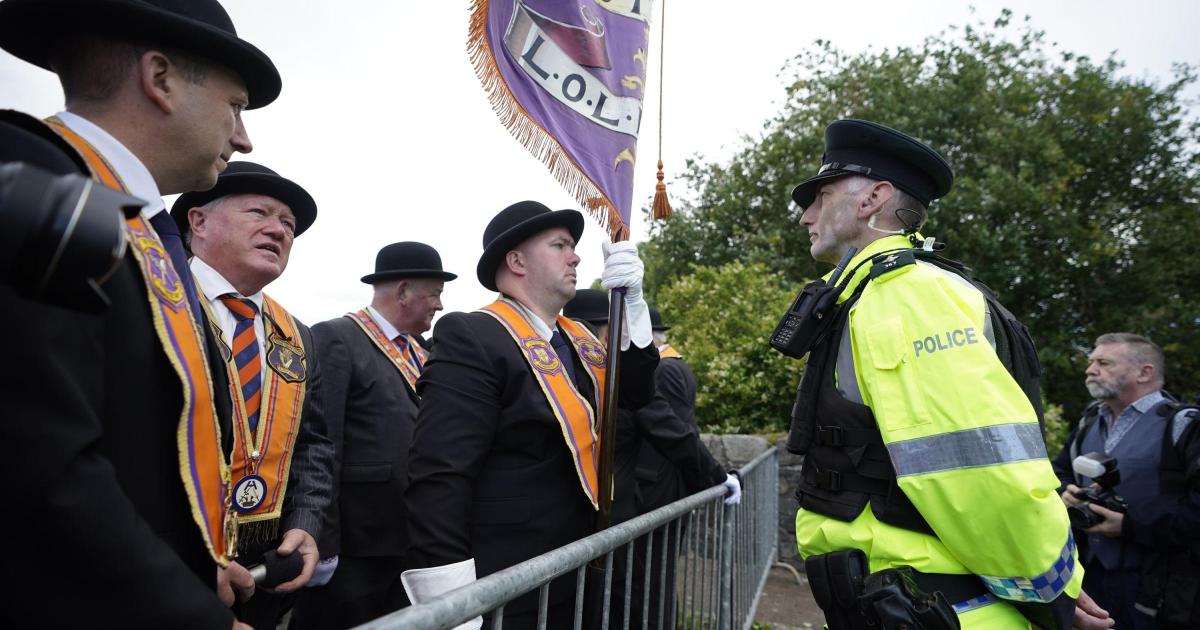
A High Court judge in Belfast has quashed the Parades Commission's decision to restrict the Orange Order's annual Drumcree parade along Garvaghy Road Border Telegraph. Mr Justice McAlinden said he had "no hesitation" in overturning the restriction, ordering the commission to pay legal costs. The ruling comes after a Portadown Orangeman challenged the ban, which has been in place since 1998.
The decision signals serious flaws in the Parades Commission's procedures and lacks public confidence Herford Times. Any future parade along Garvaghy Road will now require a completely new application and fresh assessment from the commission. The case involves senior politicians, including DUP MP Carla Lockhart and TUV MP Jim Allister, reflecting the deep controversy surrounding this sensitive march route UK Head Topics.
A 26-Year Standoff Over One Street
In 1998, the Parades Commission first banned the Orange Order from marching down Garvaghy Road Farming Life. That decision sparked massive disorder. Police deployed about 1,000 officers and soldiers positioned 1,000 troops to enforce the ban. The street became the final leg of the annual Drumcree march route from Drumcree Church, making it symbolically and politically explosive Border Telegraph.
For over two decades, the restriction remained in place. Residents and community groups opposed the march. But the court found the commission failed to properly justify why the ban should stay or consider community voices fairly UK Head Topics.
Judge Finds Serious Flaws in Commission's Reasoning
Mr Justice McAlinden ruled the Parades Commission made procedural errors and failed to explain its decision properly Border Telegraph. Lawyers argued the commission ignored that residents refused to attend talks about the parade. The judge found the commission's determination lacked legal foundation. He ordered it quashed before a full hearing even occurred Hereford Times.
The ruling shows courts will overturn administrative decisions when procedures are sloppy or poorly reasoned UK Head Topics. A lack of public confidence in the Parades Commission's processes was central to the judge's decision. The commission was also ordered to pay the challenger's legal costs Farming Life.
What Happens to the Drumcree Parade Now
The Orange Order cannot simply resume marching down Garvaghy Road immediately Border Telegraph. Any future parade requires a fresh application to the Parades Commission. The commission must then carry out a proper, legally sound assessment from scratch Hereford Times. This gives residents and community groups a chance to have their objections heard in a new process.
The case reflects a broader pattern in Parades Commission decisions stretching back to 1998 UK Head Topics. Senior politicians watched closely. The ruling underscores that even long-standing administrative decisions can be overturned if the legal reasoning crumbles Farming Life.
Sentiment
Mostly NegativeNEGATIVENEUTRALPOSITIVE
Publishers
12
Articles
42
Reach
54
A
AnonymousAuthor