Escalating US-China Geopolitical Standoff
China Rejects US Iran Sanctions as Diplomatic Rift Over Oil Trade Deepens
Key Points
67 commercial vessels redirected, three disabled, and two boarded by US Central Command amid the Hormuz standoff.
"You are either with us, or against us," Treasury Secretary Scott Bessent said, signaling a plan to unveil a Monday press conference detailing a sweeping, coordinated economic isolation against Iran.
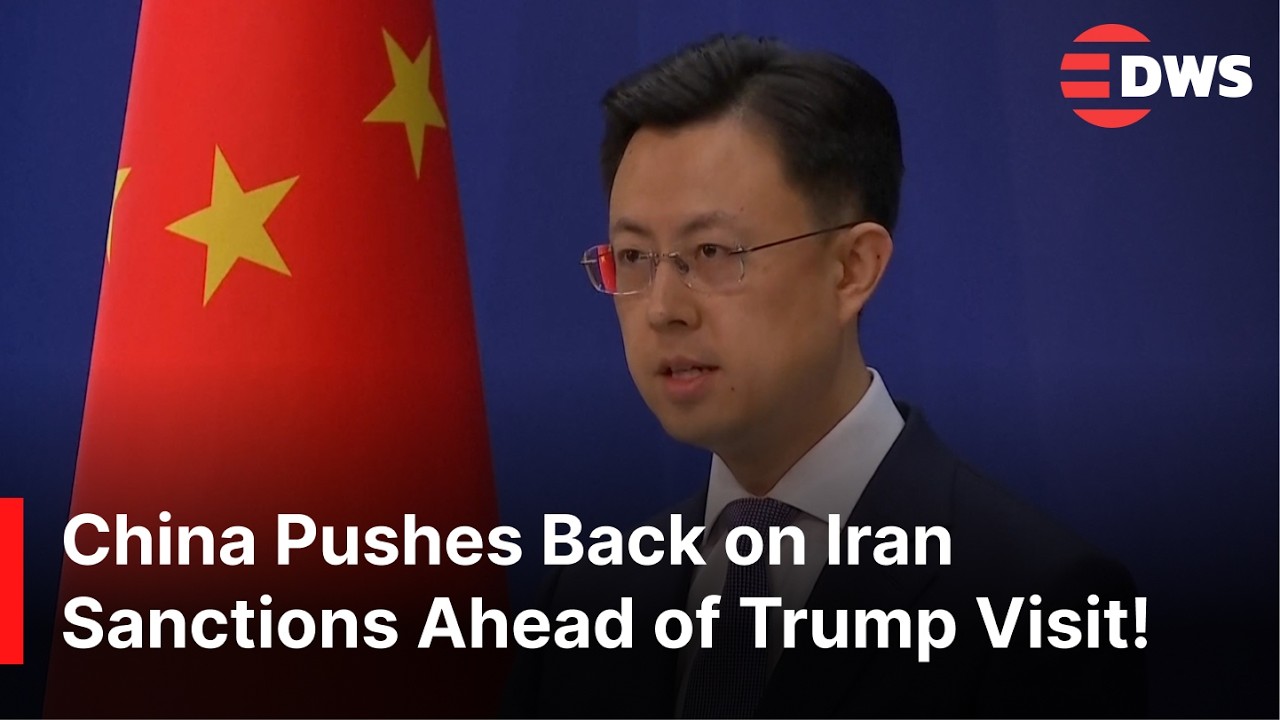
China’s Foreign Ministry spokesperson Lin Jian condemned the US push as illegal unilateral sanctions not sanctioned by the UN Security Council, urging all parties to resolve issues through political and diplomatic means.
China accounts for over 80% of Iran's seaborne crude oil exports, underscoring Beijing's pivotal role in Tehran’s oil trade amid the US pressure.
Washington reportedly intends to force foreign institutions to choose between conducting business with the United States or remaining engaged in Iranian commerce.
China rejected US sanctions on Iran as illegal under international law, deepening a diplomatic rift between Washington and Beijing Kentucky.com. Treasury Secretary Scott Bessent framed the sanctions as a coordinated "one-two punch"—combining economic pressure with a naval blockade to isolate Tehran from global markets Kentucky.com. The strategy aims to force countries and institutions to choose between trading with the United States or doing business with Iran.
US Escalates Economic Isolation Against Tehran
The Trump administration is pursuing what it calls the toughest-ever sanctions regime against Iran. Treasury Secretary Scott Bessent stated plainly: "You are either with us, or against us," signaling plans to unveil sweeping details at a Monday press conference Kentucky.com. Washington intends to force foreign institutions to choose between access to US markets or Iranian commerce.
The naval campaign is already in motion. US Central Command has redirected 67 commercial vessels, disabled three, and boarded two near the Strait of Hormuz Mahoning Matters. These actions aim to choke off Iran's oil exports and pressure its trading partners to abandon Tehran.
China's Stake in Iran's Oil Trade
China accounts for over 80 percent of Iran's seaborne crude oil exports, making Beijing's role critical to Tehran's survival News Observer. The US strategy directly targets this lifeline by pressuring Chinese institutions and companies to abandon Iranian business. This threat explains Beijing's swift diplomatic response against what it views as illegal coercion.
China's Foreign Ministry spokesperson Lin Jian condemned the sanctions, calling them "unilateral" measures not approved by the UN Security Council Fresno Bee. He urged all parties to resolve disputes through "political and diplomatic means" rather than economic warfare.
Iran and Allies Warn of Global Consequences
Tehran and its supporters are pushing back hard, labeling US measures as "economic terrorism" Island Packet. They warn that escalating sanctions will disrupt global oil markets and harm innocent countries caught in the crossfire. Iran has signaled it may retaliate against the blockade through military and economic countermeasures.
President Trump has signaled severe penalties for any nation aiding Iran, intensifying US-China confrontation over Tehran policy. The standoff reflects a broader geopolitical clash: Washington seeks total Iranian isolation, while China and Russia resist what they see as illegal unilateral enforcement.
Sentiment
Mostly NegativePublishers
16
Articles
52
Reach
68