Online Defamation Campaign Reported
Patrick Clancy Reports Online Defamation to Police Following Massachusetts Mistrial
Anonymous
Trending on XMinnesota gun law gaps after mass shooter permit
Key Points
1
Cooper said Patrick Clancy wants to move beyond the online attacks so he can preserve the memories of Cora, 5, Dawson, 3, and Callan, 8 months, while supporting other women facing perinatal mental-health challenges.
2
The conspiracy theories intensified after social-media users took evidence and testimony out of context, including the defense’s argument that police conducted a “lousy investigation,” and used it to suggest Patrick was responsible for the deaths.
3
Patrick, who has since remarried, testified as the prosecution’s first witness during the five-week trial; Cooper’s statement came shortly after the mistrial and followed an earlier warning placing influencers and others “on notice” about possible legal action.
4
The mistrial was declared by Judge William Sullivan after jurors returned for a third time and said they remained deadlocked.
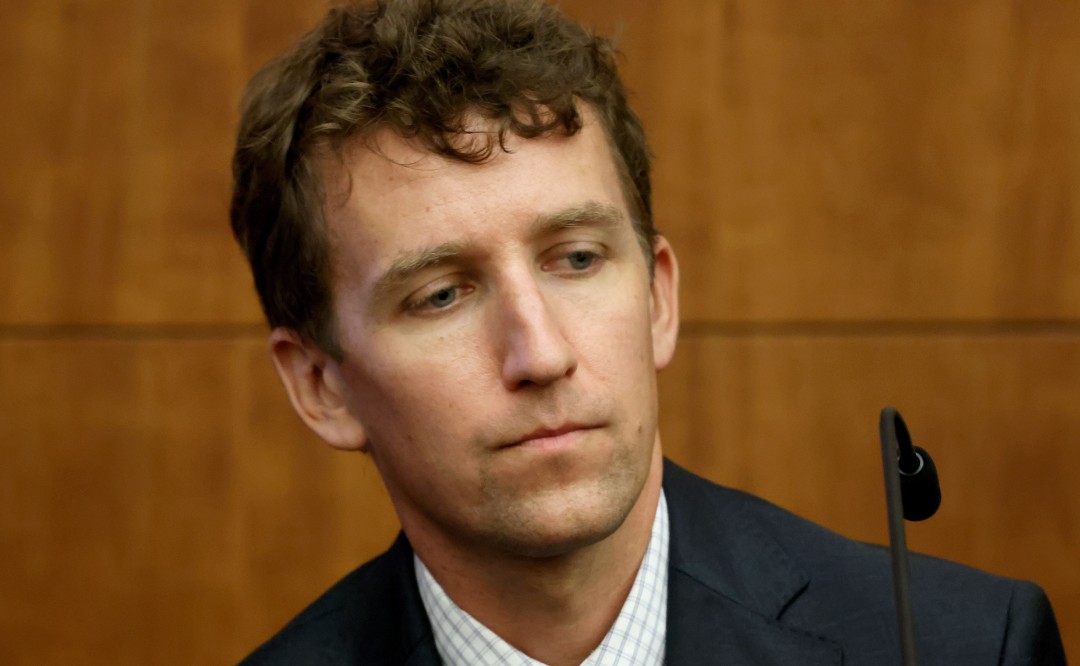
Patrick Clancy, the Massachusetts father whose three children died in 2023, is taking legal action against online conspiracy theorists spreading false claims that he was involved in their deaths. CBC reported that Clancy's attorney, Howard Cooper, called the allegations "baseless and defamatory" and warned influencers and social-media users they would face legal consequences. The statement came after a mistrial in his ex-wife Lindsay Clancy's murder case, when jurors failed to reach a verdict after five weeks of testimony.
Mistrial Leaves Case Unresolved, Conspiracy Theories Explode
Judge William Sullivan declared a mistrial after jurors returned three times saying they could not agree on a verdict in Lindsay Clancy's case. Yahoo News noted that Lindsay Clancy, the children's mother, has admitted to strangling Cora (5), Dawson (3), and Callan (8 months), but her defense argued postpartum psychosis prevented her from understanding her actions. The prosecution has not yet announced whether it will retry the case.
The mistrial decision left a vacuum. Online users and influencers filled it with conspiracy theories, twisting trial evidence and testimony out of context. WKOW reported that social-media posts seized on the defense's argument that police conducted a "lousy investigation" and weaponized it to suggest Patrick was responsible for the deaths.
Patrick Clancy's Attorney Warns of Legal Retaliation
Cooper's statement placed conspiracy theorists "on notice" of possible legal action and announced that law enforcement had been notified of the online campaign. Perez Hilton reported that Cooper promised "there will be consequences" for those spreading false information. The threats target influencers, social-media commentators, and others amplifying the baseless claims across platforms.
Cooper said the online attacks had escalated beyond reputation damage. They now threaten Patrick's livelihood and personal safety. The attorney emphasized that Patrick wants to move forward, preserve the memories of his three children, and support other women facing perinatal mental-health challenges.
How Unresolved Trials Fuel Online Defamation Campaigns
Public accusations spread quickly on social media, affecting reputation and safety long before any courtroom verdict. Newser described how conspiracy theories exploit gaps left by legal uncertainty—in this case, a mistrial that resolved nothing. Without a conviction or acquittal, speculation fills the void and incentivizes online commentators to fuel engagement with increasingly wild claims.
The Clancy case shows how tragedy-driven media attention can become weaponized. Influencers have little incentive to verify facts when false claims drive engagement and outrage. Patrick Clancy's legal warning signals a shift: victims of online defamation are fighting back, using courts and law enforcement to hold conspiracy theorists accountable.
Sentiment
Mostly NegativeNEGATIVENEUTRALPOSITIVE
Publishers
22
Articles
66
Reach
88
A
AnonymousAuthor


