Ben Gurion Flight Disruptions
US Military Aircraft Crowd Ben Gurion, Threatening Tens of Thousands of Summer Flights
Anonymous
Key Points
1
The number of U.S. tanker aircraft at Ben Gurion has shifted from roughly 75 to about 20 remaining, with four more returned recently, as Washington seeks to add additional aircraft rather than complete withdrawal.
2
Israeli officials warn that if the U.S. fleet remains at the airport, up to 10 commercial flights per day could be canceled, potentially affecting about 50,000 passenger bookings by the end of July.
3
Seasonal traffic projections show Ben Gurion handling roughly 80,000 passengers a day by the end of the month, with a peak near 94,000 on July 30, underscoring the impact of space constraints during peak travel.
4
There is variance in reported counts of the U.S. tanker fleet at the airport (74 vs. about 75), reflecting different outlet tallies amid the unfolding dispute over space and operations.
5
Relocation of some aircraft to Israeli Air Force bases is being discussed as a potential workaround to free space for civilian flights, with the Ministry of Transport appearing to assess whether such moves can proceed without undermining military needs.
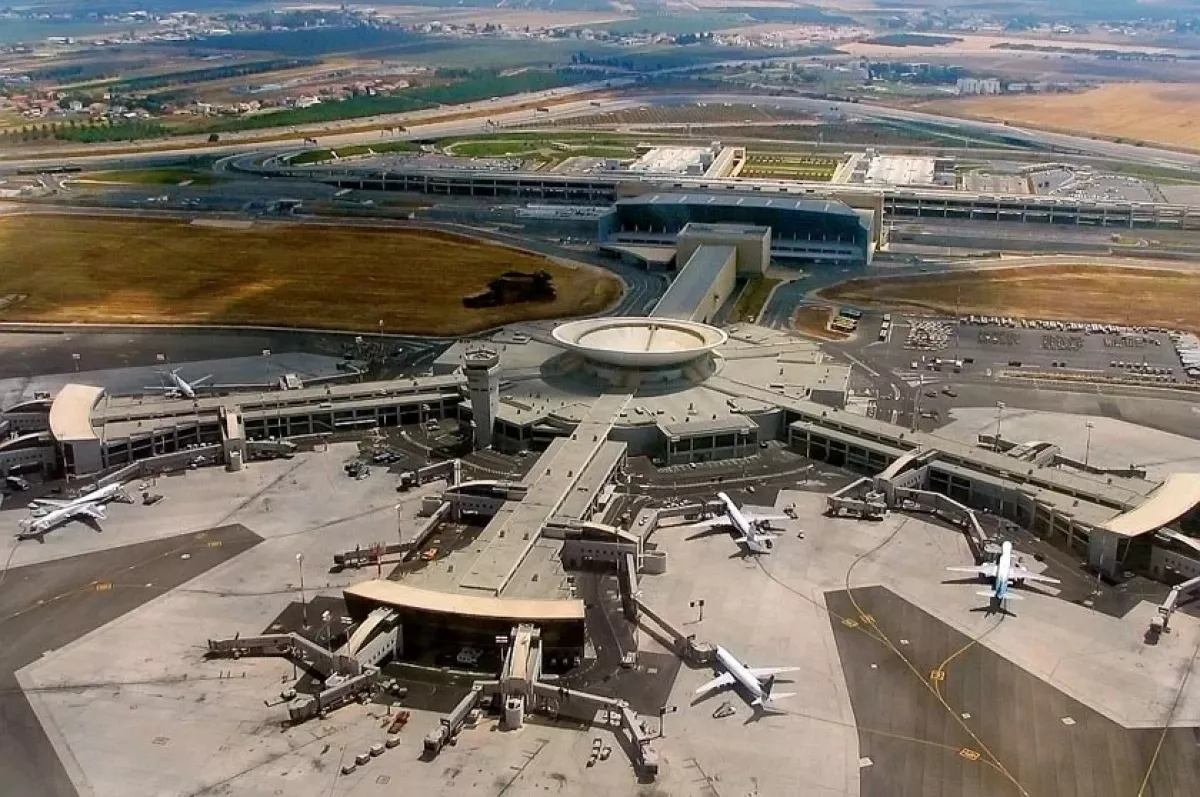
The United States has frozen its plan to remove aerial refueling tankers from Ben Gurion Airport, threatening to cancel up to 10 commercial flights per day during peak summer travel, according to The Jerusalem Post. Israeli authorities warn the standoff could wipe out roughly 50,000 passenger bookings by the end of July.
The freeze came after renewed tensions with Iran prompted Washington to halt withdrawals and even return four additional aircraft to the airport, according to Ynet News. About 20 U.S. tankers and cargo planes remain at Ben Gurion, down from a peak of roughly 75, but the numbers are moving in the wrong direction for Israeli aviation officials.
Iran Tensions Trigger U.S. Tanker Freeze at Ben Gurion
Washington and Jerusalem had reached an earlier understanding that the U.S. would clear its tankers from Ben Gurion to free up civilian apron space, according to Calcalist. That deal has now stalled. The U.S. military is refusing to continue the pullout, and four aircraft were recently sent back to the airport rather than relocated elsewhere.
Caliber reported that the freeze is directly tied to the renewed Iran crisis, with the U.S. citing operational needs as justification for keeping the fleet at Israel's main commercial hub. The tankers refuel military aircraft in the region, making Ben Gurion a key logistics node during periods of heightened tension.
50,000 Summer Tickets at Risk as Airport Space Runs Out
The Israel Airports Authority CEO, Sharon Kedmi, warned that up to 10 commercial flights per day could be canceled if U.S. aircraft keep taking up space, according to The Jerusalem Post. That adds up to roughly 50,000 affected passenger bookings by July 31.
The timing is brutal for travelers. Ben Gurion is expected to handle around 80,000 passengers per day by late July, with a single-day peak of about 94,000 on July 30, according to The Traveler. Any cuts to flight schedules during that window would cause major disruption across dozens of routes.
Israel Pushes to Move Tankers to Air Force Bases
Israeli officials are urging the U.S. to either resume the withdrawal plan or shift its aircraft to Israeli Air Force bases instead, according to Ynet News. Moving the tankers to military airfields would free up civilian apron space at Ben Gurion without forcing the U.S. to pull the planes out of the country entirely.
The Ministry of Transport is assessing whether such a relocation can work without undermining U.S. military needs, Calcalist reported. Negotiations between Washington and Jerusalem are ongoing, but no agreement has been reached as the peak summer season accelerates and daily cancellations loom.
A Pattern of Disruption That Has Plagued Ben Gurion All Year
This is not the first time U.S. military aircraft have strained Ben Gurion's capacity. The presence of roughly 75 tankers and cargo planes earlier this year already complicated civilian operations, according to Caliber. The partial withdrawal that followed brought the number down to about 20 — but that progress is now reversing.
The Traveler noted that the situation reflects a broader tension between Israel's role as a U.S. military logistics hub in the Middle East and its status as a major international aviation gateway. Until the two sides agree on a fix, passengers booking July flights to and from Tel Aviv face real uncertainty.
Sentiment
Mostly NegativeNEGATIVENEUTRALPOSITIVE
Publishers
12
Articles
3
Reach
15
A
AnonymousAuthor


